Saudi-Turkey-Pakistan defence pact reshapes Middle East security architecture
The Mecca Joint Defence Agreement establishes a NATO-style mutual defence clause among three major Sunni powers, signalling a shift away from US-centric security arrangements as Iran disrupts critical shipping lanes.
Strategic timing amid regional conflict
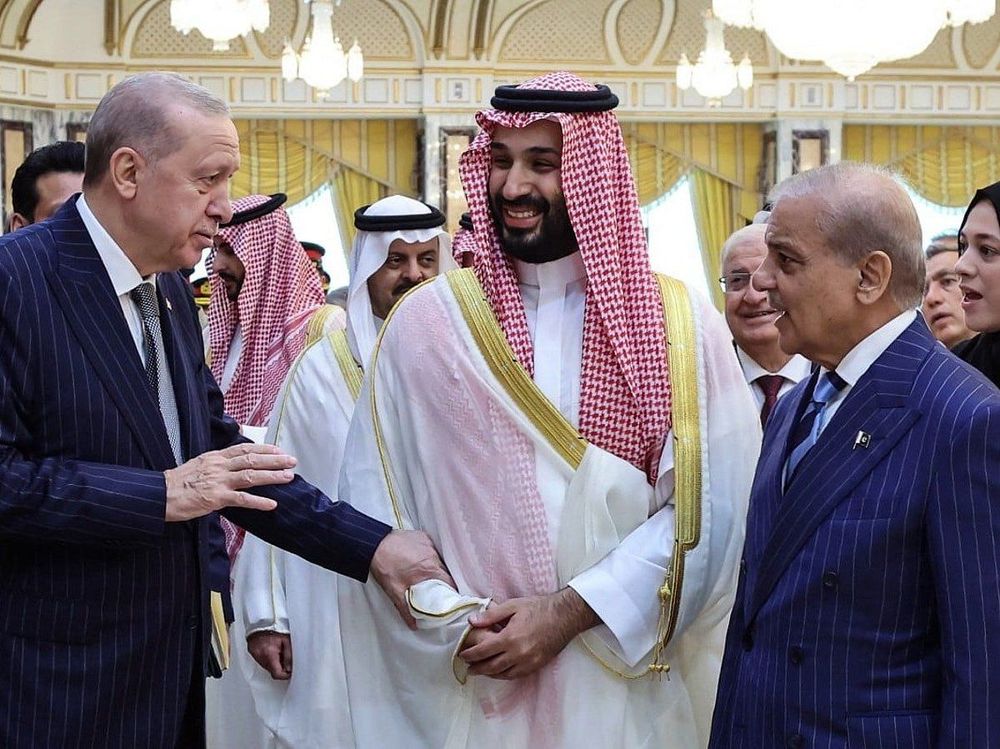
A trilateral defence agreement signed in Mecca on August 7, 2026, has created a new security alliance binding Saudi Arabia, Turkey and Pakistan under a mutual defence clause that treats an attack on one nation as an attack on all three.
The Mecca Joint Defence Agreement represents an expansion of the bilateral Strategic Mutual Defence Agreement that Saudi Arabia and Pakistan signed at Al-Yamamah Palace in Riyadh on September 17, 2025. The new pact now brings Turkey into this security framework, creating what analysts describe as a counterweight to Iranian influence and a message to Israel about regional power dynamics.
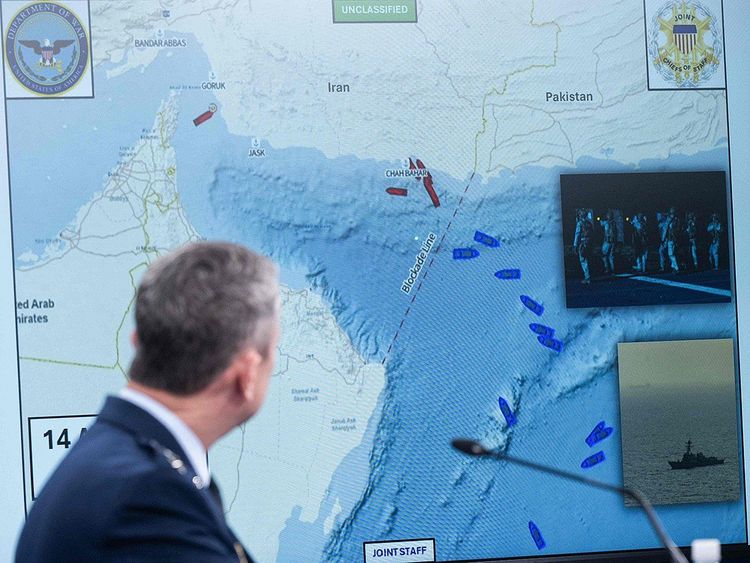
The agreement comes as the conflict that began on February 28, 2026, continues to reshape Middle East security calculations. Iran's closure of the Strait of Hormuz to normal commercial traffic on that date has drastically reduced vessel crossings from a baseline of 88 to 130 ships per day to approximately 10 vessels daily by July 2026. The strait carries roughly 25 per cent of the world's maritime crude oil and petroleum products trade, along with 19 per cent of global liquefied natural gas shipments, making its disruption a major economic concern.
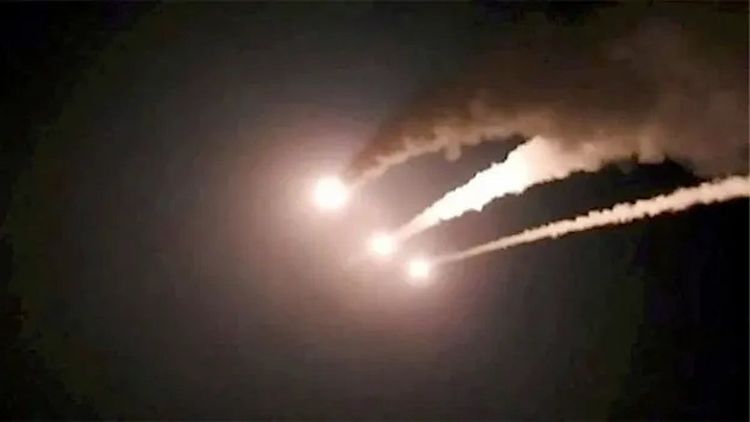
American military forces have struggled to intercept all drones and ballistic missiles fired by Iran and its proxies, despite maintaining numerous bases across the region. The Houthi militia continues to disrupt shipping in the Red Sea, compounding the challenges to maritime commerce.
Ali Shihabi, a political analyst close to the Saudi government, noted that the alliance demonstrates how American deterrence has weakened and that regional powers will increasingly need to manage the Iranian threat themselves.
Complementary capabilities
The three signatories bring distinct strengths to the partnership. Saudi Arabia provides substantial financial resources but has limited indigenous military-industrial capacity. Turkey possesses NATO's second-largest military force and advanced technology and manufacturing capabilities, though it faces financial constraints. Pakistan contributes significant military institutional depth and manpower, having provided training and technical assistance to Saudi forces since the 1970s.
By mid-2026, Pakistan had already deployed several thousand troops to Saudi Arabia, along with fighter aircraft, drones and air-defence systems, demonstrating concrete military cooperation predating the trilateral agreement. In 2023, Saudi Arabia agreed to purchase Turkish drones in what Ankara called its largest defence export contract, establishing defence industrial ties between Riyadh and Ankara.
Andreas Krieg, a lecturer in security at King's College London, described the three countries as unusually complementary, with Turkey needing markets and investment while Pakistan requires financing and industrial opportunities.
Political symbolism over military action
Despite the mutual defence clause, analysts doubt the alliance will result in Turkish or Pakistani military strikes against Iran. Pakistan has not attacked Iran despite its bilateral pact with Saudi Arabia signed last year. Both Turkey and Pakistan position themselves as regional stabilisers seeking political momentum for conflict resolution.
Asli Aydintasbas, a fellow at the Brookings Institution, wrote that Turkey and Pakistan will not fight Iran, viewing themselves instead as potential mediators who want to create political pressure for diplomatic solutions.
H.A. Hellyer of the Royal United Services Institute suggested that even without direct military confrontation, the pact sends a politically symbolic message to both Iran and Israel about shifting regional alignments.
Alternative to US-backed framework
The defence agreement consolidates three major American allies into a security architecture that explicitly rejects Israeli regional hegemony. This stands in contrast to the Abraham Accords, signed in September 2020, which normalised relations between Israel and the United Arab Emirates, Bahrain, Morocco and Sudan, with Kazakhstan joining in November 2025.
The United States has long sought to build on those accords to create a regional alliance integrating Israel. However, the new pact offers an alternative vision. Pakistan and Turkey have been vocal critics of Israeli actions, while Saudi Arabia has insisted it will not normalise relations with Israel unless a credible path to Palestinian statehood emerges.
Hellyer noted that Washington would have preferred a security architecture including Israel and remains keen for Saudi normalisation. The new alliance, he said, shows a desire to interrupt both Iranian hegemony and Israeli paramountcy in the region.
Saudi Arabia has experience with multilateral security arrangements, having maintained a mutual defence agreement with the six Gulf Cooperation Council countries since 2000. The kingdom's growing partnerships with Turkey, Egypt and Pakistan reflect its strategy of developing multiple layers of security rather than relying solely on American protection.