Putin, Xi and Iran's President Converge in Bishkek for SCO's 25th Anniversary Summit
Leaders from Russia, China, Iran, India and Pakistan gather in Kyrgyzstan for a two-day Shanghai Cooperation Organization summit amid ongoing wars and intensified US sanctions on Tehran.
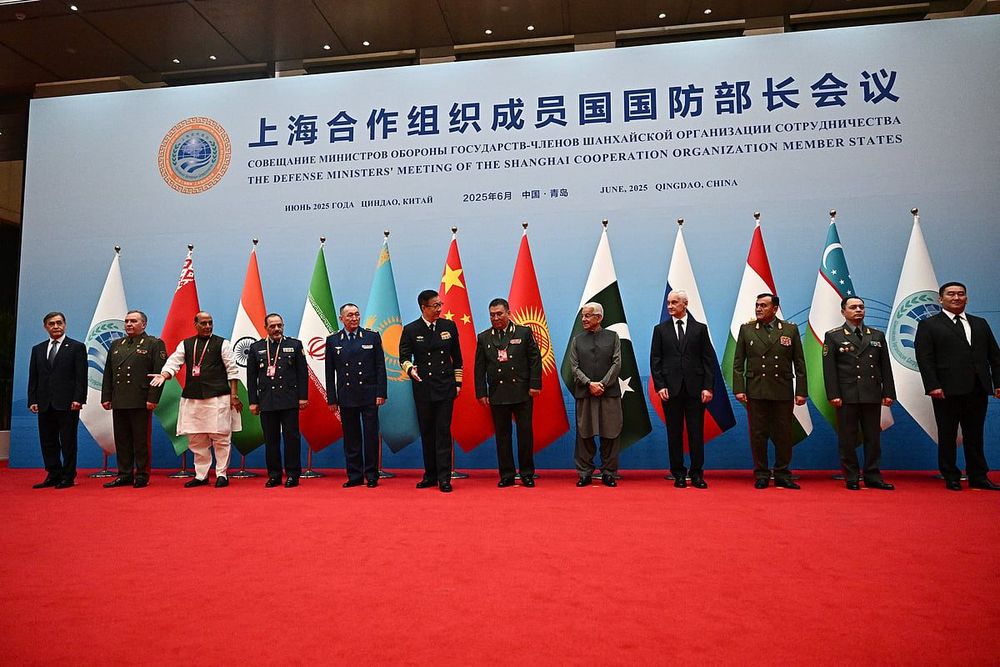
Putin, Xi and Iran's President Converge in Bishkek for SCO's 25th Anniversary Summit
Russian President Vladimir Putin and Chinese leader Xi Jinping arrived in Kyrgyzstan's capital Bishkek on Monday for a two-day summit marking the 25th anniversary of the Shanghai Cooperation Organization, a regional bloc that has evolved from border security concerns into a platform challenging Western influence.
The gathering brings together heads of state from the SCO's ten member nations, including Iran's President Masoud Pezeshkian, India's Narendra Modi and Pakistan's Shehbaz Sharif. Kyrgyz President Sadyr Japarov will chair the plenary session.
Founded on June 15, 2001, in Shanghai by China, Russia, Kazakhstan, Kyrgyzstan, Tajikistan and Uzbekistan, the organization grew from the Shanghai Five grouping established in 1996 to demilitarize borders and build military confidence following the Soviet Union's collapse. The bloc has since expanded significantly, with India and Pakistan joining as full members in 2017, Iran following in July 2023 after years as an observer, and Belarus becoming the tenth member in July 2024 as the first exclusively European state in the organization.
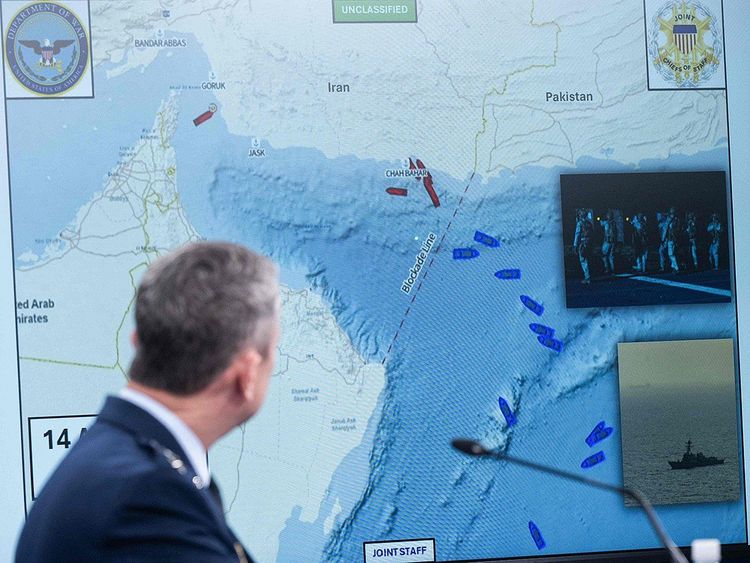
The summit takes place against a backdrop of multiple conflicts. Russia's invasion of Ukraine entered its fifth year in February, while a six-month war between the United States and Iran continues to reshape regional dynamics. Just days before the Bishkek meeting, on August 24, Washington announced sweeping secondary sanctions targeting five critical Iranian economic sectors: digital assets, technology, gold, aviation and shipping.
Strategic Alignment Against Western Pressure
Putin and Xi are expected to hold bilateral talks with Pezeshkian and other leaders, Kremlin spokesman Yuri Ushakov confirmed. The meeting comes shortly after CIA Director John Ratcliffe made a rare trip to Moscow, with US media speculating discussions may have covered Ukraine and Iran.
Russia and Iran, both heavily sanctioned by Western nations, have deepened military and economic cooperation throughout the Ukraine conflict. US President Donald Trump has warned Moscow and Beijing against arming Tehran. China purchases at least 90 percent of Iran's crude oil exports, making it Tehran's largest trading partner, while Russia's trade with Iran reached approximately 5.8 billion dollars in 2025.
The SCO now encompasses roughly 24 percent of the world's land area and 42 percent of its population, making it the largest regional organization by geographic scope and demographic reach. Beyond its ten members, the bloc includes 15 dialogue partners such as Turkey, Saudi Arabia, Qatar, the UAE, Egypt, Bahrain, Kuwait, Myanmar, Cambodia, Nepal, Sri Lanka, Armenia, Azerbaijan, Maldives and Laos, plus observer states Afghanistan and Mongolia.
Economic Focus, Political Tensions
While the SCO's founding declaration states the group is not an alliance directed against other states, Putin and Xi have repeatedly delivered anti-Western speeches at its summits. At last year's gathering, Putin blamed Western countries for provoking the Ukraine war, while Xi condemned what he termed acts of intimidation, referencing US-Chinese tensions.
The organization's Charter, signed in St. Petersburg in 2002 and effective since September 19, 2003, defines the SCO's purposes, principles and operational structures. Though historically focused on economic cooperation, the bloc now navigates real wars involving some members and trade conflicts stemming from US tariffs on Chinese and Indian goods.
The economic pressure on Iran has intensified with Washington's latest sanctions targeting trading partners in key sectors and threatening allies with penalties. China responded by saying it will firmly defend its interests. Iran, under sanctions since its 1979 Islamic revolution, insists it will not yield to economic coercion, though Pezeshkian has acknowledged the country faces economic difficulties.
Mohammad Hassan Najmi, an international relations expert, told AFP that Tehran believes membership and active participation in alliances like the SCO can help circumvent US and European sanctions. However, he noted that concrete benefits remain uncertain, as these alliances have rarely enabled Iran to resolve its difficulties during crises.
Despite claiming to represent a quarter of global GDP, the SCO faces internal challenges. Russia and China compete for influence in resource-rich Central Asia, a region crucial for transporting goods between Europe and Asia, while Beijing has at times experienced strained relations with both India and Pakistan.