Trump developing comprehensive Middle East strategy beyond Iran conflict
The US President is working on an ambitious post-war plan to reshape regional alliances, expand normalisation agreements and contain Tehran's influence across the Middle East.
Trump developing comprehensive Middle East strategy beyond Iran conflict
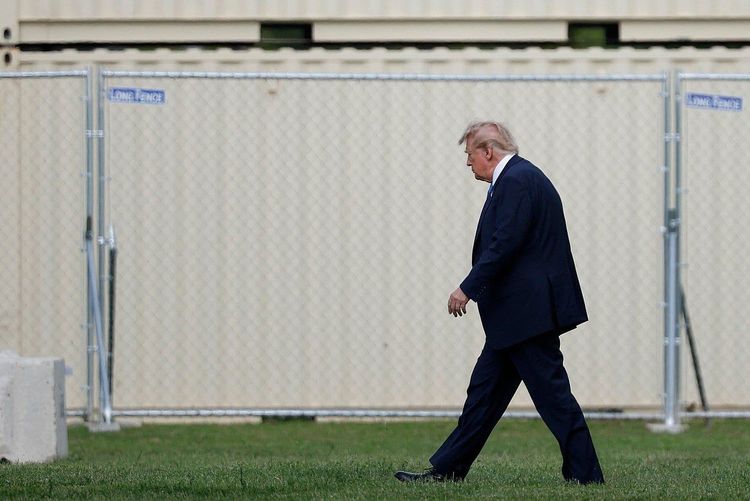
US President Donald Trump is developing what he has privately called "something much bigger" for the Middle East — an ambitious strategy that could fundamentally alter Washington's regional approach by forging new alignments against Iran and deepening ties between Israel and neighbouring states.
The plan, still being drafted, was discussed by Trump in two meetings with senior advisers in recent weeks, according to Axios. Two US officials and two other people familiar with the discussions said the emerging strategy is designed to guide American policy in the region after the Iran war concludes and through the final two years of Trump's presidency.
Yet a striking contradiction lies at the plan's core: Washington is already planning for a post-war Middle East even as the six-month conflict with Iran remains unresolved, with no clear endgame in sight.
Three pillars of the strategy
The emerging framework rests on three main elements, according to those briefed on the discussions.
The first seeks to bring US allies in the region into closer alignment to contain Iran, with Washington potentially serving as a security guarantor for participating states.
The second involves attempts to wind down several conflicts and tensions that followed the October 7, 2023 attacks — coordinated armed incursions from Gaza led by Hamas that killed approximately 1,200 people in Israel and resulted in more than 240 hostages being taken. This could include advancing the next phase of Trump's Gaza plan, negotiating security arrangements between Israel and Syria, and implementing the existing Israel-Lebanon agreement.
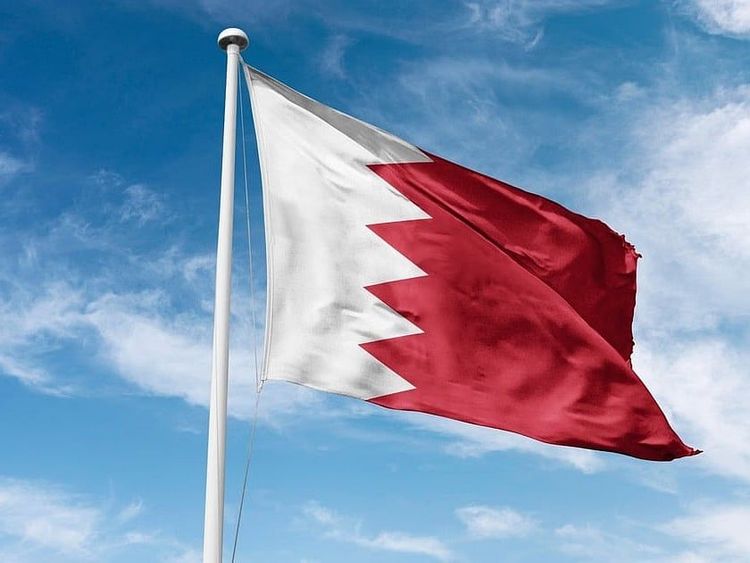
The third — and potentially most challenging — element is expanding the Abraham Accords and securing a normalisation agreement between Saudi Arabia and Israel. The Abraham Accords, first signed in September 2020 between Israel, the United Arab Emirates and Bahrain, represented the first formal normalisation of Arab-Israeli diplomatic relations since Israel's 1994 peace treaty with Jordan and the 1979 Egypt-Israel agreement. Morocco joined in December 2020, followed by Kazakhstan in November 2025.
Such an agreement with Saudi Arabia would represent a major diplomatic achievement for Trump and could become the centrepiece of his attempt to construct a new regional order after the Iran conflict.
The Saudi obstacle
Saudi-Israel normalisation has long been viewed as potentially transformative because it could fundamentally redraw political relationships across the Middle East. But it would also be among the hardest parts of Trump's emerging strategy to achieve.
Saudi Arabia has consistently stated that it will condition normalisation with Israel on an irreversible pathway to Palestinian statehood. Saudi Foreign Minister Prince Faisal bin Farhan stated in July 2025 that recognition is very much tied to the establishment of the Palestinian state and that normalisation cannot be discussed while conflict in Gaza continues. This position is rooted in the Arab Peace Initiative, first proposed by Saudi Arabia in 2002, which offers normalisation between Arab states and Israel in exchange for Israel's withdrawal from occupied territories and the establishment of a Palestinian state.
Riyadh has tied normalisation to progress towards Palestinian statehood, while Israeli opposition to such a pathway remains a formidable obstacle. The wider challenge is whether Washington can bring countries with differing interests and relationships with Tehran into the kind of regional alignment envisaged by the administration.
A source briefed on the discussions told Axios that it remained unclear whether all US allies would ultimately support the plan.
Iran at the centre
Despite the broader diplomatic ambitions, Iran appears to remain the organising principle of the strategy. The proposed regional alignment would seek to contain Tehran after a war that has already weakened parts of its military capability and placed its economy under intense pressure.
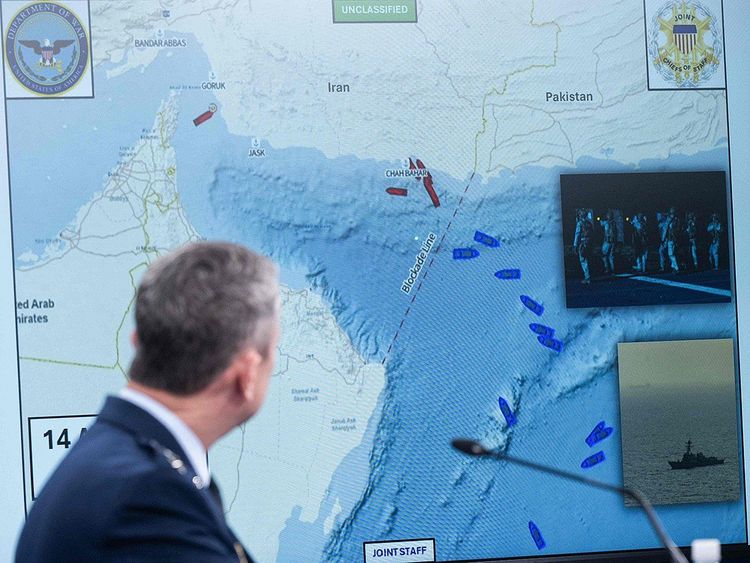
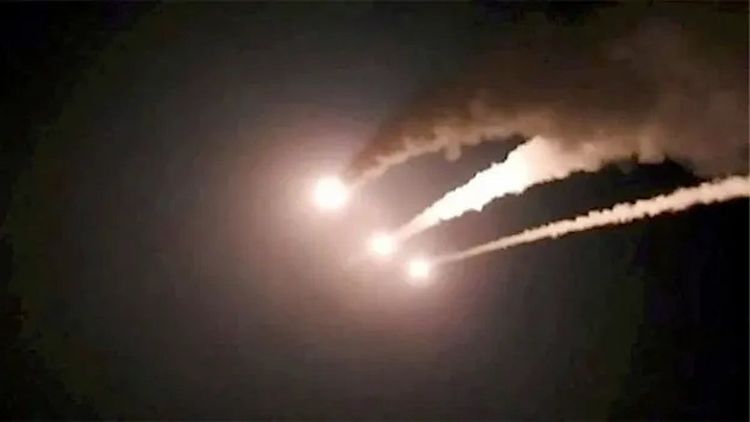
Yet Iran has continued to demonstrate that it can impose costs. The Strait of Hormuz remains a major point of confrontation — a critical maritime chokepoint through which approximately 20 to 25 per cent of global seaborne oil trade passes, with around 15 to 20 million barrels per day destined primarily for Asian markets including China, India, Japan and South Korea. Washington is trying to restore commercial shipping through the strait while Tehran seeks to retain leverage over the waterway.
Trump's administration has shifted repeatedly between military pressure, negotiations and economic warfare during the six-month conflict, leaving the path to a permanent settlement uncertain. That raises a fundamental question over the emerging post-war strategy: what happens if there is no clear end to the war?
Electoral timing could complicate rollout
Politics could also determine how quickly Trump can move. Israel holds elections on October 27 — the first time since 1988 that Israel has completed a full term without early elections, taking place during one of the most polarised periods in the country's history. US midterm elections follow in November.
The Trump administration hopes that the Israeli government emerging from the election will be willing and able to cooperate with Washington's regional strategy, according to Axios. But US officials involved in the discussions say Trump could press ahead regardless of the Israeli result — even if it produces another political stalemate.
An unfinished blueprint
For now, the strategy remains more ambition than blueprint. Officials are working on it both at the senior political level and across US government agencies, and a source familiar with the process said it could take several more weeks before the proposal is ready.
The underlying ambition, however, is already clear: rather than treating Iran, Gaza, Syria, Lebanon and Arab-Israeli normalisation as separate problems, Washington is considering whether they can be brought together as pieces of a single regional strategy.
Whether those pieces can actually be made to fit is another matter. Trump may already be looking beyond the Iran war. But before Washington can build a new Middle East order, it still has to find a way out of the war it is fighting now.