FARC dissidents confirm Colombian soldier serving in French Foreign Legion is alive
The Central General Staff rebel group says Jose Olger Melo Charry, kidnapped in Narino on August 6, is in good health and receiving care, as violence escalates across Colombia's conflict zones.
Colombian rebels say kidnapped French Foreign Legion soldier is alive
A Colombian soldier serving in France's elite Foreign Legion remains alive and in good health after being kidnapped by rebel forces in southwest Colombia, the insurgent group confirmed Sunday.
Jose Olger Melo Charry was seized on August 6 while traveling through Narino department, the Colombian Army announced Thursday. The Central General Staff (EMC), the main splinter faction of Colombia's former FARC guerrillas, claimed responsibility for the abduction in a statement released in French.
"He is alive, in perfect health, and has received adequate medical care and food," the group stated.
A police source confirmed the authenticity of the statement to AFP.
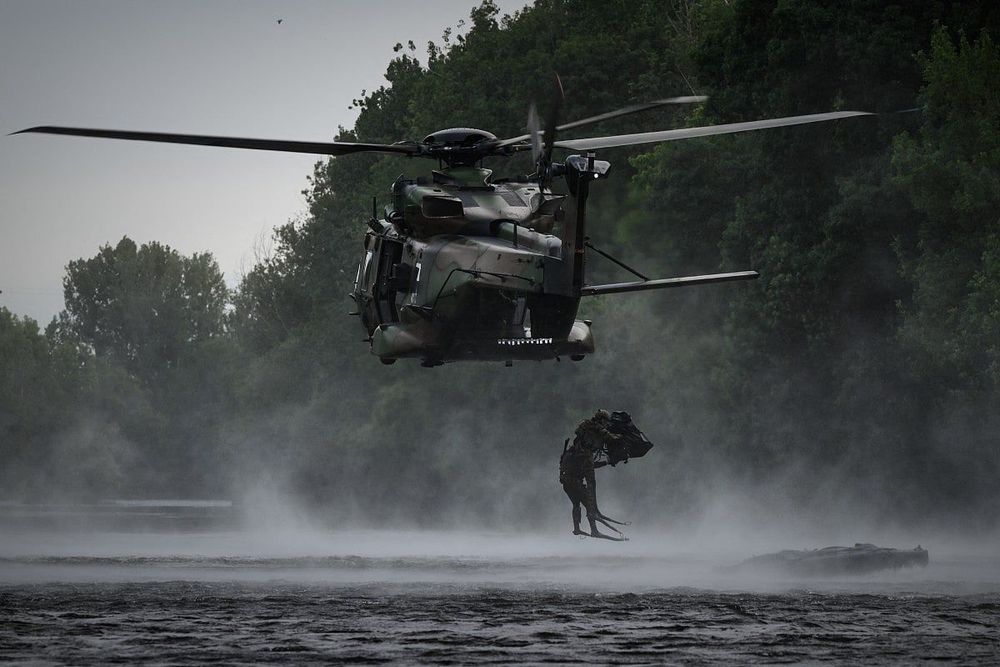
The French Ministry of Defense acknowledged that Melo Charry is a Colombian national serving in the Foreign Legion and said the case is being closely monitored. The Legion, an elite unit with approximately 8,000 members, accepts recruits from all nationalities between ages 17 and 40. Legionnaires can apply for French citizenship after three years of service.
Melo Charry, who joined the French army four years ago, had arrived in Colombia just one day before his capture while on leave. He was traveling with a woman who was also seized but released hours later, according to Colonel Mauricio Osorio, head of an anti-kidnapping division. The rebels took him after discovering his affiliation with the French Foreign Legion, the Colombian army said.
Fractured peace process
The EMC was founded by combatants who refused to sign the 2016 peace deal between the Colombian government and FARC guerrillas that led to the disarmament of most FARC fighters. The group is estimated to have more than 4,000 fighters operating across 209 of Colombia's 1,100 municipalities.
The organization's criminal operations are mainly based on drug trafficking revenues in southern Colombia, illegal mining, and extortion, with activities extending across Colombia and Venezuela.
The kidnapping represents a potential breach of commitments made during peace negotiations. In December 2023, the EMC signed an agreement stating they would no longer engage in kidnapping for ransom, marking the first major gain from peace talks between the Colombian government and the FARC breakaway faction.
However, the EMC fractured in 2024, with only a handful of its fronts remaining at peace negotiation tables, dealing a significant blow to the possibility of disarmament under President Petro's "Total Peace" policy. The 2016 FARC peace agreement led to the demobilization of the main FARC force, but about 30 dissident organizations emerged across 85 of Colombia's counties, operating with an intensity equivalent to pre-2016 levels.
Escalating violence in conflict zones
The abduction occurred in Narino department, one of Colombia's main coca cultivation centers and a zone of intensifying conflict. Violence has escalated in the region due to territorial disputes among illegal armed groups. In December 2025, a U.S. Embassy security alert warned that armed members placed explosive devices on the Bermudez Bridge and opened fire on Colombian security forces.
Colombia recorded 48 massacres and 229 fatalities from January to April 2026, with kidnappings, homicides, massacres, and extortions increasing on a year-to-year basis since 2024, according to official government security monitoring reports. Coca cultivation in departments including Narino, Cauca, and Norte de Santander increased by 50 percent from 2022 to 2023, fueling competition among armed groups for control of lucrative drug trafficking routes.