G20 finance ministers conclude Asheville meetings amid controversy over Russia's attendance
Two-day gathering in North Carolina saw European allies protest Russian Finance Minister Anton Siluanov's presence, while discussions addressed Iran sanctions, trade imbalances, and Middle East shipping disruptions.
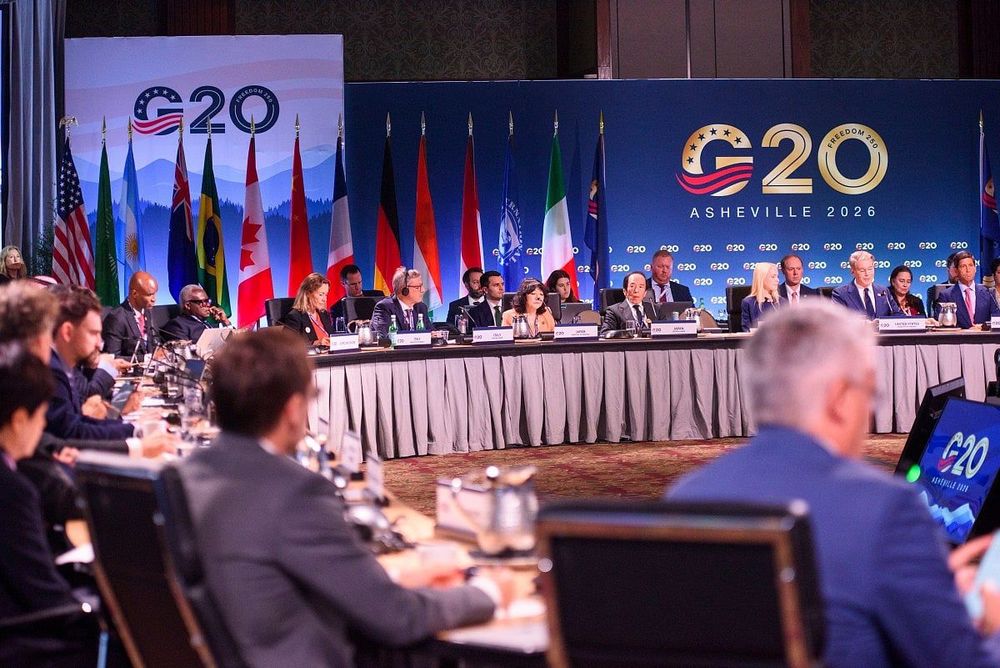
G20 finance ministers conclude Asheville meetings amid controversy over Russia's attendance
Finance leaders from the Group of 20 nations wrapped up meetings in Asheville, North Carolina on Tuesday with nearly all participants endorsing a chair's statement, despite tensions over Russia's participation at the US-hosted gathering.
The meetings, held in Asheville as part of the Trump Administration's commitment to revitalizing western North Carolina following Hurricane Helene's devastation in September 2024, brought together representatives from the world's major economies. The catastrophic storm killed more than 250 people and caused nearly $80 billion in damage across the region. The gathering was expected to deliver more than $20 million in economic value to Asheville and Buncombe County.
US Treasury Secretary Scott Bessent said the broad consensus on the chair's statement demonstrated that Russian Finance Minister Anton Siluanov's attendance had no meaningful impact on deliberations. Only China dissented from portions of the final document.
The presence of Siluanov, who has served as Russia's finance minister since 2011 and is considered one of President Vladimir Putin's most trusted cabinet members, marked his first in-person appearance at a G20 summit on American soil since Russia's invasion of Ukraine in February 2022. The attendance came after four consecutive G20 meetings without Russian ministerial participation.
European officials expressed frustration at what they viewed as normalizing relations with Moscow during an ongoing conflict. A traditional group photograph of participants on Monday excluded Siluanov following European protests. At a separate G20 innovation gathering in Chapel Hill, organizers took two group photos to allow European leaders to avoid appearing alongside Russian representatives.
"It created discomfort, no doubt about that," Canadian Finance Minister Francois-Philippe Champagne acknowledged when asked about the Russian minister's presence.
EU economy chief Valdis Dombrovskis told reporters it was inappropriate to normalize Russia's participation while Moscow wages war in Ukraine.
"We are discussing sensitive economic matters with representatives of a government that is waging an aggressive war and killing civilians on a daily basis," he said.
Bessent defended the decision to include Russia, noting that Siluanov faces no current US sanctions, though records show he was sanctioned by the United States in April 2022.
"I think it's very important to engage," Bessent said at a press conference. "I will point out that the finance minister who I met with is unsanctioned."
The tensions intensified on Tuesday when Germany accused Russia of attempting a hybrid attack involving a drone at Leipzig/Halle Airport. The explosive device, which carried military-grade explosives, was discovered near a Ukrainian cargo plane on August 4 and subsequently defused. Germany announced diplomatic countermeasures following intelligence investigations that concluded Russian state entities were responsible.
Strait of Hormuz and Iran sanctions
The chair's statement called for
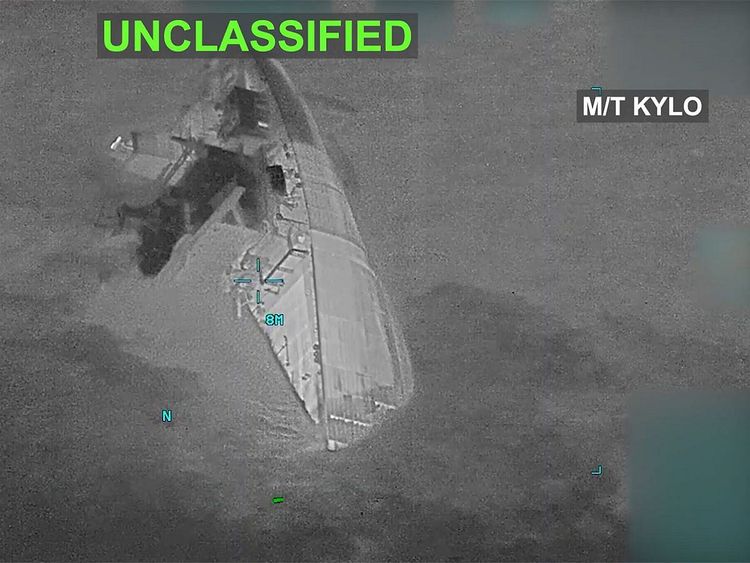
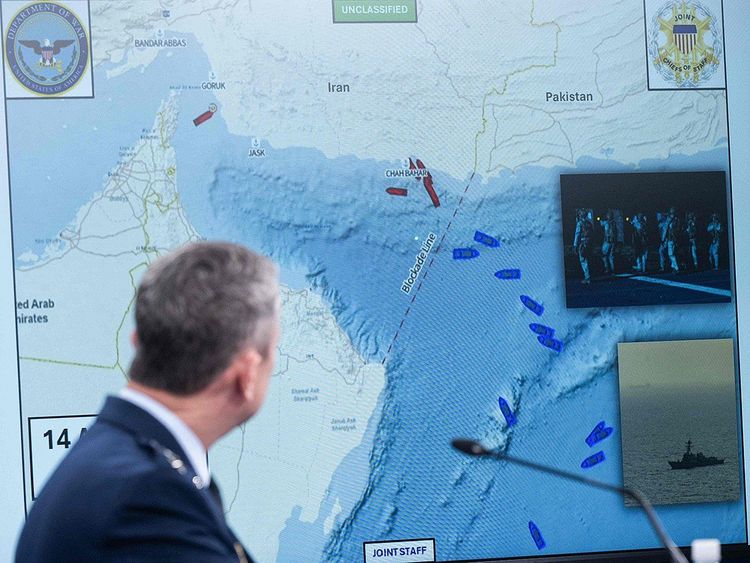
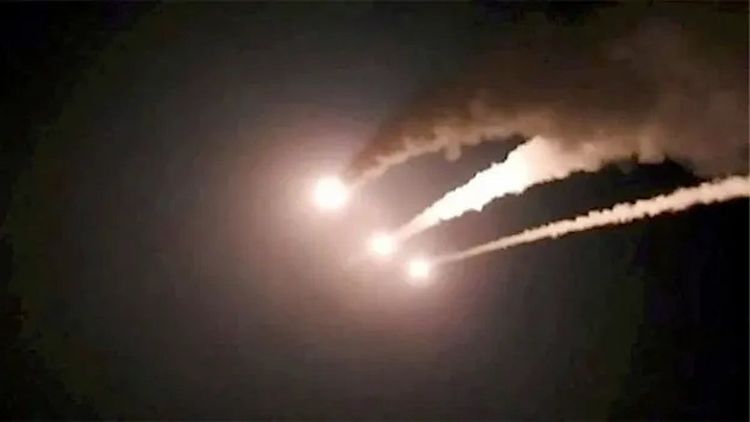
"free, safe, and predictable navigation through the Strait of Hormuz,"though China dissented from that section. The strategic waterway, through which roughly 25 percent of the world's maritime crude oil and petroleum products trade passed in 2025, along with approximately 19 percent of global liquefied natural gas shipments, has been largely blocked by Tehran since late February.
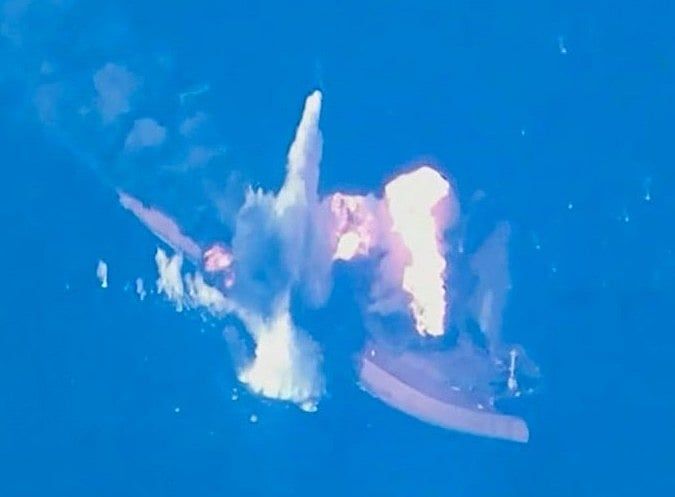
Iran closed the strait to normal commercial traffic on February 28, immediately following US-Israeli military strikes against Iranian targets. The operation involved nearly 900 strikes in 12 hours targeting missiles, air defenses, military infrastructure, and leadership. Vessel traffic through the strait has remained severely restricted, running at roughly 10 ships per day compared to a pre-crisis baseline of 88 to 130 vessels daily, according to data from late July.
Washington used the meetings to rally support for Iran sanctions and to address what officials characterized as unfair trade practices. The United States holds the rotating G20 presidency this year.
Trade imbalances and China
China also objected to language in the statement declaring that
"excessive and persistent imbalances pose risks and can generate economic distortions."The passage called on countries to eliminate non-market policies, echoing criticism of industrial overcapacity in the world's second-largest economy.
"We need to discuss and look at collective action, because global imbalances as they are today are not sustainable," Champagne said. "Everyone has to be at that table."
The G20, which comprises 19 nations plus the European Union and the African Union, represents approximately 85 percent of global gross domestic product. The organization was established following the 1997-1998 Asian financial crisis to enhance global economic and financial stability.
Ukraine support discussed on sidelines
Support for Ukraine was addressed during a separate meeting of the Group of Seven advanced economies on the sidelines of the main gathering. German Finance Minister Lars Klingbeil noted an increase in Russian attacks on Ukrainian civilians and called for an end to the violence. Ukraine's finance minister joined the G7 discussions remotely to address ongoing assistance for Kyiv.
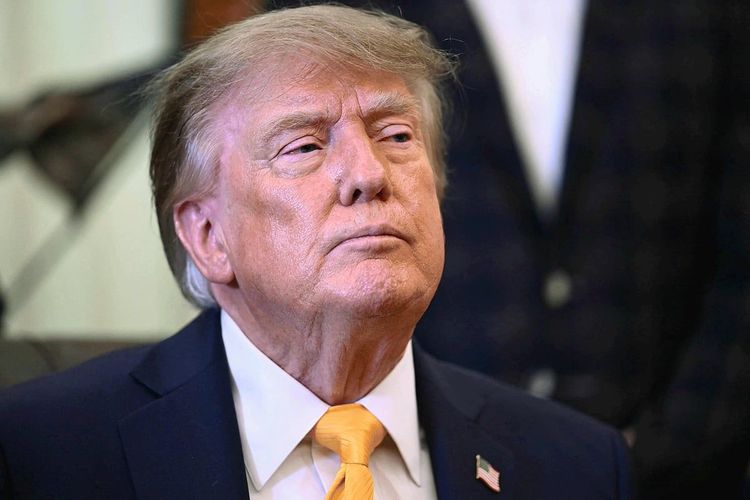
The Asheville meetings set the stage for a G20 leaders' summit that President Donald Trump will convene December 14-15 at Trump National Doral in Miami, Florida, marking the culmination of the United States' G20 host year.