Iran launches ballistic missiles at US base in Jordan following Larak Island strikes
Iran reportedly fired ballistic missiles at Muwaffaq Salti Air Base in Jordan hours after US forces struck Iranian rocket launchers on Larak Island near the Strait of Hormuz, marking a sharp escalation in US-Iran tensions.
Iran launches ballistic missiles at US base in Jordan following Larak Island strikes
Iran has reportedly launched a ballistic-missile attack against a US military installation in Jordan early Monday, hours after American forces struck Iranian rocket launchers on Larak Island near the Strait of Hormuz, in what could represent a significant escalation of the ongoing US-Iran conflict.
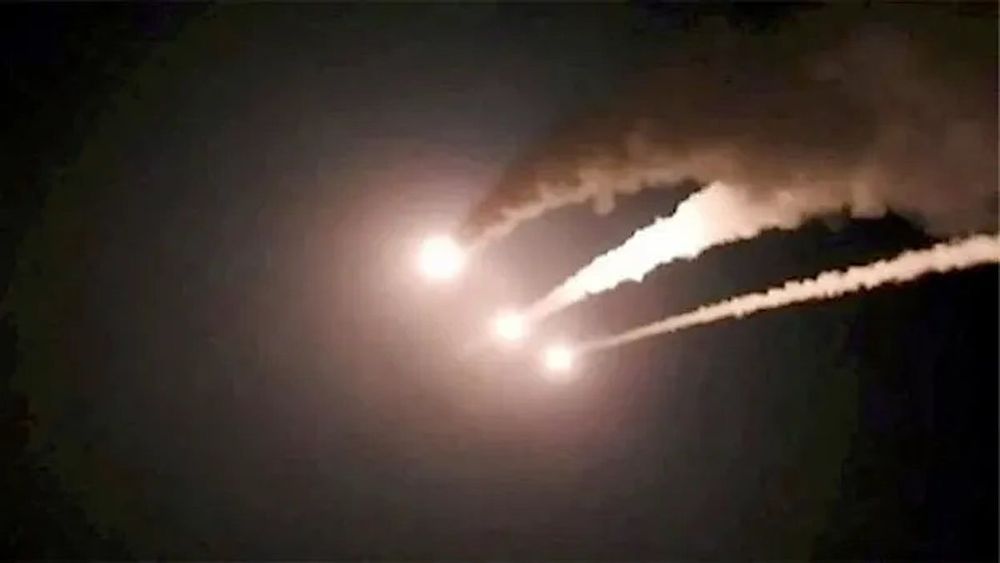
Video footage circulating online appears to show multiple air-defence interceptors being launched over Jordan, with reports indicating that Muwaffaq Salti Air Base near Azraq was the target. The facility, located approximately 100 kilometers east of Amman in Zarqa Governorate, has hosted US forces since a 2021 Defense Cooperation Agreement allowed American military personnel free entry onto Jordanian territory.
Jordan, the US Central Command and Iran had not publicly confirmed the attack at the time of publication. Details regarding the number of missiles launched, casualties or damage remained unclear, though nearly all incoming missiles were reportedly intercepted according to Fox News.
Rapid escalation following Hormuz strikes
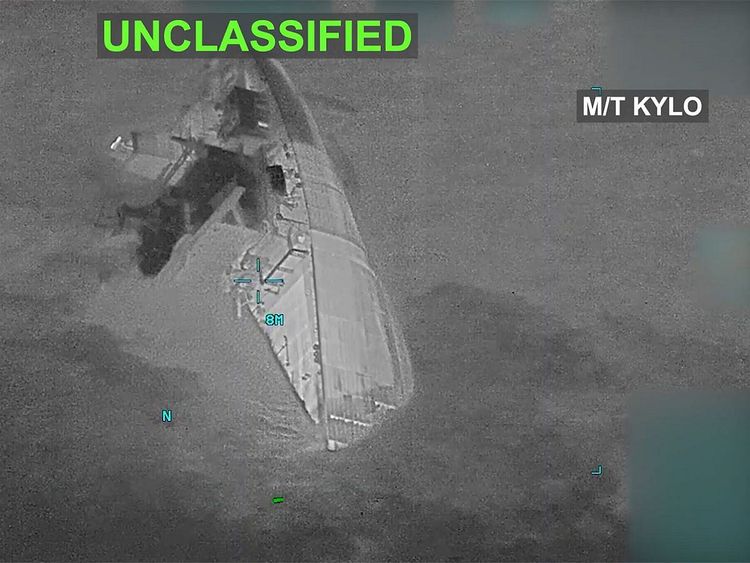
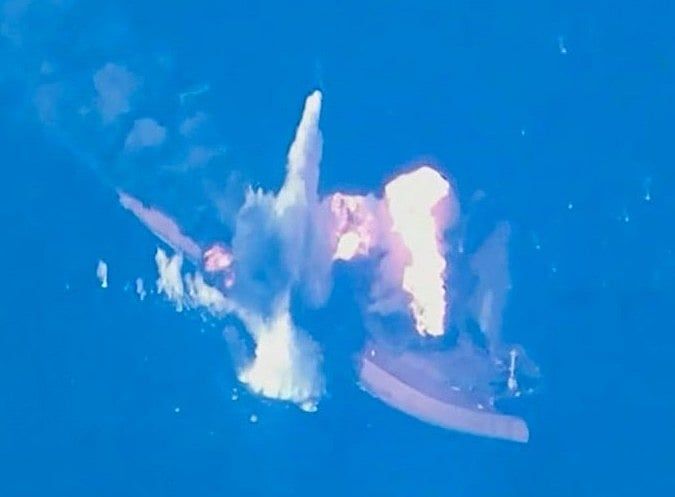
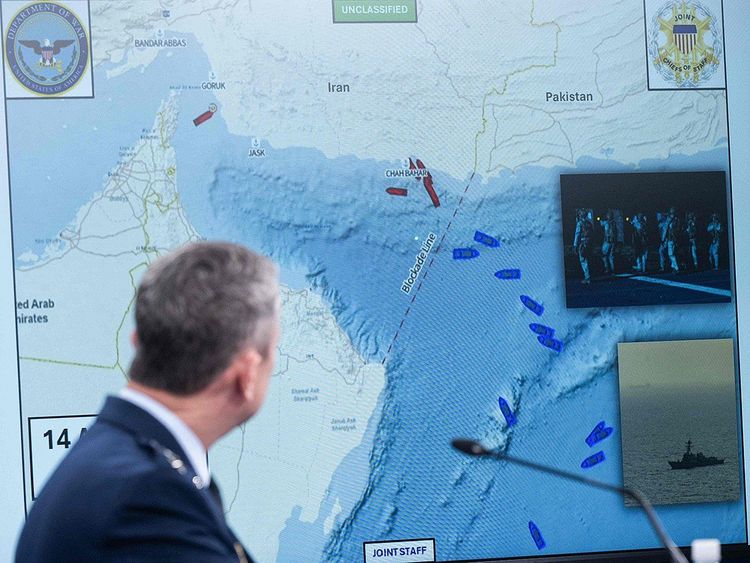
The reported attack comes only hours after US forces struck two Iranian rocket launchers on Larak Island, a strategic position at the narrowest part of the Strait of Hormuz. The waterway, just 24 miles wide between Larak Island and Oman's Great Quoin Island, serves as one of the world's most critical maritime chokepoints, with approximately 15 million barrels of crude oil per day passing through it in 2025, representing about 34 percent of global crude oil trade.
Washington stated that the launchers were being prepared by Iran's Islamic Revolutionary Guard Corps to deploy rockets carrying sea mines into the strait. The IRGC subsequently vowed retaliation, claiming the US attack killed or wounded Iranian citizens.
Patriot systems engage incoming threats
The footage appears to show several surface-to-air interceptors rising into the night sky, consistent with Patriot air-defence systems deployed to protect US and allied forces in Jordan. The Patriot PAC-3 variant can achieve interception rates up to 90 percent against short-range ballistic threats, with an engagement range extending to 160 kilometers.
Open-source intelligence accounts have identified Muwaffaq Salti Air Base as the likely target. The installation, which officially opened on May 24, 1981, houses the US 332nd Air Expeditionary Wing and serves as a hub for operations supporting coalition missions in Iraq and Syria. Satellite imagery from February 2026 showed more than 60 US jets at the base, including F-35s and F-15s, representing approximately three times the usual deployment.
Strategic significance
The base has been repeatedly targeted during the ongoing conflict. A July Iranian ballistic-missile attack killed two US service members, and Iranian forces have previously fired missiles toward the facility, with Jordanian authorities reporting successful interceptions.
Jordan was designated as a Major Non-NATO ally by the United States in 1996, a status that provides benefits including priority delivery for defense articles and participation in cooperative research programs. Under a 2022 Memorandum of Understanding, the United States committed to providing Jordan with $1.45 billion in total annual economic and military aid through 2029, including approximately $425 million per year in military assistance.
The reported attack would represent a rapid escalation from a confrontation over Hormuz shipping into another direct Iranian strike against US forces. Given the base's strategic location, aircraft stationed there are capable of reaching western Iran with relatively short transit times, making it a key node in US regional military operations.