Gargash denounces anti-UAE media campaigns as wasteful, says achievements outweigh attacks
Presidential adviser Dr Anwar Gargash criticises media campaigns targeting the UAE as desperate efforts based on distortion, arguing the nation's record speaks louder than misinformation.
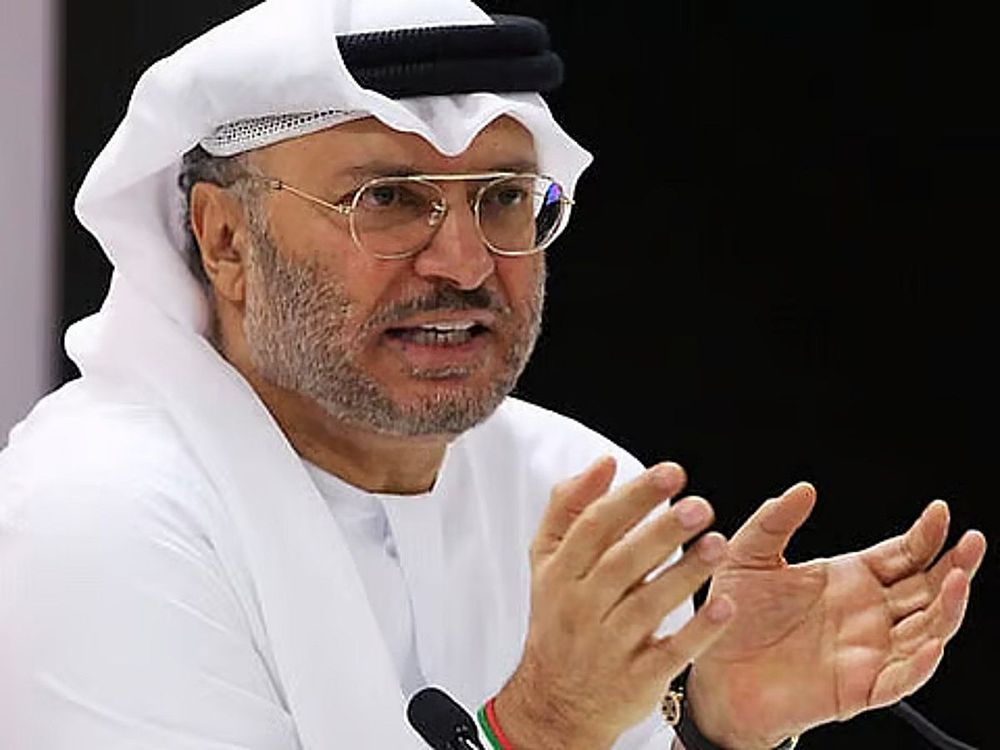
Gargash denounces anti-UAE media campaigns as wasteful, says achievements outweigh attacks
Dr Anwar Gargash, Diplomatic Adviser to the UAE President, has sharply criticised ongoing media campaigns directed against the UAE, characterising them as desperate and wasteful efforts that pale in comparison to the nation's tangible achievements.
In a statement posted on X on Saturday, Gargash argued that campaigns relying on distortion and rumours ultimately fail when set against determination and concrete accomplishments. He emphasised that action carries more weight than reaction, and that those behind such campaigns struggle to confront a successful national model.
Gargash, who has served as Diplomatic Adviser since February 2021 after more than a decade as Minister of State for Foreign Affairs, added that the effort and resources spent targeting the UAE represent a waste that could have been directed towards constructive purposes such as building and development.
Regional support and broader context
The UAE is not alone in facing such challenges. In June, the GCC Secretary-General condemned misleading media campaigns targeting both the UAE and Qatar, stating that these efforts lack credibility and aim to undermine Gulf cooperation in consolidating security and stability across the region.
Gargash's comments follow earlier remarks this week in which he stressed the importance of credibility and balance in media coverage, particularly during a period of heightened regional tensions. He argued that accurate reporting becomes especially critical when competing narratives and misinformation shape public understanding of regional events.
Scale and nature of disinformation
The UAE has faced a surge in false news, fabricated videos, and misleading images linked to regional tensions. In March, authorities detected a significant increase in such content, prompting enforcement measures that include imprisonment of at least one year and fines of no less than Dh100,000 for those spreading misinformation.
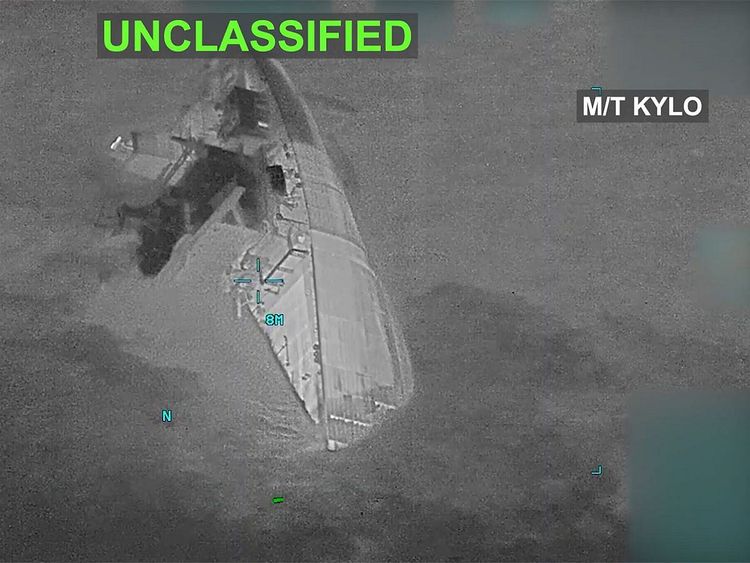
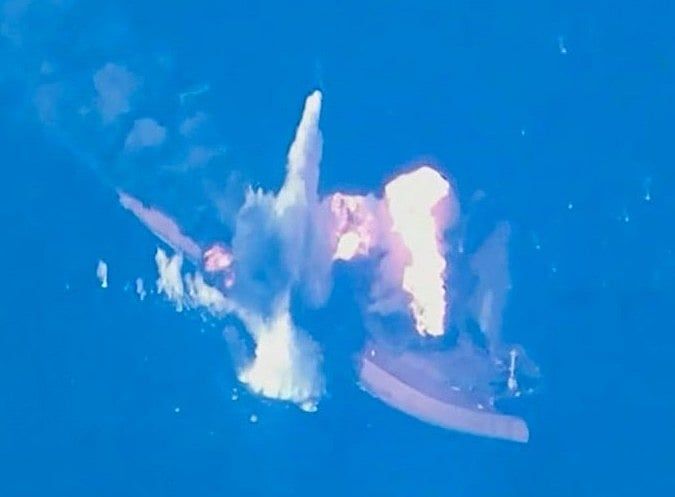
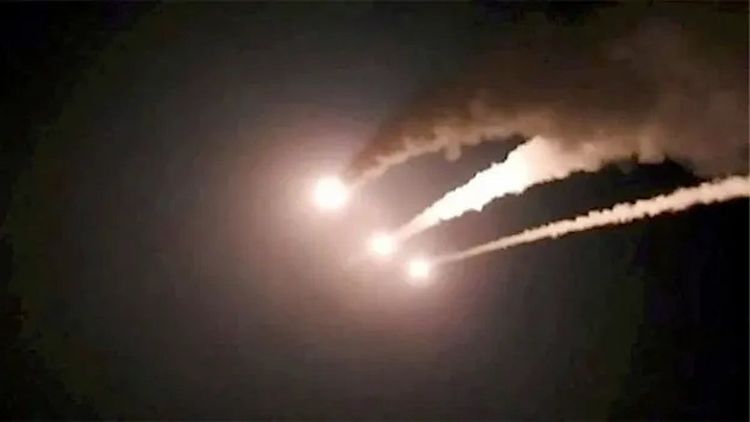
A systematic disinformation campaign has attempted to portray the UAE as unstable by circulating fabricated videos showing explosions and fires from unrelated incidents worldwide, falsely presented as scenes from Dubai and Abu Dhabi. UAE cybersecurity officials reported in February that regional tensions have intensified online narratives targeting the country, with AI-enabled disinformation activity increasing the spread of rumours through sophisticated deepfake technology.
The digital threat landscape facing the UAE is substantial. Between 90,000 and 200,000 cyber breach attempts hit UAE systems daily as of February, with officials noting that 71.4 per cent of attacks are state-sponsored, largely originating from Asia and Europe.
Enforcement actions
Abu Dhabi Police arrested 109 individuals of various nationalities in 2026 for filming sites and sharing inaccurate information on social media amid ongoing regional tensions, as part of efforts to monitor social media misuse and combat the spread of false information.
The presidential adviser has consistently pushed back against false claims concerning the UAE, maintaining that facts and tangible achievements provide a stronger response to misinformation than prolonged public disputes. His latest statement reinforces this position, arguing that the UAE's record of development and stability speaks more convincingly than any campaign designed to undermine it.