US Treasury chief claims Iran has lost control of Hormuz amid escalating strikes
Treasury Secretary Scott Bessent asserts Iran cannot control the Strait of Hormuz as Washington targets radar systems and maritime infrastructure along the strategic waterway carrying 20% of global oil trade.

US Treasury chief claims Iran has lost control of Hormuz amid escalating strikes
US Treasury Secretary Scott Bessent declared that Iran has lost control of the Strait of Hormuz and is in a "death spiral," following American military strikes that destroyed Iranian radar installations along the strategic waterway.
Bessent, who was sworn in as the 79th Treasury Secretary in January 2025 after Senate confirmation by a 68-29 vote, described Iran's efforts to rebuild its surveillance network in dismissive terms. He said Iranian forces had been attempting to reconstruct what he called a "patchwork tinker toy erector set radar" along the strait's shores before US forces targeted the installations.
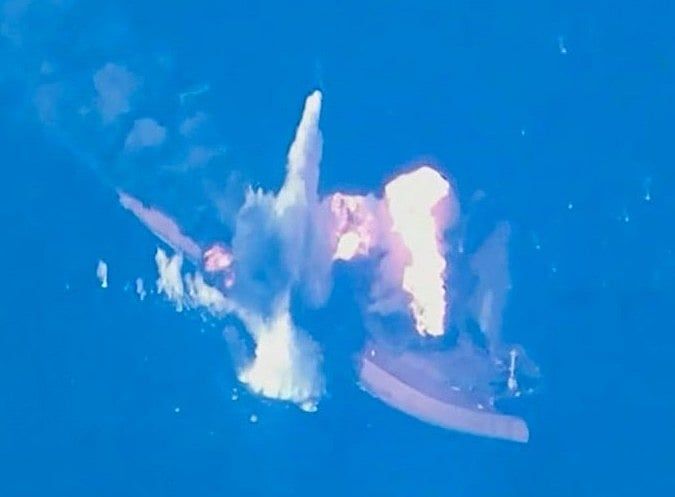
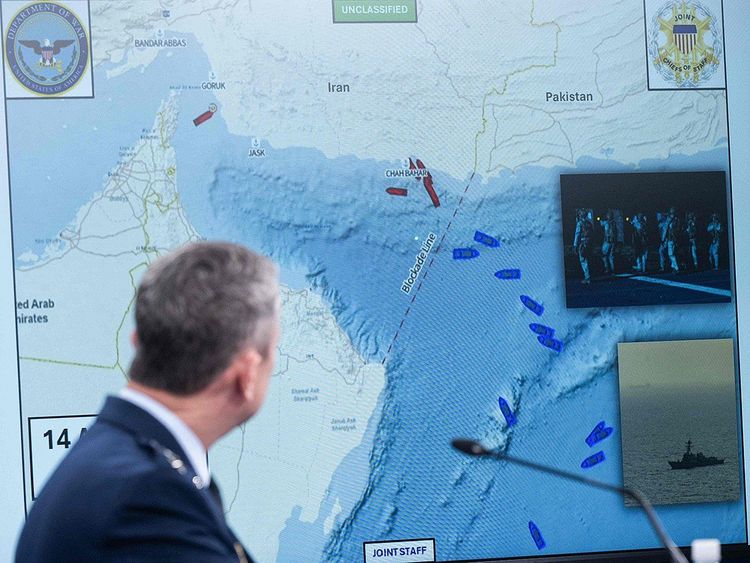
The comments came after US Central Command launched a new wave of strikes against Iranian targets on Tuesday, hitting air-defense systems, radar sites, maritime assets, mine-laying capabilities and communications facilities. The military operation focused on preventing Iran from reconstituting surveillance capabilities critical to monitoring shipping and military activity through the waterway.
Strategic waterway under dispute
The Strait of Hormuz represents one of the world's most critical energy chokepoints. Approximately 20 million barrels of crude oil and petroleum products transit through the narrow passage daily under normal conditions, accounting for roughly 20% of global oil consumption and about 25% of all seaborne oil trade. The strait also handles approximately 20% of global liquefied natural gas trade.
At its narrowest point between Iran's Larak Island and Oman's Great Quoin Island, the strait measures just 21 nautical miles wide, with two shipping lanes each about two miles wide separated by a two-mile buffer zone. This geographic constraint makes the waterway particularly vulnerable to disruption.
Larak Island, located approximately 18 kilometers east of Qeshm Island and 45 kilometers from Bandar Abbas, hosts Islamic Revolutionary Guard Corps facilities and serves as a critical checkpoint for vessels moving through the strait. The US Army War College identifies it as one of three most consequential islands in the waterway, explaining why Washington has focused military operations there.
Escalating military exchanges
The latest American strikes followed attacks on Larak Island earlier in the week, where US forces said Iranian personnel were preparing rocket launchers for sea mine operations. Iran subsequently launched missiles at US positions in Jordan, prompting the expanded Tuesday strike package.
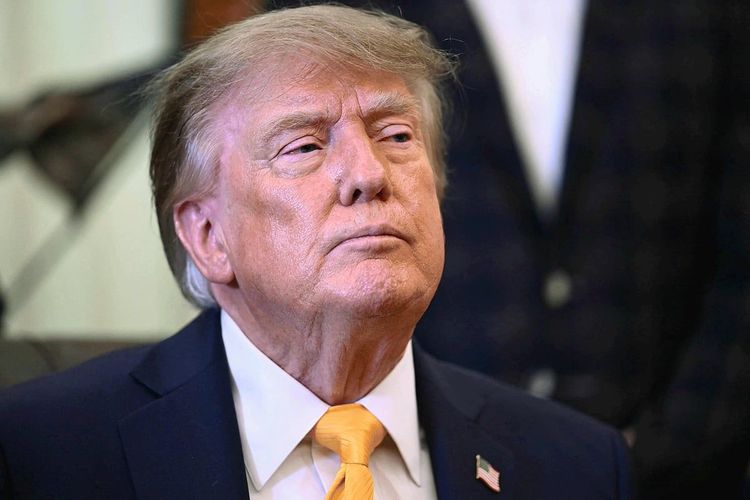
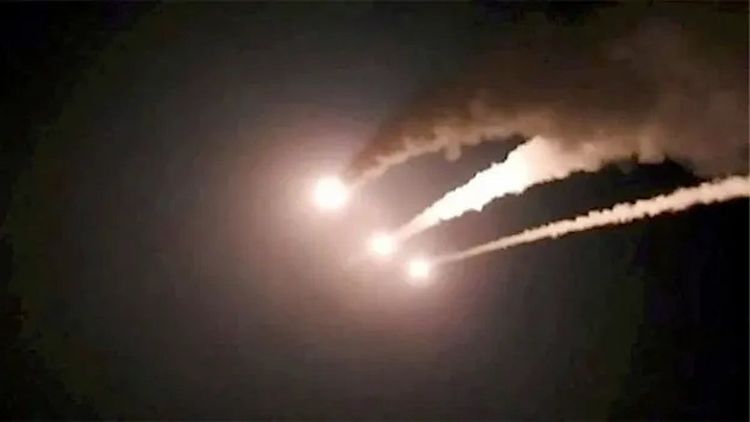
President Donald Trump confirmed the attacks also targeted Iranian radar systems that Tehran was attempting to repair. Iranian state-linked media reported that IRGC forces retaliated with missile and drone attacks against US positions in the region following Tuesday's operations.
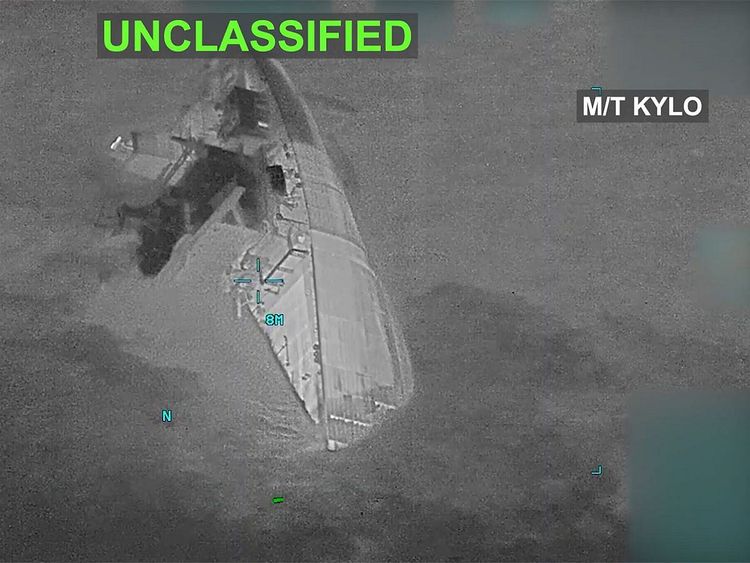
Two tankers were struck near the Strait on Monday, further raising concerns over commercial shipping safety. Vessel traffic through the waterway has fallen dramatically during the conflict. Under normal conditions, approximately 100 cargo-carrying vessels pass through the strait daily, with 60-70% being oil tankers and gas carriers. However, after Iran began restricting the passage in February 2026, about 90-95% of traffic was diverted to avoid hostilities.
Economic warfare intensifies
Bessent announced Washington is imposing additional sanctions on Iranian financial institutions, potentially on a weekly basis, as part of its campaign to economically isolate Tehran. He emphasized that Iran holds the world's fourth-largest proven oil reserves at approximately 157 billion barrels and the second-largest natural gas reserves at over 34 trillion cubic meters.
The active US naval blockade against Iran has severely restricted Iranian oil exports. Tanker tracking data shows Iran's oil shipments averaged approximately 1.65 to 1.80 million barrels per day in early 2026, with about 92% destined for China. During the most intense blockade period in late February through early March, Iranian exports collapsed to as low as 300,000 barrels per day before partially recovering after a June memorandum of understanding lifted the blockade.
Bessent's assertion that the blockade is keeping at least 1.5 million barrels per day of Iranian oil off the market reflects the significant economic pressure Washington is applying. Nearly 90% of crude exports through Hormuz normally flow to Asian markets, with China and India combined receiving approximately 44% of total Hormuz crude exports. The United States imports only about 2% of its petroleum consumption from flows through the strait.
Control remains contested
Iran has continued to assert its ability to disrupt shipping and has warned that if it cannot export oil, other countries should not expect to export through the Gulf either. The IRGC said the latest US attacks would tighten the effective closure of Hormuz. Iranian forces demonstrated this capability through the retaliatory strikes following Tuesday's operations.
Washington maintains that Iran has failed to establish control and that US military operations are restoring freedom of navigation. However, the practical reality remains that commercial shipping cannot move through the strait at pre-war levels, even as the physical passage stays open.
Alternative export routes exist but cannot replace Hormuz's capacity. Saudi Arabia's East-West Pipeline and the UAE's Abu Dhabi Crude Oil Pipeline have combined capacity of 3.5 to 5.5 million barrels per day, far less than the approximately 20 million barrels that normally transit through the strait. These overland pipelines moving oil from the Gulf to world markets could partially reduce Iranian leverage over the chokepoint, though they cannot fully compensate for a sustained closure.
The central question of who actually controls Hormuz remains unresolved. For global energy markets, the distinction between physical openness and practical navigability continues to define the crisis, as shipping companies weigh the risks of transiting waters where both sides demonstrate military capabilities and willingness to use force.