Two tanker attacks near Strait of Hormuz escalate maritime threat as US retaliates
Iranian forces attacked two commercial oil tankers in 48 hours near the Strait of Hormuz, prompting fresh US military strikes on Iranian radar and air-defence systems as the conflict threatens vital energy flows.
Two tanker attacks near Strait of Hormuz escalate maritime threat as US retaliates
Two separate attacks on commercial oil tankers near the Strait of Hormuz within 48 hours have intensified concerns over maritime security in the waterway that normally carries approximately 15 million barrels per day of crude oil and condensate, plus 5.5 million barrels per day of refined petroleum products—representing about 25% of the world's seaborne oil trade.
The Bahrain-based Joint Maritime Information Center, a permanent component of the 47-nation Combined Maritime Forces covering approximately 3.2 million square miles, reported the incidents alongside continued Iranian surveillance and harassment of merchant vessels.
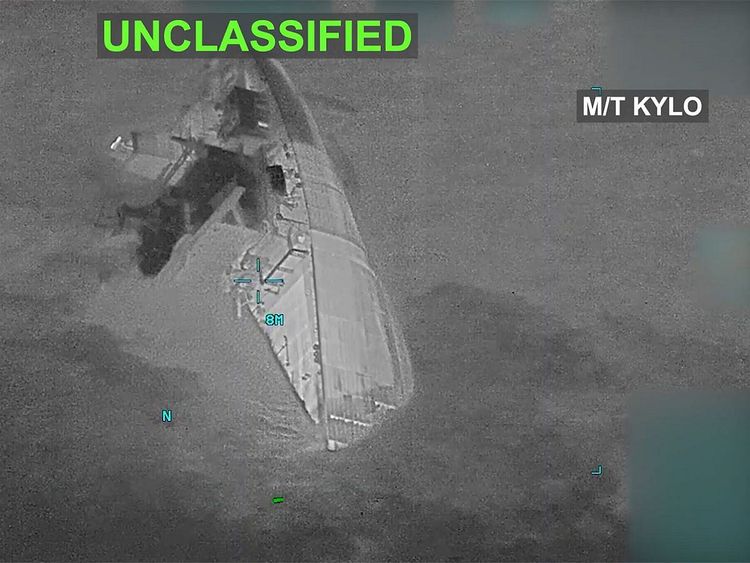
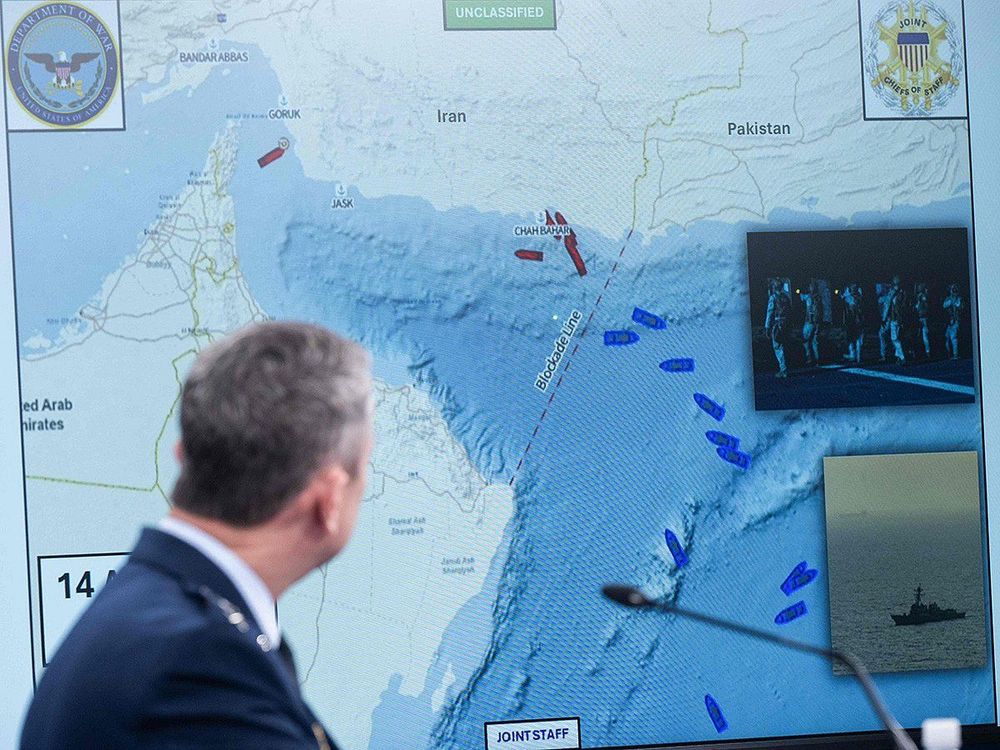
The first incident involved the oil tanker Burgan, which reported a security incident while transiting the waterway and subsequently anchored about 1 nautical mile northwest of Jazirat Um Al Ghanam, according to UK Maritime Trade Operations warning 122-26.
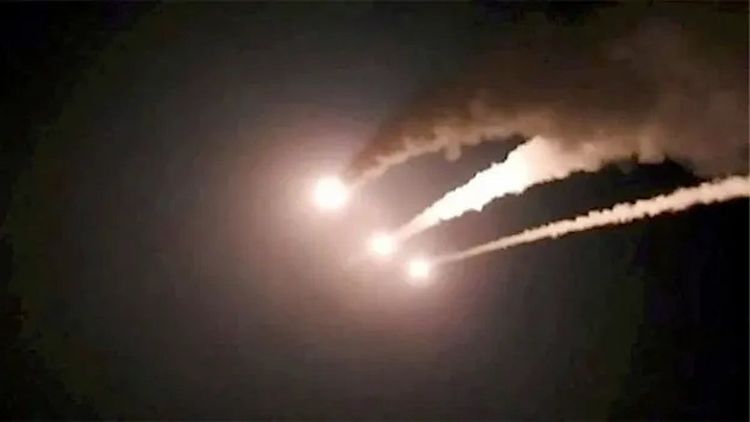
In the second attack, documented as UKMTO warning 124-26, another tanker was struck by three unknown projectiles approximately 17 nautical miles east of Khasab, Oman, while completing an outbound transit of the Strait. No casualties or environmental impact were reported, and authorities have launched an investigation.
Iranian pressure tactics continue
The Joint Maritime Information Center said the attacks coincided with ongoing activity by Iran's Islamic Revolutionary Guard Corps, including unmanned aerial vehicle overflights, targeted surveillance of merchant ships and occasional VHF radio hailing. The pattern indicates an Iranian effort to maintain visible military presence along critical shipping lanes.
The Revolutionary Guard Corps Navy has specialized in asymmetric maritime warfare since the Iran-Iraq War of 1980-1988, employing small fast-attack craft, swarm tactics, missiles and coastal anti-access systems to control the strait. The strait also carries approximately 19-20% of global liquefied natural gas trade, with about 93% of Qatar's and 96% of the UAE's LNG exports transiting through the waterway.
Commercial traffic through the Strait remained far below normal levels, with only single-digit numbers of vessels transiting in each direction during the assessment period. Under normal conditions, roughly 88-100 commercial vessels per day pass through the Strait's two shipping lanes, but traffic dropped dramatically when Iran threatened ships earlier in the conflict, with more than 95% of normal traffic diverted.
Economic impact deepens
War risk insurance premiums for vessels transiting the Strait of Hormuz have surged from pre-war levels of 0.15-0.25% of hull value to between 5-10% by mid-2026, meaning a $100 million tanker now faces war risk premiums of $5-10 million per transit compared to $150,000-250,000 before hostilities.
Asian countries collectively receive 89.2% of the crude oil and condensate that transit the Strait, with China alone receiving 37.7% of all oil exports passing through the waterway. The disruption has caused oil prices to soar and created immediate shortages in parts of Asia heavily reliant on Persian Gulf supplies.
US launches retaliatory strikes
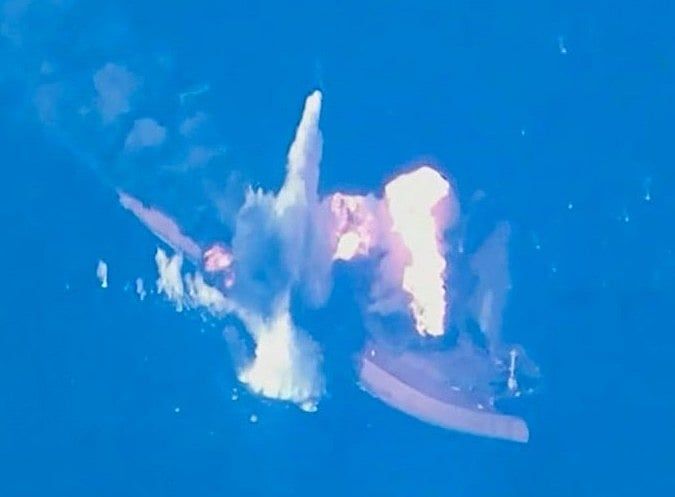
The US military responded with fresh attacks on Iranian radar and air-defence systems and other military infrastructure, focusing on capabilities that could threaten shipping or American forces. US Central Command maintains its blockade on Iranian ports.
The strikes follow Sunday's US attack on two Iranian rocket launchers on Larak Island, a 49-square-kilometer Iranian island located at the eastern entrance of the Strait of Hormuz, approximately 11 miles east of Qeshm Island and 28 miles from Bandar Abbas. US Central Command said that operation targeted Iranian forces preparing to lay mines in the waterway.
Larak Island hosts Islamic Revolutionary Guard Corps facilities that allow Iran to monitor and influence maritime traffic through the strait, making it a strategically critical location for controlling the chokepoint.
The US has intensified its focus on preventing Iran from using mines, missiles, small boats and other weapons to disrupt commercial traffic through Hormuz, one of the world's most important energy chokepoints.