Trump shares Kim Jong-un photo, says relationship remains strong despite stalled talks
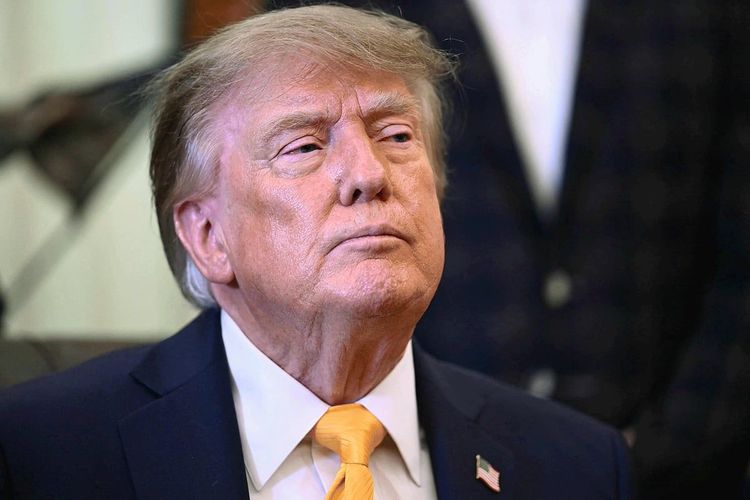
US President Donald Trump posted a 2019 photo with North Korean leader Kim Jong-un on Truth Social, reaffirming their personal rapport as uncertainty persists over Pyongyang's willingness to resume negotiations amid deepening ties with Russia.
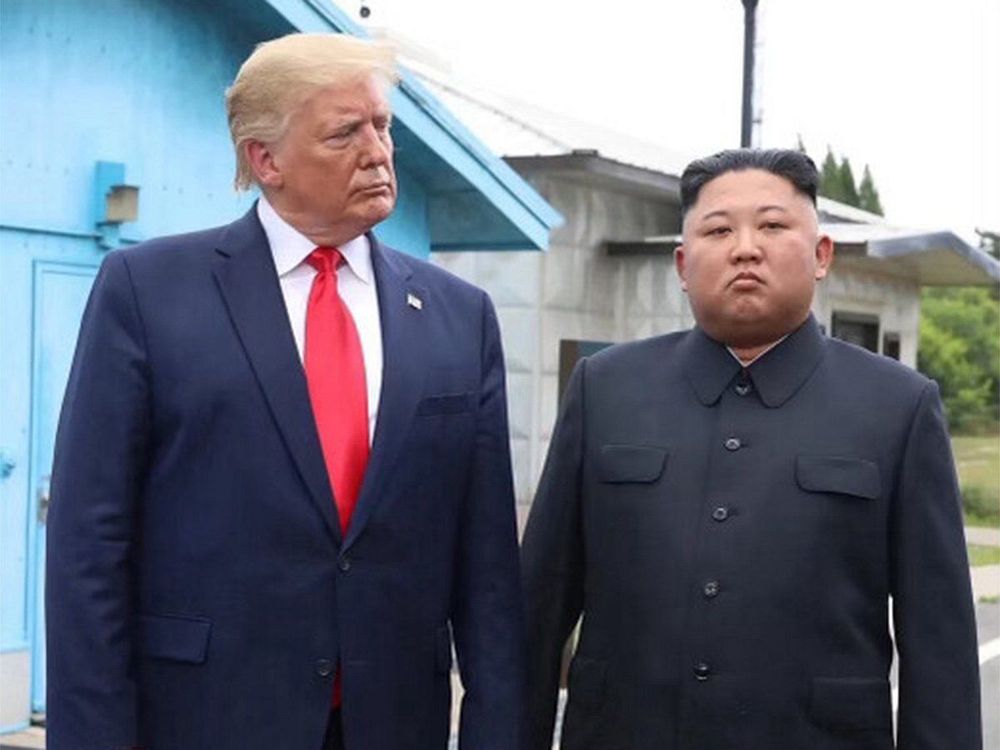
'We get along great': Donald Trump shares Kim Jong-un photo on Truth Social
US President Donald Trump has publicly reinforced his claim of maintaining a positive relationship with North Korean leader Kim Jong-un, sharing a photograph from their 2019 meeting at Panmunjom on Truth Social over the weekend.
The image shows the two leaders at the heavily fortified border village between North and South Korea, part of the Demilitarized Zone—a 4-kilometer-wide buffer established by the 1953 Korean Armistice Agreement that stretches approximately 150 miles across the peninsula.
Despite the unfriendly look on this particular picture, there are many where we're smiling, Kim Jong Un and I get along GREAT!
Trump wrote on the social media platform Saturday.
The post signals Trump's continued interest in direct diplomacy with Pyongyang, even as questions mount about whether North Korea will return to the negotiating table. The White House has indicated Trump remains willing to reopen talks without preconditions.
History of direct diplomacy
Trump and Kim met face-to-face three times during Trump's first presidential term. Their first encounter in Singapore in June 2018 marked a historic breakthrough as the first-ever meeting between a sitting US president and a North Korean leader. During that summit, Kim reaffirmed his commitment to complete denuclearization of the Korean Peninsula, while Trump pledged security guarantees to North Korea.
The second summit in Hanoi in February 2019 ended abruptly without agreement, as the two sides failed to bridge differences over sanctions relief and denuclearization measures.
Their third meeting at Panmunjom in June 2019 created another historic moment when Trump crossed the Military Demarcation Line, becoming the first sitting US president to step into North Korean territory. Trump also shared a photograph from the Singapore summit, further fueling speculation about potential renewed diplomatic outreach.
Shifting alliances complicate prospects
The prospects for resuming US-North Korea dialogue face significant obstacles as Pyongyang's military and economic relationships with Russia and China have strengthened considerably.
In June 2024, Russian President Vladimir Putin and Kim established a Comprehensive Strategic Partnership that revived the automatic military intervention clause from the 1961 Soviet-DPRK treaty. Following this agreement, North Korea deployed between 10,000 and 12,000 troops to support Russia's military operations in the Kursk region of Ukraine. Russia's Defense Minister Andrey Belousov recently traveled to Pyongyang to announce a long-term military cooperation plan spanning 2027-2031.
North Korea's economic ties with China have also expanded, with bilateral trade reaching approximately $2.73 billion in 2025, up 25 percent from the previous year. Passenger train service between Pyongyang and Beijing resumed in March 2026 after a six-year suspension.
These deepening partnerships provide North Korea with alternative sources of diplomatic and economic support, potentially reducing its incentive to engage with Washington. The 2026 US Intelligence Community Annual Threat Assessment noted that Kim views nuclear weapons as a guarantor of regime security. North Korea has conducted six nuclear tests and is estimated to have assembled approximately 50 nuclear warheads as of January 2024, with fissile material for an estimated 70-90 nuclear weapons.
Whether Trump's personal outreach will translate into renewed negotiations remains uncertain as North Korea continues to strengthen its strategic relationships elsewhere.