US-Iran war reaches six-month mark as blockade tightens and diplomatic efforts stall
American diplomats return to Gulf embassies as CENTCOM reports 82 vessels redirected under naval blockade. Hezbollah rejects Israel-Lebanon framework while Iran keeps door open to diplomacy on its own terms.

US-Iran war reaches six-month mark as blockade tightens and diplomatic efforts stall
The United States-Iran war entered its seventh month on Friday with no breakthrough in sight, marked by the partial return of American diplomatic staff to embassies across the Gulf and a hardening of positions on multiple fronts.
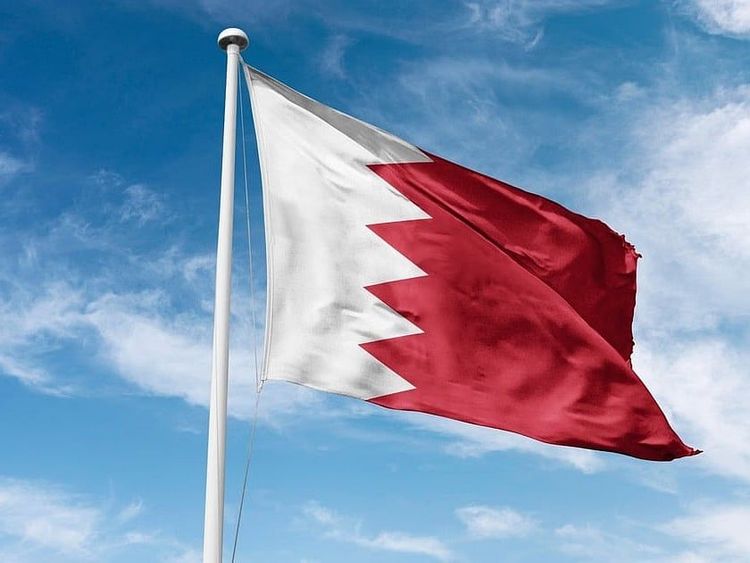
US embassies in Qatar, Kuwait and Bahrain announced this week they would allow diplomats and some family members to return after evacuation orders issued in the opening weeks of the conflict. The moves represent the first easing of wartime staffing restrictions, though missions are not returning to full strength and the changes reflect human resources requirements rather than any fundamental shift in Washington's Iran policy.
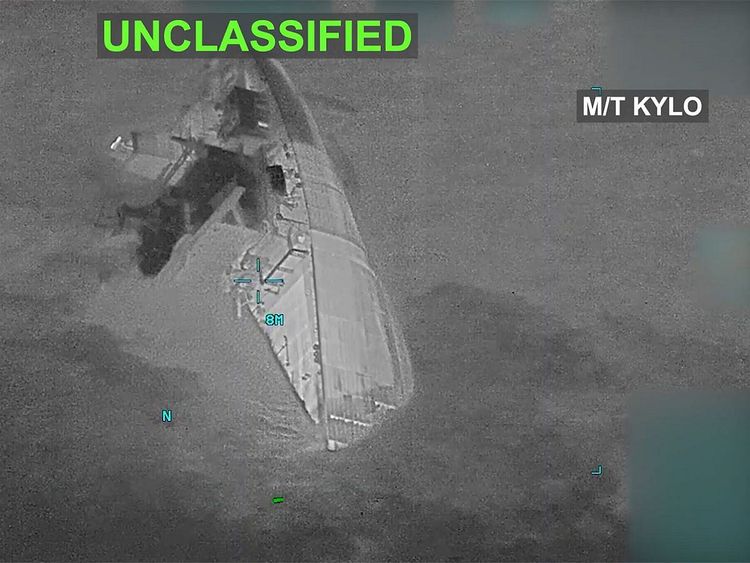
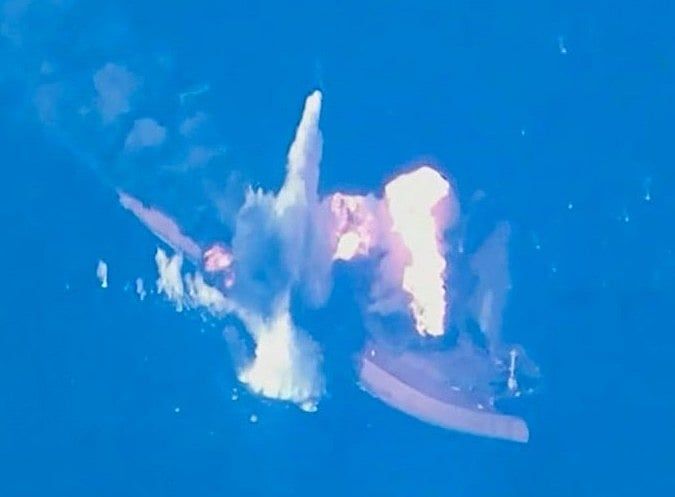
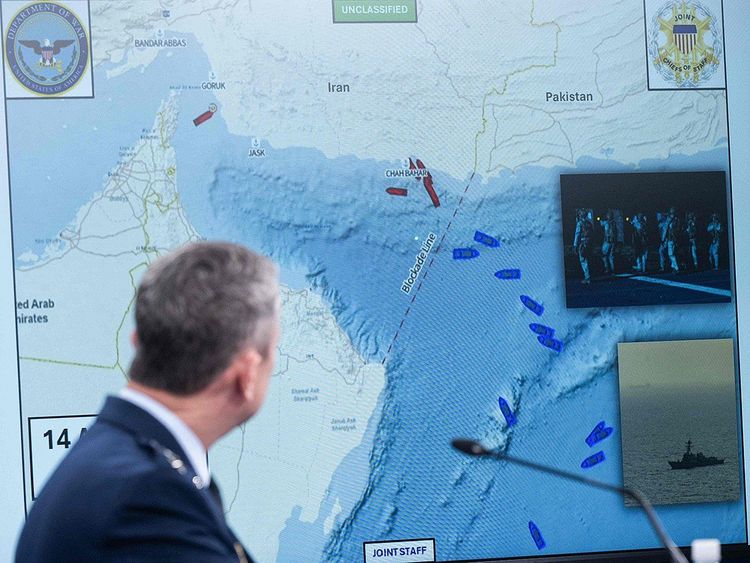
At sea, US Central Command—the Department of Defense unified combatant command responsible for the Middle East region including 21 countries from Egypt to Kazakhstan—reported that 82 commercial vessels have been redirected as of August 28 under the naval blockade enforcing restrictions on Iranian ports. CENTCOM forces have also disabled three vessels and boarded two others to ensure compliance.
Iran signals openness to talks, with conditions
Iranian Foreign Minister Abbas Araghchi used the six-month anniversary to state that diplomacy remains possible, but only if the United States abandons what Tehran calls its pressure campaign. Writing on social media platform X, Araghchi said putting diplomacy back on track is not impossible but depends on Washington understanding that pressure does not work.
The statement came after Araghchi hosted his Qatari counterpart in Tehran on Thursday for discussions focused on the Strait of Hormuz, the 21-mile-wide waterway between the Persian Gulf and the Gulf of Oman that Iran closed at the start of the war. Before the conflict, approximately 21 million barrels per day of petroleum passed through the strait, representing about 21 percent of global petroleum liquids consumption.
The meeting capped a week of intensive Iranian diplomatic contacts with Oman and Pakistan, both of which have served as mediators alongside Qatar in efforts to broker a settlement.
Kuwait joins regional diplomatic push
Kuwait's Foreign Minister Sheikh Jarrah Jaber Al-Ahmad Al-Sabah held separate telephone conversations on Saturday with his counterparts in Oman and Qatar. According to a statement from Kuwait's foreign ministry carried by the state news agency KUNA, the calls addressed regional developments and diplomatic efforts to strengthen security and stability while ensuring the safety and freedom of maritime navigation in the Strait of Hormuz.
Hezbollah rejects Lebanon framework deal
In Beirut, Hezbollah leader Naim Qassem delivered a televised address on Friday rejecting the framework agreement signed between Israel and Lebanon and vowing his organization would not surrender. The Iran-backed group—designated as a terrorist organization by the United States, European Union and several Arab League countries while simultaneously holding seats in Lebanon's parliament—brought Lebanon into the wider conflict on March 2 by attacking Israel.
Speaking on the group's Al-Manar television channel, Qassem called the framework agreement illegitimate, unlawful and destructive to Lebanese sovereignty. Israel's response to Hezbollah's initial attack has included sustained airstrikes and a ground invasion that Lebanese authorities say have killed more than 4,300 people in a country with an estimated population of 5.5 million.
The US-sponsored framework deal signed in late June calls for Hezbollah's disarmament, a gradual withdrawal of Israeli forces from southern Lebanon, and deployment of the Lebanese army to the region beginning in designated pilot zones.
Iran acknowledges economic pressure
Iranian President Masoud Pezeshkian admitted in a state television interview late Friday that US sanctions are hurting the economy, contradicting statements he made earlier in the week. Pezeshkian said Iran's exports and imports had fallen by 25 to 35 percent in recent months as the United States maintains its naval blockade of Iranian ports.
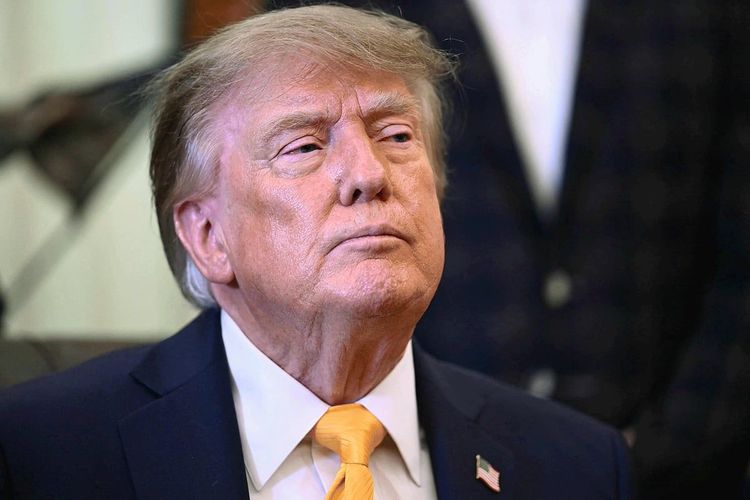
The admission comes as US Treasury Secretary Scott Bessent has outlined plans for what Washington calls the economic asphyxiation of Iran, warning of consequences for countries that do not join the American campaign. The measures build on a sanctions regime that has been in place since May 2018, when the Trump administration withdrew from the Joint Comprehensive Plan of Action—the international agreement on Iran's nuclear program—and reimposed sanctions as part of a maximum pressure campaign.
West Bank sees rare Israeli airstrike
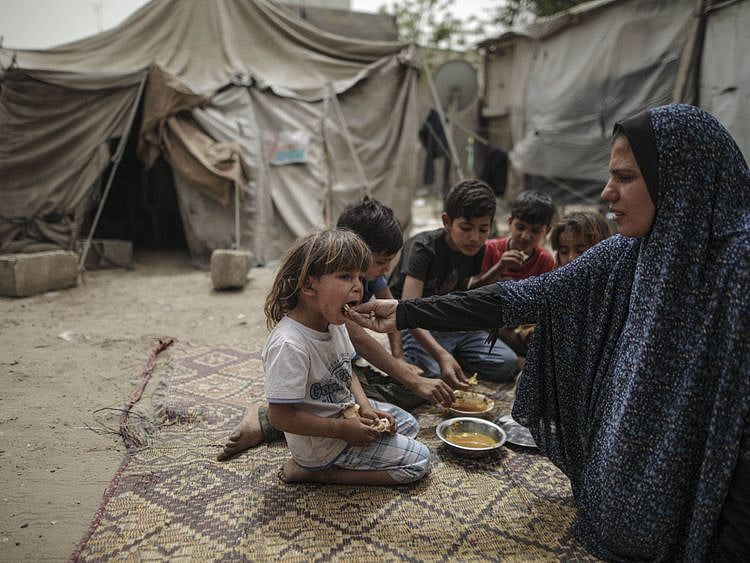
The Israeli military said it struck and killed three militants on Friday in the occupied West Bank, a rare use of air power in the Palestinian territory. Military raids on Palestinian towns in the West Bank are common, but Israeli airstrikes have been infrequent since the start of 2025. The West Bank has seen mounting violence by Israeli settlers but has largely avoided the aerial bombardment that has devastated Gaza since the October 7, 2023 Hamas attacks.
Diplomatic staff return under HR constraints
The return of American diplomats to embassies in the region reflects legal limits on how long foreign service personnel can remain away from their posts while still receiving pay and benefits for themselves and their families, rather than an assessment that conditions have fundamentally improved. In Bahrain and Kuwait, only family members older than 18 are being permitted to return.
Embassies in Israel and Lebanon had announced similar partial returns earlier in the week, with all family members of US government employees in Israel allowed back, along with those over 21 in Lebanon. The State Department placed embassies on ordered departure or authorized departure status in March as Iran began targeting US interests including embassies and military facilities across the region in retaliation for American and Israeli attacks.
Mediation efforts spearheaded by Pakistan and Qatar have attempted for months to end the war, which began with US and Israeli attacks on Iran in late February. A ceasefire agreed in April and a memorandum of understanding signed in June pointing toward a final peace deal have both failed to produce a settlement, and Washington has since declared economic warfare against Tehran.