US-Iran conflict: Key updates for UAE residents
Diplomatic efforts continue as Hormuz tensions affect regional shipping and air travel. UAE residents should monitor flight status and understand the economic context of the strait's strategic importance.
Diplomatic negotiations and shipping concerns
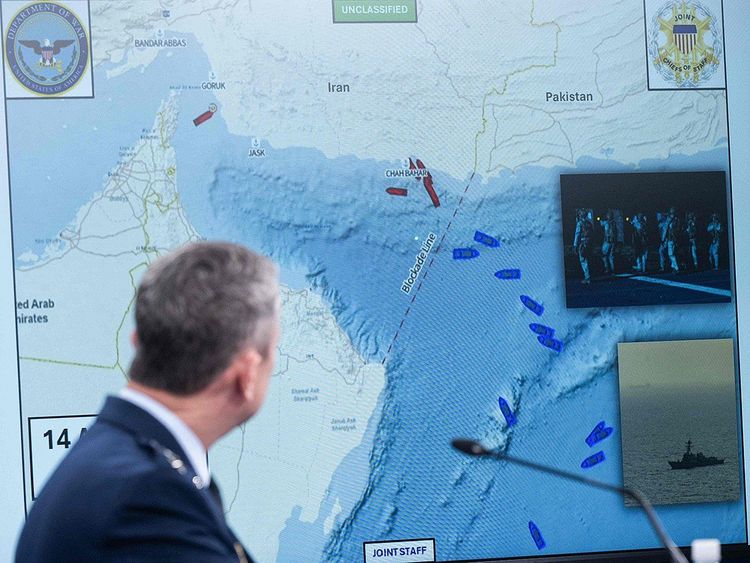
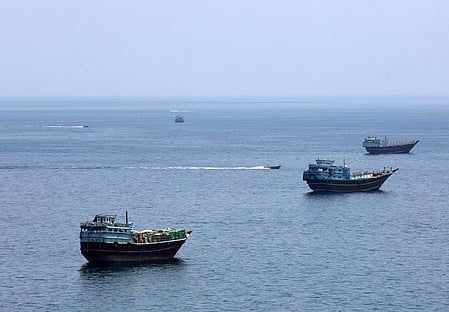
Diplomatic efforts to ease tensions between the United States and Iran are ongoing, but uncertainty continues to affect the Gulf region, particularly around the Strait of Hormuz, a narrow waterway that carries significant global economic weight.
The strait, just 21 miles wide at its narrowest point, handles approximately 21 million barrels of oil per day—roughly one-fifth of the world's petroleum consumption. For the UAE, the third-largest oil exporter globally, the waterway is critical: approximately 90% of the country's crude oil exports pass through Hormuz.
Iran and Oman are discussing measures to ease restrictions on commercial shipping through the strait. Oman, which controls the southern shore of Hormuz, has historically maintained neutral relations with both Iran and Western nations, positioning it as a potential mediator in maritime disputes. However, there is no certainty that any agreement would immediately restore normal operations.
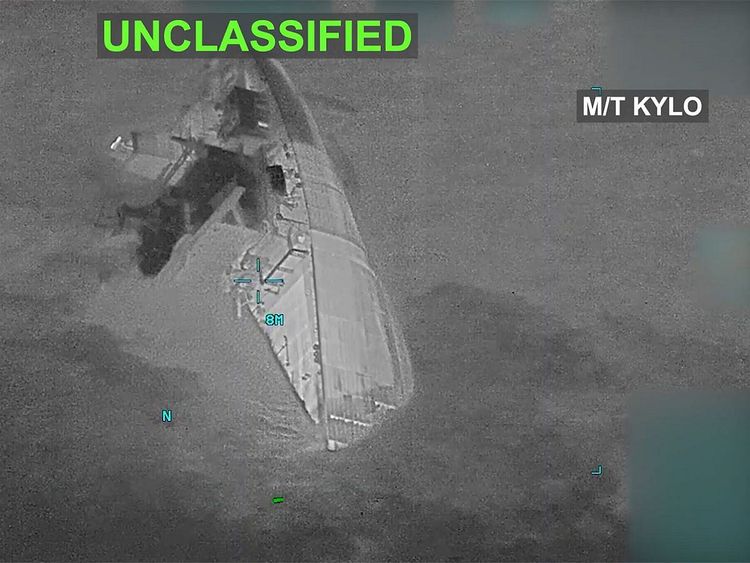
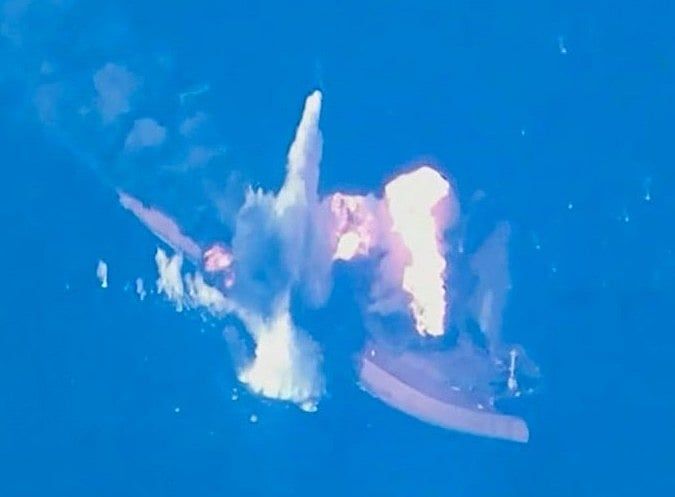
The UAE has reported that an ADNOC-linked tanker came under attack while transiting Hormuz on August 8, highlighting ongoing risks to commercial vessels in the area.
UAE preparedness and infrastructure
The UAE has developed strategic infrastructure to mitigate risks associated with Hormuz disruptions. The Abu Dhabi Crude Oil Pipeline, completed in 2012, bypasses the strait entirely and can transport up to 1.5 million barrels per day from Abu Dhabi to Fujairah on the Gulf of Oman. Additionally, the country maintains strategic petroleum reserves equivalent to approximately 60 days of domestic consumption, aligned with International Energy Agency recommendations for energy security.
Impact on air travel
For most UAE residents, the most immediate concern remains air travel. Dubai International Airport and Abu Dhabi International Airport together handle over 100 million passengers annually, making flight disruptions significant for both business and tourism.
UAE airports are operating, and many flights continue on schedule, but regional conditions mean schedules can change at short notice. Flights to destinations including Bahrain and Kuwait remain particularly vulnerable to disruption. Several international airlines are operating reduced schedules or have suspended some services to Dubai and Abu Dhabi.
The UAE and Saudi Arabia have established a joint airspace management system to enhance coordination during regional disruptions, which has helped reduce delays during previous incidents. However, historical precedents show that Hormuz-related tensions can lead to airspace restrictions: in January 2020, temporary restrictions resulted in flight diversions that added 30 to 90 minutes to certain routes between the Gulf and Europe.
What residents should do
Passengers planning to travel should check flight status directly with their airline before leaving home, rather than relying solely on booking confirmations or secondhand information online. Allowing extra time at the airport and ensuring contact details are current with airlines is advisable.
International maritime law recognizes the Strait of Hormuz as an international transit passage under the UN Convention on the Law of the Sea, meaning ships and aircraft have the right of unimpeded transit. However, enforcement during periods of heightened tension remains uncertain.
For UAE residents, daily life and air travel continue, but the regional conflict means plans can still shift quickly. Staying informed through direct airline communications and official sources remains the most prudent approach.