Top US general urges diplomatic exit from Iran conflict as missile stockpiles near critical lows
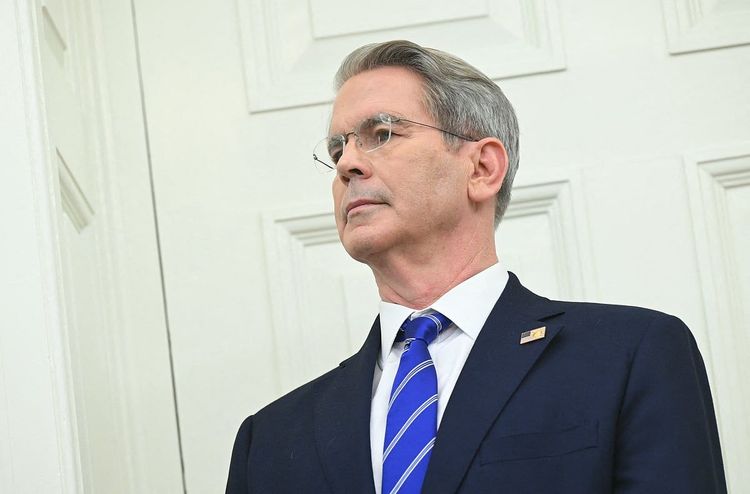
Chairman of the Joint Chiefs General Dan Caine is privately advising Trump administration officials to seek an off-ramp from the Iran conflict, warning that air strikes alone cannot achieve stated goals as weapons inventories approach dangerously depleted levels.
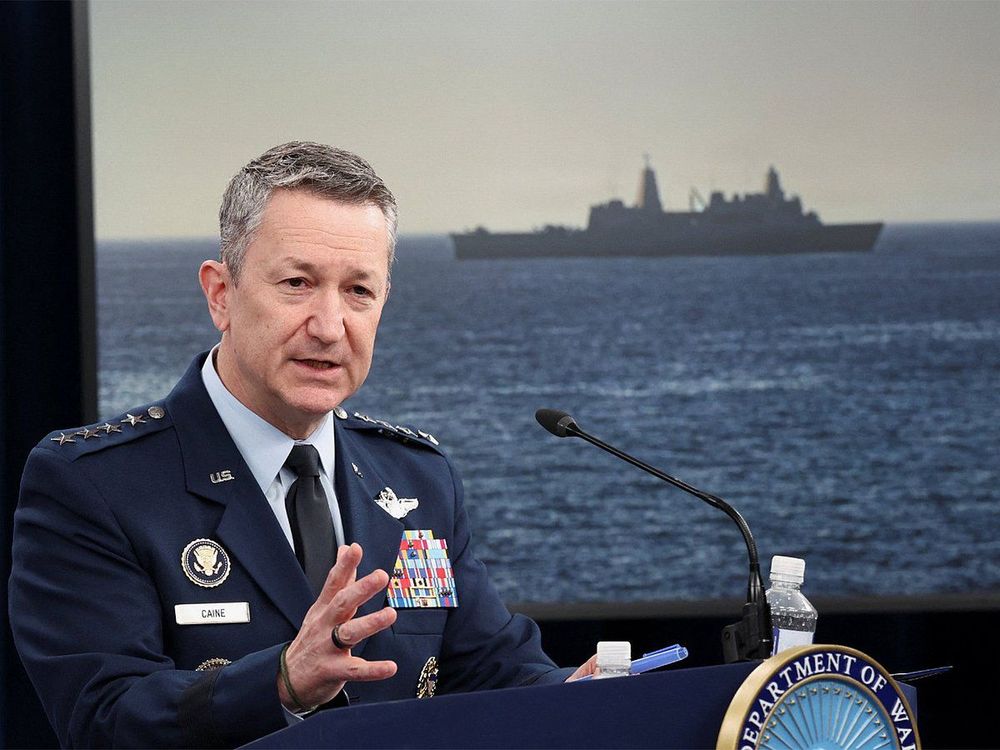
US General Caine warns Trump advisers airpower won't defeat Iran, seeks off-ramp as weapon stockpiles dwindle: Report
Chairman of the Joint Chiefs General Dan Caine has spent recent weeks privately urging senior Trump administration officials that the United States must pursue a diplomatic exit from its escalating conflict with Iran, warning that continued military escalation could backfire and that air power alone will not achieve the president's objectives.
Caine, who became the 22nd Chairman of the Joint Chiefs of Staff in April 2025 after serving as Associate Director for Military Affairs at the Central Intelligence Agency, believes the current strategy is unsustainable. "Caine is looking for an off ramp," one source familiar with the matter told CNN.
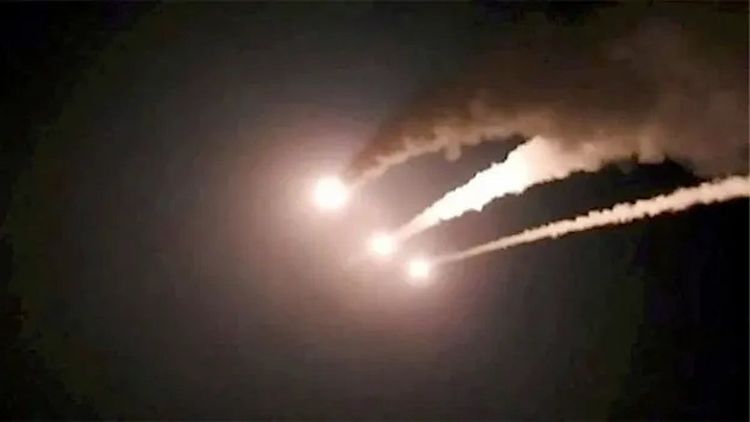
The general's concerns come as US weapons stockpiles reach critical lows. According to multiple sources, the military has expended nearly 80 per cent of its Terminal High Altitude Area Defense interceptors and approximately half of its Patriot missile inventories since hostilities with Iran began. Before the conflict, the United States maintained an estimated 2,200 to 2,300 Patriot interceptors and 452 THAAD interceptors in its arsenal.
The depletion is particularly concerning given THAAD's unique capabilities as the only US missile defense system able to intercept ballistic missiles both inside and outside Earth's atmosphere during their terminal phase, with an effective range of 150 to 200 kilometers. Each standard THAAD battery comprises six truck-mounted launchers carrying eight interceptors apiece, totaling 48 interceptors per battery, along with advanced radar and fire control systems.
Economic pressure mounts
The financial strain of the air defense campaign has become increasingly apparent. Individual Patriot PAC-3 interceptor missiles carry a price tag of approximately four to five million dollars each, while Iran's Shahed-136 attack drones cost roughly 50,000 dollars to produce—creating a severe cost imbalance that favours Tehran in a prolonged engagement.
According to defense analysts at the Center for Strategic and International Studies, rebuilding THAAD interceptor inventories to pre-conflict levels could require three or more years. Current Pentagon delivery schedules show the United States receiving only about 20 new Patriot missiles monthly, a replenishment rate far below consumption during active operations.
In response to the crisis, the US Army awarded Lockheed Martin a contract worth up to 58.6 billion dollars in late July to produce Patriot Advanced Capability-3 interceptors through fiscal year 2032, underscoring the scale of investment needed to address the munitions shortage.
Presidential optimism amid uncertainty
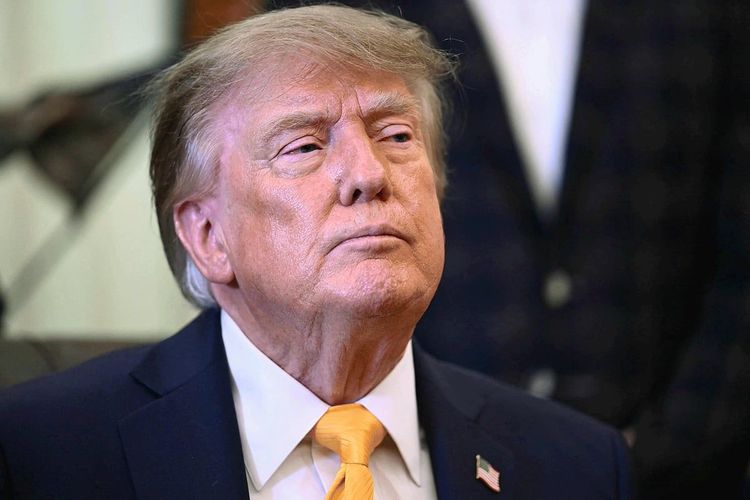
Despite Caine's reservations, President Donald Trump expressed confidence Thursday that the conflict would conclude soon.
"I think the war's got to end pretty soon. I don't think they can go much longer,"Trump told reporters in the Oval Office, reaffirming his commitment to preventing Iran from obtaining nuclear weapons.
Trump also voiced optimism regarding negotiations over the Strait of Hormuz, through which approximately 20 to 25 per cent of global seaborne oil trade—about 20 million barrels daily—transits, representing roughly one-fifth of world petroleum consumption.
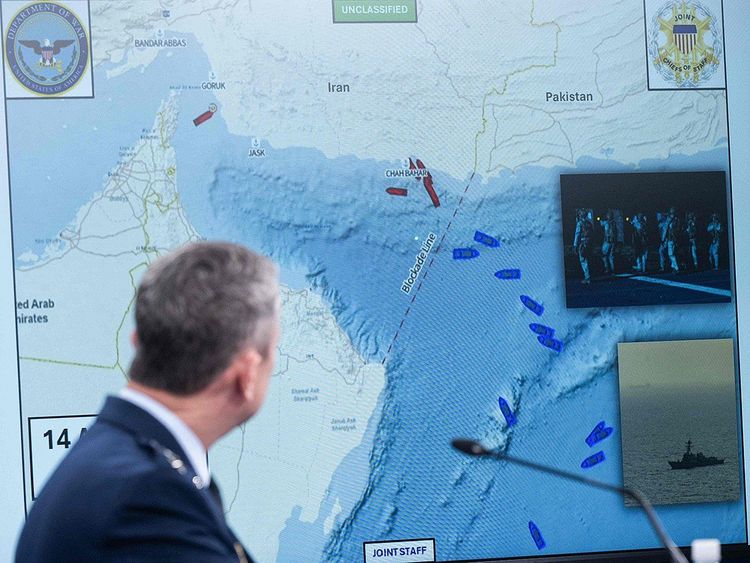
"We have a thing called the blockade headed up by the US Navy, and we control it,"Trump said, though he acknowledged the persistent threat of mines disrupting maritime traffic.
When asked about a possible agreement with Iran, Trump said negotiations remained "sort of open right now," adding that he was personally involved in the discussions.
Diplomatic tensions persist
Iran's Parliament Speaker Mohammad Bagher Ghalibaf, who has led the legislature since May 2020 and previously served as an Islamic Revolutionary Guard Corps commander and Tehran mayor, rejected what he characterized as American "theatre diplomacy" and pressure tactics. His comments reflect continued uncertainty following the collapse of a 14-point Memorandum of Understanding signed in June intended to halt hostilities.
Vice President JD Vance told Fox News that the administration would continue employing military, economic and diplomatic tools to secure favorable outcomes while maintaining that Iran would never be permitted to acquire nuclear weapons.
Meanwhile, US Secretary of War Pete Hegseth rejected media reports about critically low missile defense stockpiles.
"That banner is NOT TRUE, @CNN. Shame on you,"Hegseth wrote on social media platform X.
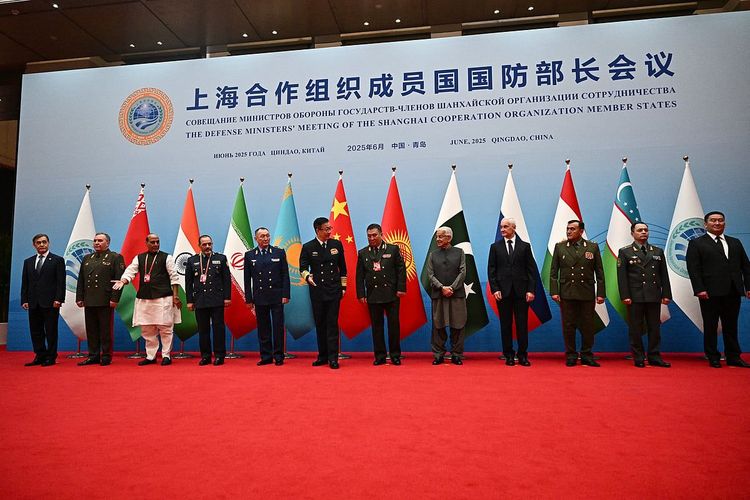
Iran's Acting Defence Minister Brigadier General Majid Ebn-e-Reza countered by asserting that Iranian Armed Forces remained fully prepared to counter external threats, emphasizing the country's domestic defence industry capabilities.
The developments unfold amid growing questions about whether renewed US-Iran diplomacy can succeed where previous attempts have failed, with Caine's push for an exit strategy gaining urgency as weapons inventories continue their steep decline.