US diplomats and families begin gradual return to Middle East posts after six-month evacuation
American diplomatic personnel and some family members are returning to embassies in Qatar, Kuwait, Bahrain, Israel and Lebanon as the State Department lifts evacuation orders that reached their 180-day legal limit, though significant restrictions remain in place.
US diplomats and families begin gradual return to Middle East posts after six-month evacuation
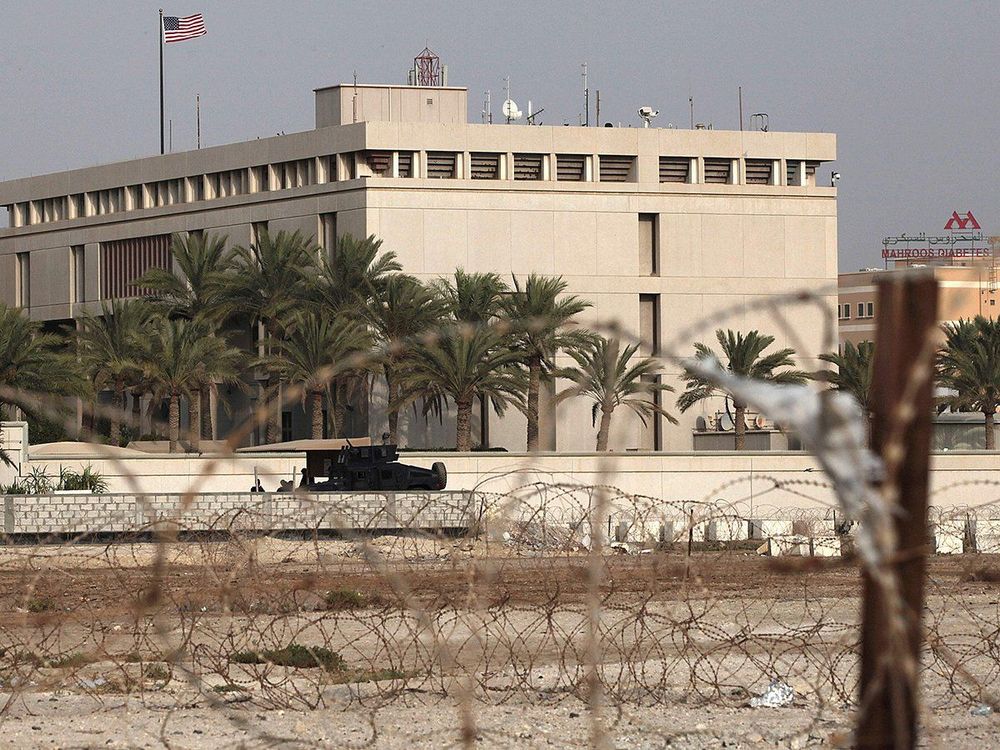
American diplomats and at least some of their family members have begun returning to US embassies across the Middle East after a six-month evacuation triggered by the early stages of the US-Iran war, though the process remains limited and conditions at many posts continue to restrict who may return.
The State Department has started lifting certain staffing restrictions this week, but embassies are not immediately returning to full strength. Under federal regulations, authorized departure and ordered departure statuses cannot exceed 180 days, forcing the department to either normalize operations or transition to a new "restricted operations" status with caps on in-country staffing.
On Friday, as the Iran war reached its six-month mark, the US embassies in Qatar, Kuwait and Bahrain announced they would permit diplomats' family members to return. However, in Bahrain and Kuwait, the authorization applies only to those aged 18 and older. Earlier in the week, all family members of US government employees in Israel received clearance to return, as did those over 21 working in Lebanon.
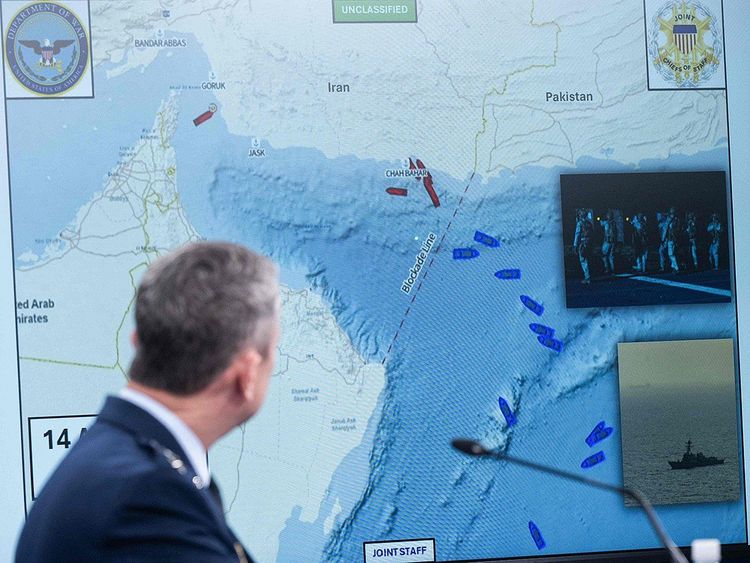
The phased return follows a chaotic period that began on March 2, when the State Department urged Americans in 14 Middle Eastern countries—including Bahrain, Egypt, Iran, Iraq, Israel, Jordan, Kuwait, Lebanon, Oman, Qatar, Saudi Arabia, Syria, the UAE and Yemen—to depart immediately using commercial flights due to serious safety risks.
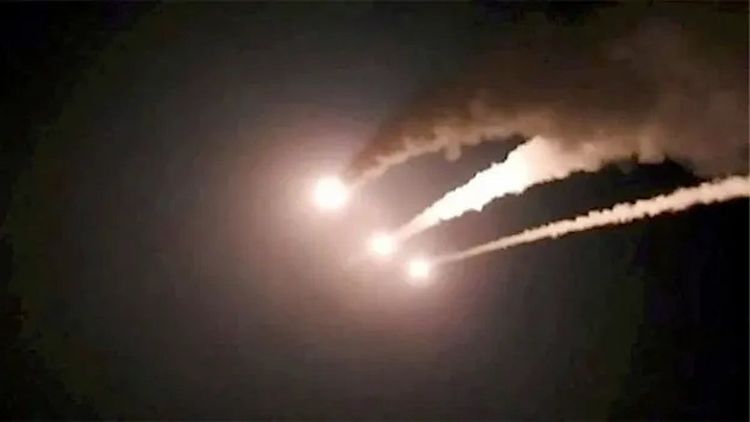
One day later, on March 3, the US Embassy in Riyadh was struck by drones, causing a small fire and minor material damage. The embassy closed and non-essential staff and families received ordered departure notices. Similar evacuation orders were implemented across the region as Iran retaliated against US and Israeli attacks by targeting American interests, including embassies and military facilities.
More than 1,000 families affected
The evacuations affected more than just diplomatic personnel. According to reports, more than 1,000 dependents of US Navy personnel in Bahrain were ordered to evacuate when the war began. After six months in temporary conditions, many families had been seeking clarity on their status as the 180-day deadline approached.
The changes in embassy status are not necessarily reflective of a fundamental shift in the Trump administration's Iran policy, which remains focused on economic rather than military pressure. Instead, the adjustments are largely driven by human resources regulations that limit how long diplomats may be away from their posts while still collecting pay and benefits for themselves and their families.
To address this legal constraint, the State Department created the new "restricted operations" status. This designation allows embassies to resume certain functions while maintaining security protocols. Each affected embassy will make case-by-case determinations on appropriate staffing levels, the presence of families, and compensation arrangements.
Return does not mean normalization
Officials and former diplomats have cautioned that the return should not be interpreted as a full normalization of embassy operations. Sources familiar with the plans indicated that the restricted operations status will likely mean no children and few spouses will be permitted to return to most affected posts. A former ambassador stated the status could potentially last for months, if not years.
As of August 28, the State Department maintained Level 3 "Reconsider Travel" warnings for Kuwait, Saudi Arabia, the UAE, Qatar and Bahrain, underscoring that security concerns persist despite the partial return of personnel.
The security situation that prompted the original evacuations remains a concern. In April, the US Embassy in Kuwait issued warnings that Iran and aligned groups may intend to target American facilities, including universities, across the region. At that time, commercial flights were suspended from Kuwait due to continuing threats of missile and unmanned aerial vehicle attacks, forcing Americans to use overland routes to Saudi Arabia.
Diplomats and their families were initially ordered to leave embassies in five other countries in the region during the early weeks of the war. Changes in their status are also anticipated soon as the six-month mark passes.
"We remain committed to supporting our workforce and their families throughout this process and will provide updates through appropriate channels as decisions are made," the State Department said in a statement.
The gradual return of diplomatic personnel represents a careful balance between resuming normal embassy functions and maintaining the safety of American government employees and their families. While the legal deadline forced action, officials emphasized that security conditions will continue to dictate the pace and scope of returns at each individual post.