UAE Residents' Update: ADNOC Vessels Attacked, Regional Defence Pact Signed, Flight Disruptions Continue
Fifteen ADNOC vessels have been struck by missiles and drones in the Strait of Hormuz amid ongoing US-Iran tensions, while Saudi Arabia, Turkey and Pakistan announce joint defence agreement. Flight cancellations and delays persist on Gulf routes.
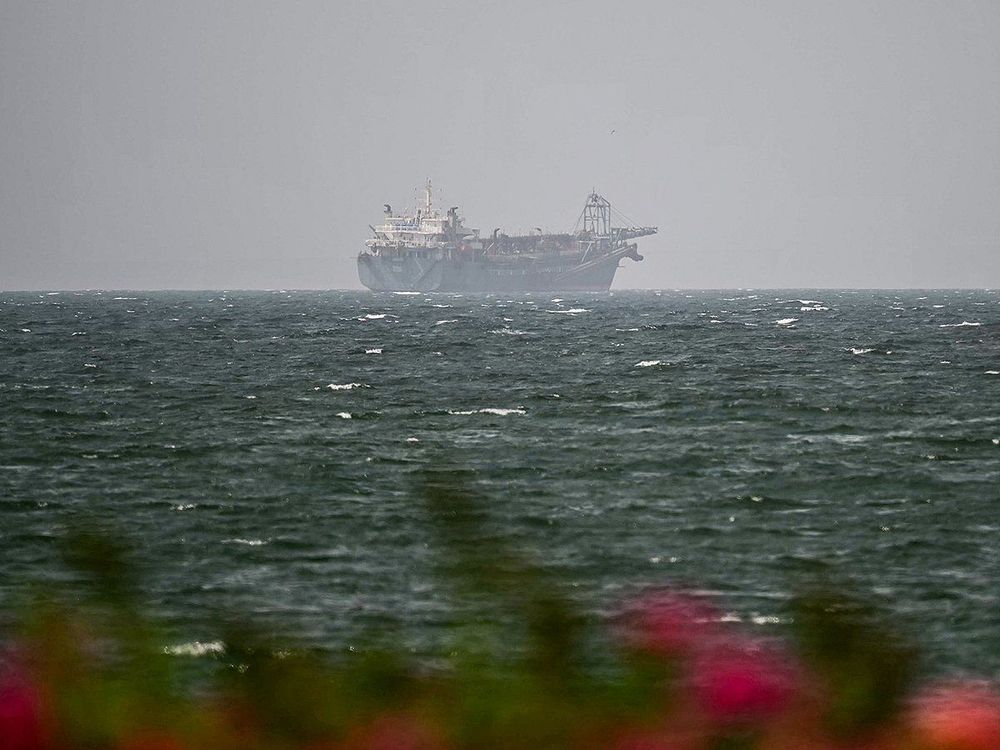
ADNOC Vessel Attacks in Strait of Hormuz
The escalating US-Iran conflict continued to affect the United Arab Emirates and the wider Gulf region on Friday, with developments centring on the strategic Strait of Hormuz that impact security, commerce and daily life for residents.
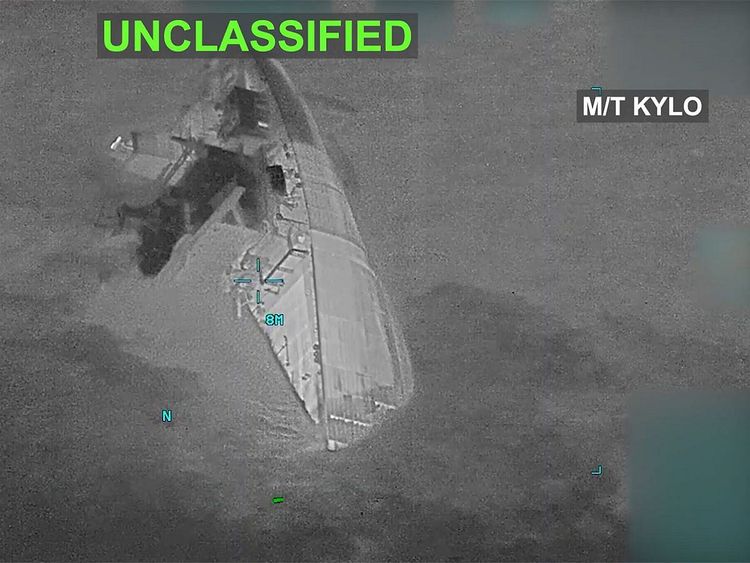
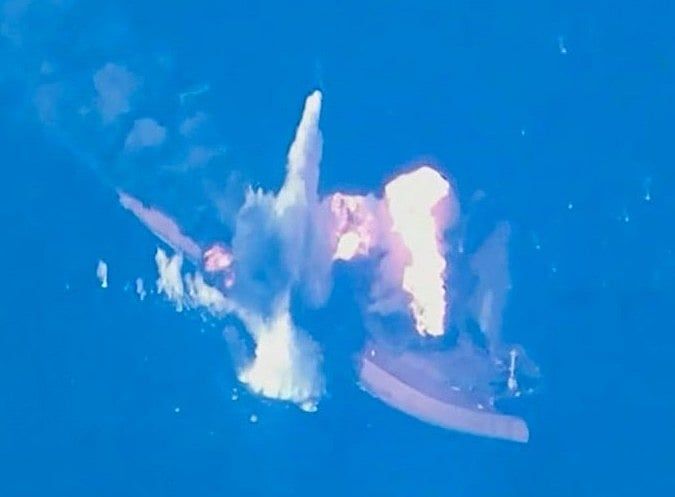
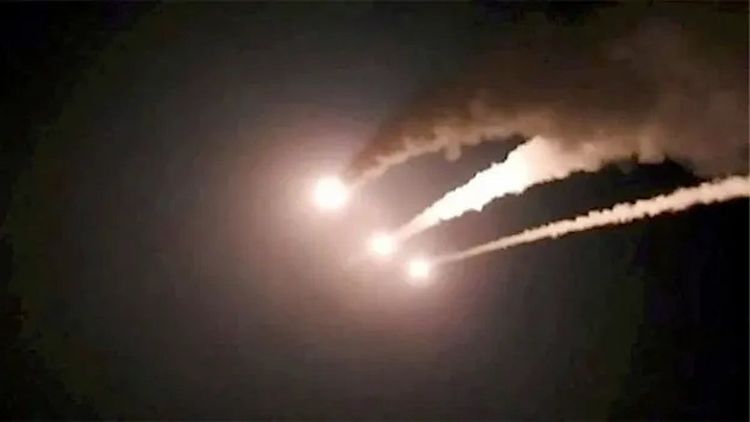
Abu Dhabi National Oil Company reported that 15 of its vessels have been targeted by missile and drone strikes while navigating the Strait of Hormuz since the conflict began. Three separate attacks occurred this week alone, resulting in one crew member's death and injuries to 20 others, underscoring the heightened risks facing commercial shipping in the vital waterway.
Regional Defence Agreement
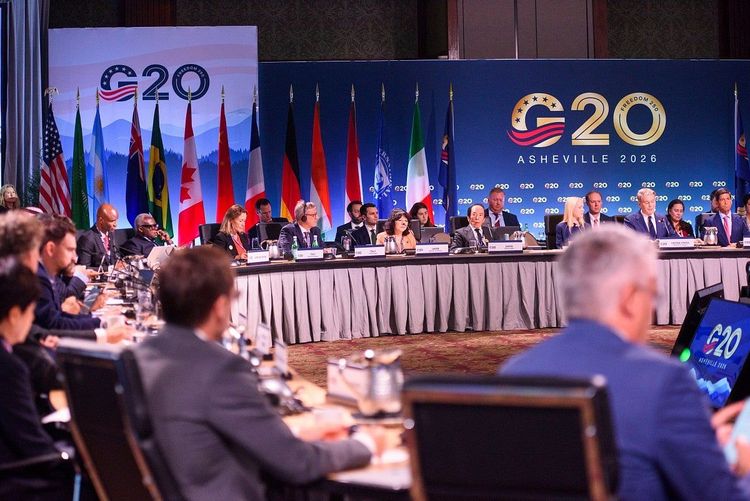
In a significant diplomatic development, Saudi Arabia, Turkey and Pakistan formalised the Mecca Joint Defence Agreement, establishing that an armed attack on any signatory would be treated as an attack on all three nations. Turkish officials subsequently clarified that the pact does not target any specific country and aims to bolster collective security and regional stability.
The agreement comes amid increased regional tensions following a Houthi attack in Saudi Arabia's Najran region that wounded 11 civilians, including Saudi, Egyptian, Yemeni and Pakistani nationals. The UAE issued a strong condemnation of the assault, describing it as a breach of Saudi sovereignty and pledging continued support for the Kingdom's security.
Strait of Hormuz Developments
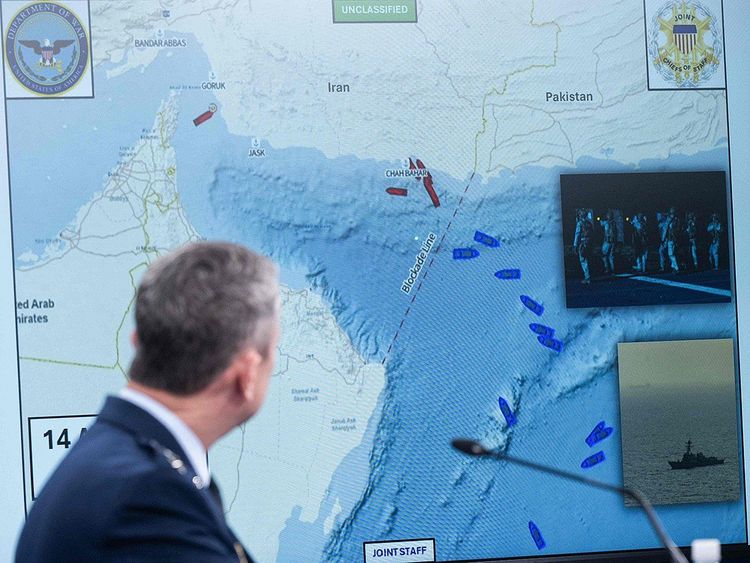
Iran and Oman are approaching completion of a proposed framework governing commercial shipping through the Strait of Hormuz, a critical passage for global energy supplies. However, Tehran has stated that finalising the agreement would not automatically reopen the waterway and has denied engaging in direct negotiations with the United States.
The strategic strait remains a central point of contention, with Iran maintaining restrictions on vessel movements and leveraging control of the route during broader negotiations. Marine traffic data indicates some commercial vessels are still transiting the waterway, whilst Iran's parliament reviews draft legislation that could establish formal regulations for shipping passage.
Flight Operations and Cancellations
Air travel from UAE airports remains largely operational, though certain routes to Bahrain, Kuwait and Doha continue experiencing cancellations and delays due to operational requirements and airspace restrictions.
Etihad Airways has cancelled flights between Abu Dhabi and Kuwait, with Bahrain services also affected. Emirates has suspended Dubai-Bahrain and Dubai-Kuwait operations. flydubai cancelled its Dubai-Bahrain service and delayed flights to Salalah.
Air Arabia has suspended multiple routes from Sharjah and Abu Dhabi, including services to Kuwait, Bahrain and Doha.
International carriers have extended service suspensions through the autumn. British Airways has halted flights to Dubai, Bahrain, Amman and Tel Aviv until 31 October. Singapore Airlines, Air Canada, Cathay Pacific, Finnair and ITA Airways have suspended Dubai services until 24 October. Lufthansa and Swiss will resume operations on 13 September, whilst KLM plans to restart on 23 August.
Turkish Airlines has restored Dubai and Abu Dhabi flights but maintains suspension of Iran routes. Philippine Airlines has extended its Dubai suspension until 2 October.
Traveller Guidance
Passengers departing from UAE airports should verify flight status before travelling to terminals, monitor airline applications and official websites for real-time updates, and ensure carriers have current contact information. Authorities recommend allowing additional time for potential delays and extended routing, whilst following official travel advisories before departure.
Regional focus remains fixed on the Strait of Hormuz as Iran and Oman continue shipping discussions alongside ongoing diplomatic efforts. Meanwhile, US-mediated technical discussions between Israel and Lebanon concluded in Rome, with officials characterising the talks as productive amidst continuing regional tensions.