UAE calls for immediate reopening of Strait of Hormuz at BRICS trade meeting
Minister of Foreign Trade Dr Thani Al Zeyoudi voiced the UAE's grave concerns over Iran's attacks on commercial shipping and the closure of the Strait of Hormuz at the 2026 BRICS Trade Ministers Meeting in Jaipur, calling for freedom of navigation and protection of global shipping routes.
UAE calls for immediate reopening of Strait of Hormuz at BRICS trade meeting
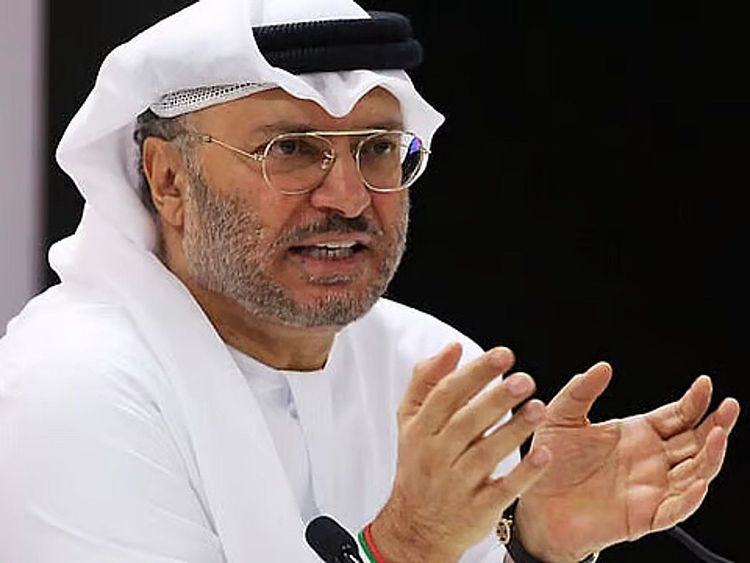
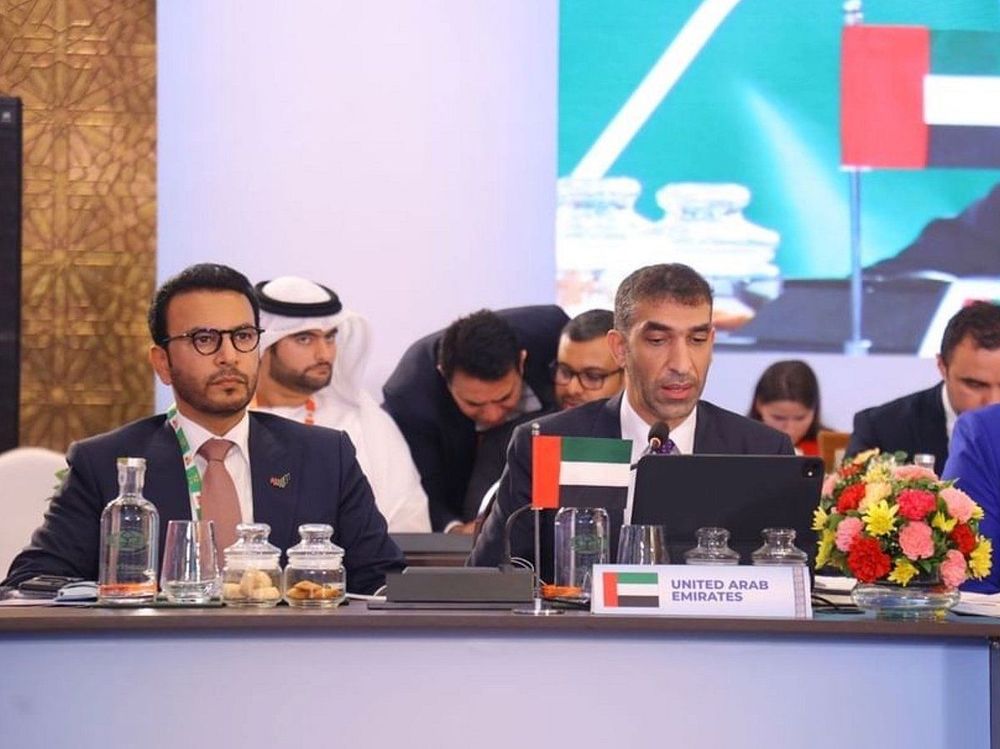
Dr Thani bin Ahmed Al Zeyoudi, Minister of Foreign Trade, participated in the 2026 BRICS Trade Ministers Meeting in Jaipur, India, where he underscored the UAE's grave concerns over Iran's attacks on commercial shipping and the continued closure of the Strait of Hormuz. The minister called for the strait's immediate and unconditional reopening and the protection of freedom of navigation and international shipping, in accordance with international law.
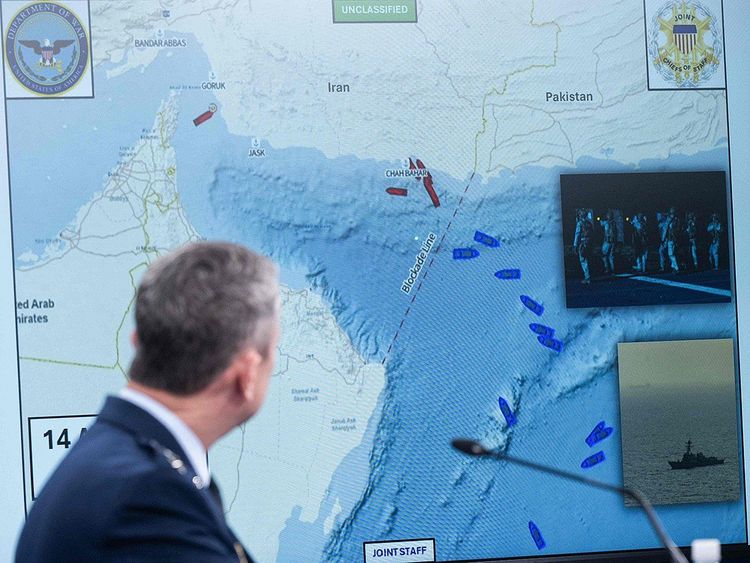
The Strait of Hormuz, which is approximately 21 nautical miles wide at its narrowest point and falls within Iranian and Omani territorial waters, serves as the world's most critical oil chokepoint. In 2025, approximately 25 per cent of the world's oil trade and 19 per cent of global liquefied natural gas trade transited through the waterway.
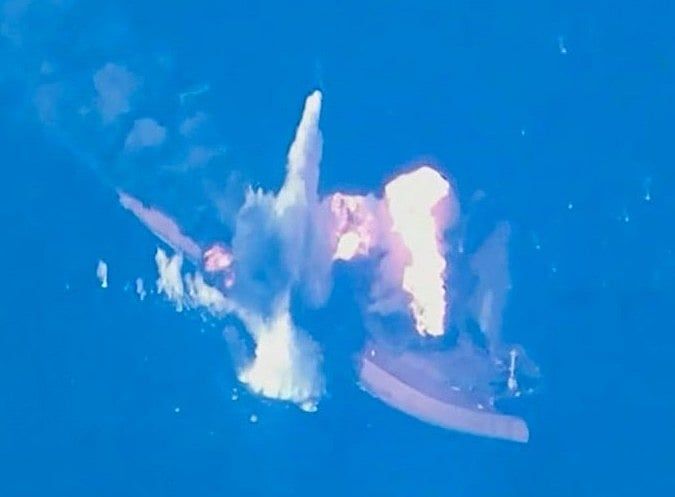
Iran closed the strait on February 28, 2026, in retaliation for U.S. and Israeli airstrikes on Iranian military targets, blocking what had been the world's most critical energy transit corridor. Major shipping companies including Maersk, MSC, CMA CGM, and Hapag-Lloyd suspended transits within 48 hours of the closure, with over 150 tankers anchoring outside the strait rather than risk attack.
A brief reopening occurred under a U.S.-Iran memorandum of understanding signed in June 2026, but the agreement broke down in early July after attacks on commercial vessels resumed.
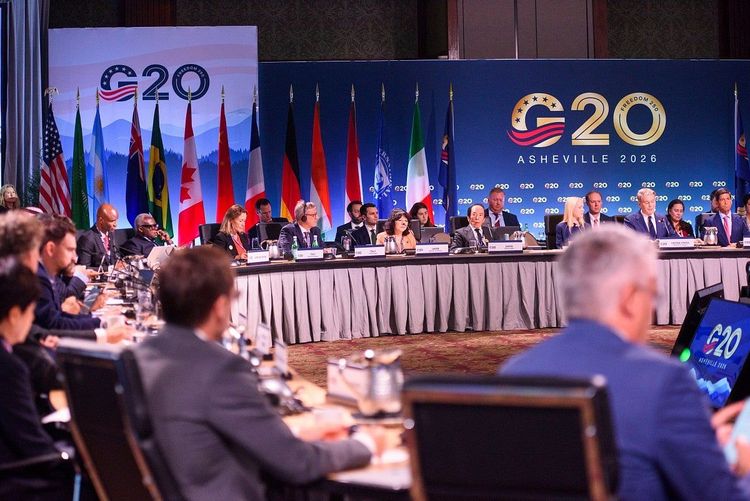
Hosted by India under its BRICS Chairmanship, the meeting at Maharani Mahal, Hotel Sawai Man Mahal, brought together trade ministers and senior officials from across the BRICS community to discuss safeguarding the multilateral trading system, fostering inclusive trade, empowering MSMEs, and reshaping global value chains amid accelerating digital transformation. Trade ministers were unable to reach consensus on a joint declaration at the conclusion of the meeting.
Bilateral discussions with key counterparts
Al Zeyoudi was joined by Abdulla Al Nuaimi, UAE Ambassador to India. While in Jaipur, the minister held bilateral discussions with key counterparts, including:
- Piyush Goyal, Union Minister of Commerce and Industry of India
- Li Chenggang, China International Trade Representative and Vice Minister of Commerce
- Dr Mohamed Farid Saleh, Minister of Investment and Foreign Trade of Egypt
- Dr Budi Santoso, Minister of Trade of the Republic of Indonesia
- Parks Franklyn Mpho Tau, Minister of Trade, Industry and Competition of South Africa
- Ilichev Vladimir Evgenievich, Deputy Minister of Economic Development of Russia
The discussions focused on strengthening bilateral trade and investment ties, expanding cooperation in priority sectors, and deepening private-sector engagement across key areas including services trade, digital commerce, logistics, and food security.
Strong trade growth with BRICS nations
Trade between the UAE and BRICS nations continues to record strong growth. In 2025, bilateral non-oil foreign trade between the UAE and BRICS member nations surpassed US$312 billion, a 28.5 per cent increase compared to US$243 billion in 2024. BRICS nations accounted for approximately 31 per cent of the UAE's total non-oil foreign trade in 2025.
India remains one of the UAE's largest trading partners globally, with bilateral non-oil trade reaching US$76.2 billion in 2025, a 17.3 per cent increase on the previous year. The bilateral meeting with Goyal provided an opportunity to review progress under the India-UAE Comprehensive Economic Partnership Agreement, which was signed on February 18, 2022, and entered into force on May 1, 2022, covering 11,908 tariff items and 11 service sectors with over 100 sub-sectors.
Al Zeyoudi said cooperation between emerging markets and developing economies is more important than ever at a time of heightened uncertainty in global trade. He described BRICS as an important platform for strengthening economic cooperation and supporting an open and predictable trading environment, adding that the UAE is committed to translating discussions into tangible outcomes for businesses and communities.
BRICS expansion and global economic weight
The BRICS community expanded from five to nine member nations in January 2024, when Egypt, Ethiopia, Iran, Saudi Arabia and the UAE became full members. Indonesia officially joined as the tenth full member on January 6, 2025, becoming the first Southeast Asian nation to join the bloc.
Together, these nations represent approximately 40 per cent of the world's population and account for approximately 40 per cent of global GDP measured by purchasing power parity, surpassing the G7's share of around 28 per cent.
The UAE's participation in the BRICS Trade Ministers Meeting complements its broader trade agenda, anchored by the Comprehensive Economic Partnership Agreement programme, which aims to increase non-oil foreign trade to US$1.1 trillion by 2031. Since its launch in September 2021, 38 agreements have been concluded with economies across Asia, Africa, Europe, and the Americas, with 18 in force, including agreements with fellow BRICS members India and Indonesia.