Trump declares US will maintain control of Strait of Hormuz amid naval blockade
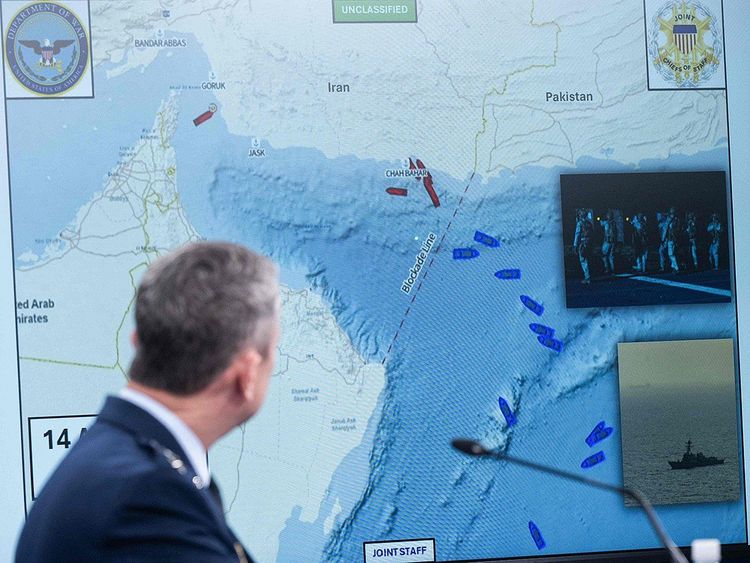
President Trump asserted Wednesday that the United States controls the strategic Strait of Hormuz and intends to keep it, describing the US naval presence as a 'wall of steel' as the standoff with Iran continues nearly six months into the conflict.
Trump declares US will maintain control of Strait of Hormuz amid naval blockade
President Donald Trump declared Wednesday that the United States controls the Strait of Hormuz and will maintain that control, escalating rhetoric over the strategic waterway through which nearly 15 million barrels per day of crude oil passed in 2025, representing approximately 34 percent of global crude oil trade.
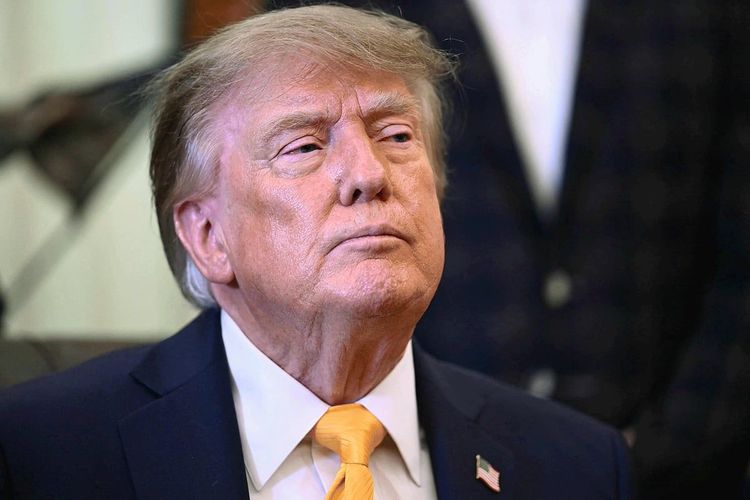
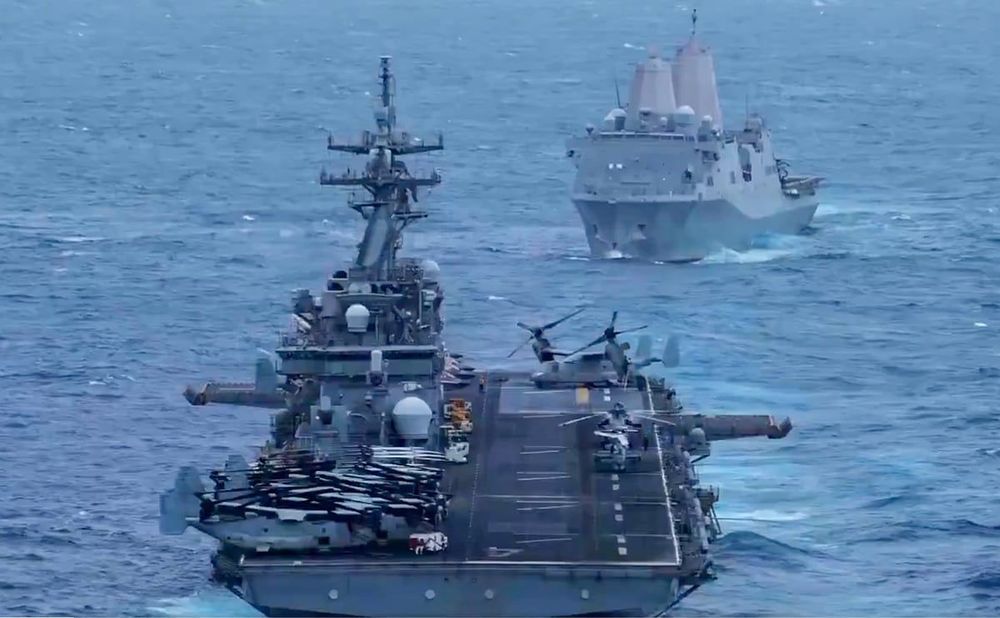
"The U.S.A. has total control over the Strait of Hormuz. I THINK WE WILL KEEP IT!" Trump wrote on his Truth Social platform. "Our Naval Blockade is being called, by everyone, 'A WALL OF STEEL,' and there is nothing Iran can do about it."
The strait, which measures approximately 21 nautical miles wide at its narrowest point with shipping lanes only about 2 miles wide in each direction, has become a central flashpoint in the US-Iran conflict that began February 28. The shipping lanes are located primarily in Omani territorial waters and partially in Iranian territorial waters.
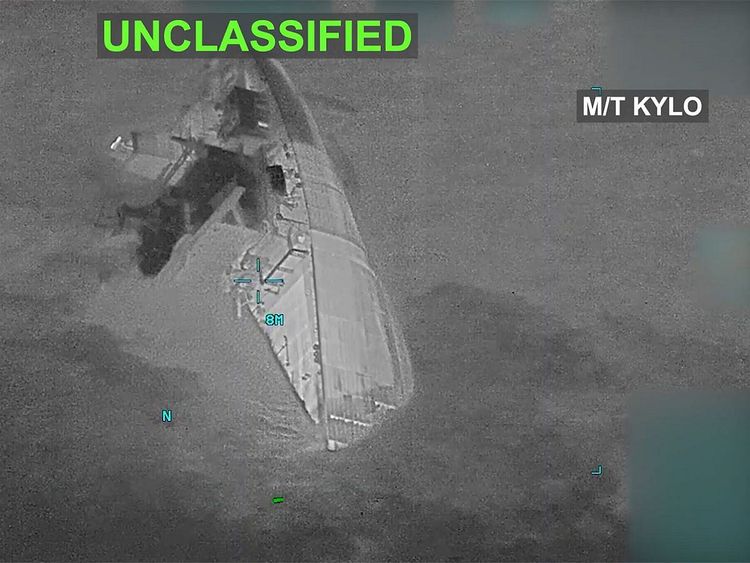
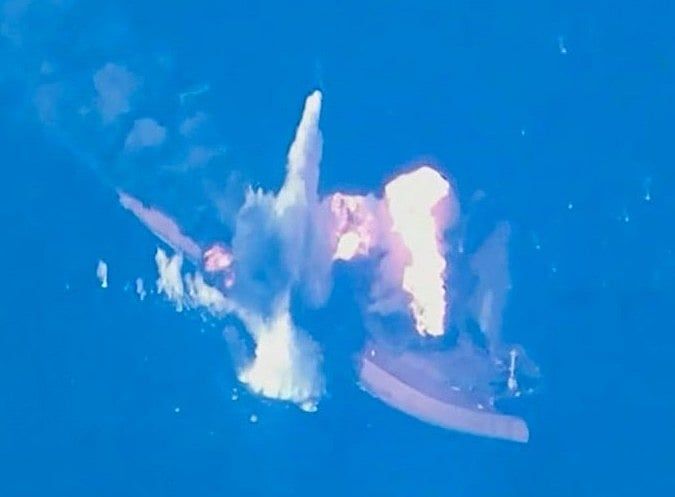
Iran has countered US claims by asserting it effectively controls much of the waterway and intends to impose a toll system in response to the American military action. Tehran has successfully struck shipping in the strait, disrupting the vital trade route and sending ripples through the global economy.
Economic stakes and regional impact
The disruption carries enormous economic consequences, particularly for Asian markets. China and India combined received 44 percent of crude oil exports through the strait in 2025, with Asian markets overall receiving approximately 84 to 89 percent of all oil transiting the waterway.
Saudi Arabia dominates the flow through Hormuz, accounting for approximately 38 percent of crude exports at about 5.5 million barrels per day, followed by Iraq at 22.8 percent and the UAE at 12.9 percent. The strait also handles significant liquefied natural gas trade, with about 93 percent of Qatar's and 96 percent of the UAE's LNG exports transiting through the passage, representing approximately 19 to 20 percent of global LNG trade.
Military standoff continues
The US Fifth Fleet, headquartered at Naval Support Activity Bahrain in Manama with an area of operations encompassing approximately 2.5 million square miles including the Arabian Gulf, Gulf of Oman, Red Sea, and parts of the Indian Ocean, has been implementing Trump's blockade strategy.
Late Tuesday, Trump told reporters: "We have total control over the Hormuz Strait right now. They don't have control. We have total control. We own it."
US and Israeli forces have heavily bombed Iran's military infrastructure and killed numerous members of the country's leadership during the nearly six-month war, which was launched initially with goals including forcing Tehran to abandon its nuclear power program and pursuing regime change.
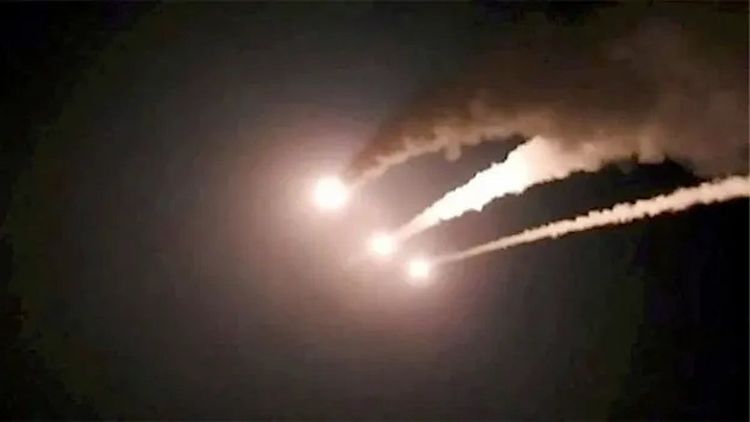
Iran has responded with missile attacks on US bases in the region, Israel and targets in US-allied Gulf countries. The strikes on shipping in Hormuz have proven Tehran's most effective response, successfully snarling the trade route.
Strategic shift amid political pressure
With his political popularity declining at home ahead of the November midterm congressional elections, Trump has backed away from threats to escalate the war in search of a decisive victory, leaving the conflict in a standoff.
The Republican president indicated the United States is prepared to focus on blockading Iranian ports in what he described to Axios as a "low-keying" strategy.
"We are only semi-negotiating with them. We are just watching Iran with its huge inflation and the fact they have no money," Trump told Axios on Sunday.