Iranian MP claims seizing single US base would end war with America
Former foreign minister Manouchehr Mottaki asserts that capturing one American military installation would determine the outcome of Iran's conflict with the United States, echoing hostage-crisis era tactics amid stalled diplomatic efforts.
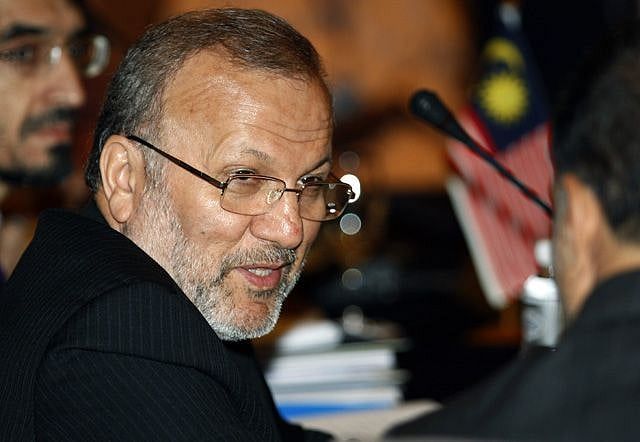
Seizing one US base would decide war against 'largest imperialist army': Iranian hardliner MP
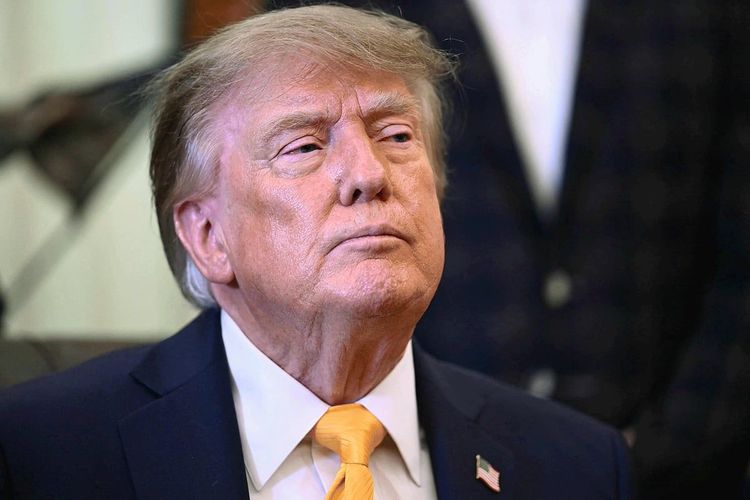
Manouchehr Mottaki, Iran's former foreign minister and current Tehran representative in parliament, declared that seizing a single American military base would settle the fate of the war against what he called "the largest imperialist army in the world."
"If we capture just one of the American bases, we will finalise and finish the fate of the war," Mottaki said in a recent speech, according to video widely circulated on social media and covered by Iranian outlets including SNN.
His remarks come amid an escalating US-Iran confrontation that began with joint American-Israeli strikes in late February 2026. The United States maintains approximately 40,000 to 50,000 troops across at least nineteen military installations throughout the Middle East, with eight classified as permanent bases in countries including Bahrain, Egypt, Iraq, Jordan, Kuwait, Qatar, Saudi Arabia, and the UAE.
Pattern of escalating proposals
Mottaki, who served as foreign minister from 2005 to 2010 under President Mahmoud Ahmadinejad before his abrupt dismissal in December 2010 while on an official visit to Senegal, has repeatedly advocated similar strategies in recent months.
In a June 2026 appearance on Iranian Channel 1, he argued Iran could conduct a "serious ground war" and proposed seizing a base to take approximately 100 American personnel hostage and transfer them to Iran. By July, during an IRINN TV interview, he escalated further, suggesting Iran could occupy bases in Iraq, Kuwait, or Bahrain with local support and capture around 200 US prisoners to "completely disarm" the United States.
These proposals deliberately echo Iran's 1979 hostage crisis strategy, when Iranian students seized the U.S. embassy in Tehran and held 52 Americans captive for 444 days. Mottaki has framed his current recommendations as responses to US airstrikes, threats involving sites such as Kharg Island—through which approximately 90-96% of Iran's crude oil exports pass—and the death of Supreme Leader Ali Khamenei, which Iranian officials attribute to American and Israeli actions.
Strategic targets across the Gulf
The American bases Mottaki references as potential targets include some of the region's most strategically significant installations. Al Udeid Air Base in Qatar, the largest US military facility in the Middle East, hosts approximately 10,000 to 13,000 American troops and serves as the forward headquarters for US Central Command. Kuwait maintains over 13,000 American personnel at facilities including Camp Arifjan and Ali Al Salem Air Base, housing US Army Central's forward headquarters.
The US Navy's Fifth Fleet headquarters in Bahrain oversees an area of operations encompassing approximately 2.5 million square miles of water, including the Persian Gulf, Red Sea, Gulf of Oman, Arabian Sea, and parts of the Indian Ocean. Iranian missiles struck near this facility on February 28, 2026, in what Tehran described as retaliation for earlier US and Israeli strikes.
Diplomatic deadlock and military posturing
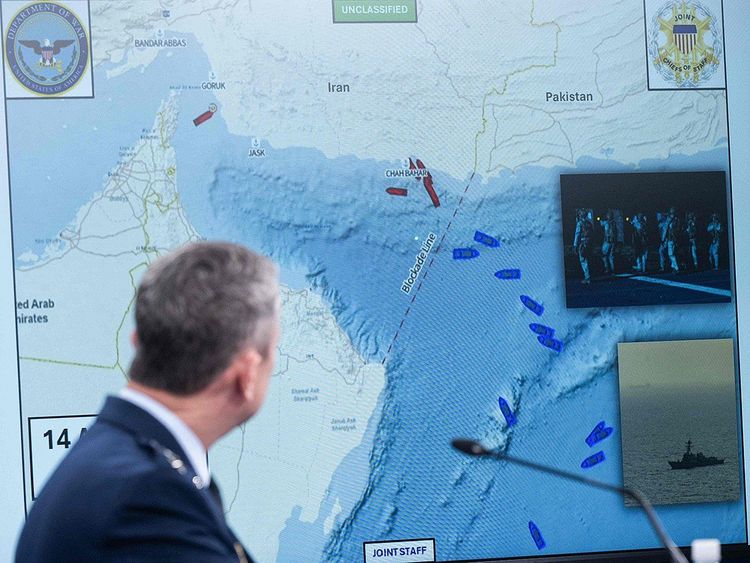
Mottaki's statements arrive as a 60-day period under a June 2026 US-Iran Memorandum of Understanding aimed at ending hostilities and addressing Strait of Hormuz concerns expired without yielding a permanent agreement. Negotiations have stalled amid mutual accusations of violations, continued military exchanges, Iranian threats of shifting to a "fully offensive" posture, and US naval measures affecting shipping and Iranian oil flows.
He has also urged declaring Jordan and six Gulf states as hostile entities, making their territories legitimate targets, and warned Ukraine over UAV supplies to American forces.
Skepticism from analysts
Independent analysts and observers have widely characterized Mottaki's base-seizure scenarios as highly ambitious and logistically challenging, citing US air superiority, intelligence capabilities, regional geography including water barriers to some installations, and the rapid response potential of American and allied forces.
The 1991 Gulf War, when a US-led coalition swiftly expelled Iraqi forces from Kuwait, is frequently referenced as historical precedent demonstrating the effectiveness of American air power and rapid deployment capabilities against conventional ground operations in the region.
Reactions online range from dismissing the comments as propaganda to concern that they signal intent to escalate beyond missile and proxy warfare. Whether Mottaki's statements reflect operational planning or primarily serve domestic messaging remains unclear, as Tehran has not publicly confirmed preparations matching the scale of a base-seizure operation.
Iranian state media continues highlighting defensive and offensive preparations, while US officials focus on degrading Iranian capabilities through military and economic pressure. The persistent hardline rhetoric from segments of Iran's political establishment continues even as diplomatic channels remain intermittently active through mediators.