Russian strike on Zaporizhzhia kills five as missile defence crisis deepens
A Russian attack on Ukraine's sixth-largest city killed five people and wounded 20, while severe shortages of interceptor missiles leave the country vulnerable to escalating ballistic missile strikes.
Russian strike on Zaporizhzhia kills five as missile defence crisis deepens
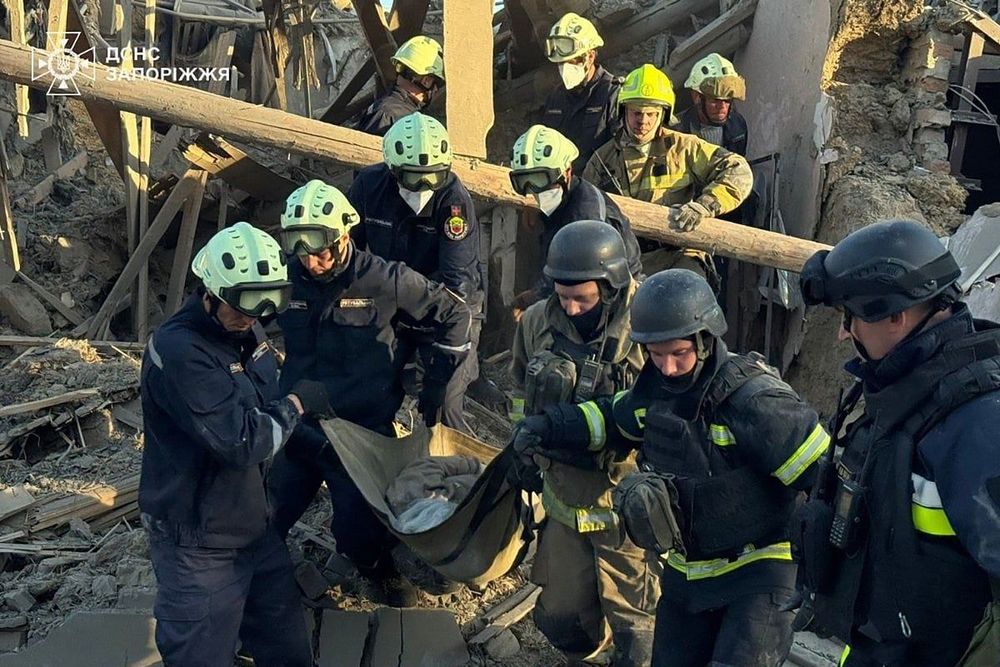
A Russian attack on the southeastern Ukrainian city of Zaporizhzhia killed five people and wounded 20 on Tuesday, as explosions echoed through the capital Kyiv during what authorities described as a ballistic missile strike.
Ivan Fedorov, head of the regional military administration, confirmed the rising toll on social media. "Five people killed, a further 20 wounded: sadly, the number of casualties continues to rise following the enemy attack on Zaporizhzhia," he wrote.
The strike targeted Zaporizhzhia, Ukraine's sixth-largest city with a population of approximately 712,000. Located about 340 miles southeast of Kyiv on both sides of the Dnieper River, the city serves as a major industrial and energy hub.
Russian forces struck industrial facilities and infrastructure in the attack, damaging a garage cooperative and residential buildings, according to Fedorov. The assault represents the latest in an intensifying campaign of long-range missile strikes that Moscow has deployed against Ukrainian cities in recent weeks.
Ballistic missile attack on Kyiv
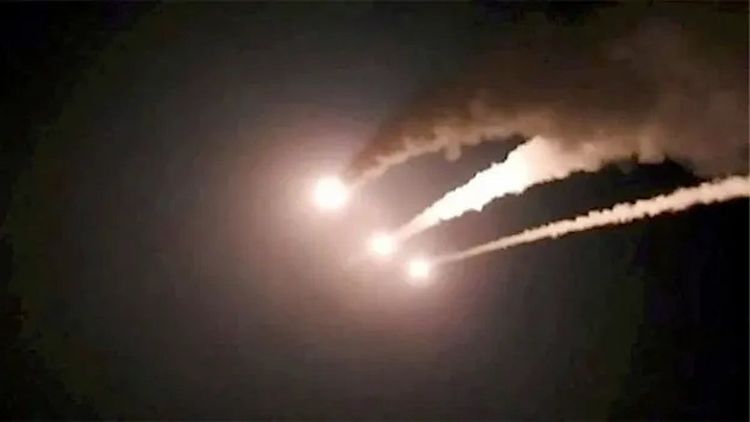
Shortly after midnight local time, a series of loud explosions rang out across Kyiv following warnings of approaching missiles. Mayor Vitali Klitschko said the capital was "under ballistic missile attack" and confirmed that emergency services had been dispatched to the Shevchenkivsky district. City authorities reported at least one person wounded.
The attacks come as Ukraine faces a severe shortage of the PAC-3 interceptor missiles needed to defend against such strikes. Only certain air defence systems, including US Patriots, can intercept the ballistic missiles Russia has increasingly deployed.
Ukraine's interceptor stockpile crisis has worsened dramatically since the United States and Israel launched a war against Iran in February. That conflict rapidly depleted PAC-3 missile supplies, with the Pentagon prioritizing American military needs over Ukrainian requirements. By early July, Ukraine's PAC-3 stocks were reportedly exhausted, with fewer than 20 missiles expected from allies including Poland.
The shortage is compounded by limited production capacity. Lockheed Martin manufactures only around 500 to 600 PAC-3 missiles annually, creating a global shortfall amid high demand. Each interceptor costs approximately four million dollars.
North Korean military support expands
President Volodymyr Zelensky warned earlier that Russia is preparing to deploy additional North Korean troops and has received new ballistic missiles from Pyongyang. According to Ukrainian military intelligence, North Korea has deployed a missile unit with approximately 90 personnel to Russia's Voronezh region, equipped with up to 120 KN-23 and KN-24 ballistic missiles and six launchers.
This deployment follows North Korea's supply of approximately 150 such missiles to Russia between late 2023 and August 2025. Russia used two North Korean missiles in an attack on July 30, marking their first recorded deployment since August 2025.
The PAC-3 shortage has become particularly acute because these interceptors are among the only systems capable of stopping Russian Iskander-M ballistic missiles, which carry half-ton warheads capable of destroying sections of apartment buildings.
Meanwhile, Ukraine has been increasing its own strikes against Russian cities far from the border, as the conflict that began with Russia's full-scale invasion in February 2022 continues into its fifth year.