Oil tanker reportedly struck by Iranian missiles off Oman coast in Strait of Hormuz
Unverified reports claim Iran fired anti-ship cruise missiles from southern Iran at an oil tanker transiting near Oman, setting the vessel ablaze. Official confirmation from maritime authorities remains pending.
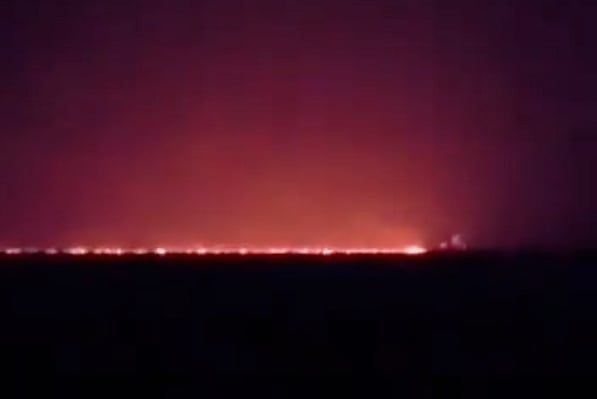
Oil tanker reportedly struck by Iranian missiles off Oman coast in Strait of Hormuz
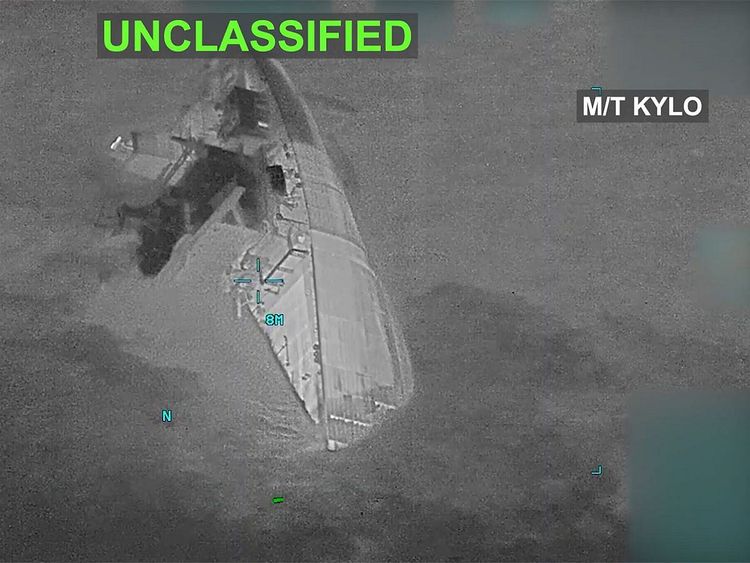
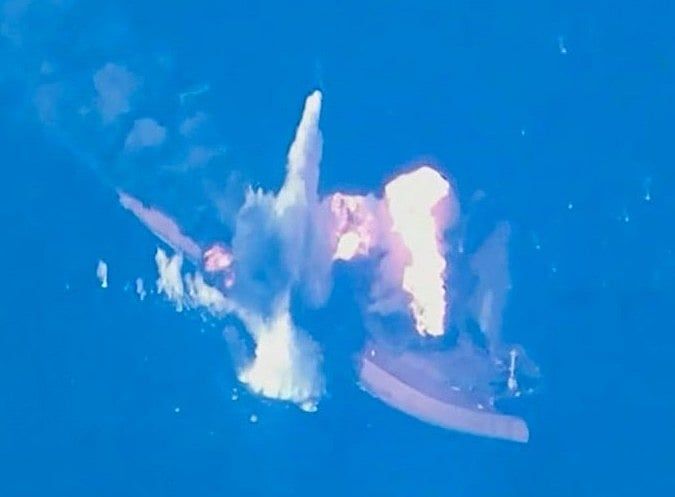
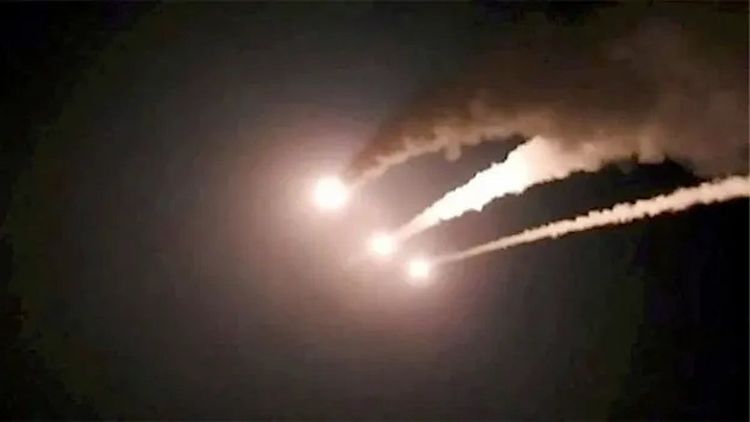
An oil tanker was reportedly struck by Iranian anti-ship cruise missiles early Monday morning while transiting the southern shipping corridor of the Strait of Hormuz off the coast of Oman, according to unverified reports circulating on social media.
The vessel was allegedly hit by missiles launched from the area of Sirik in southern Iran and is said to be on fire, according to posts on the social media platform X. The incident was first reported by the account Hormuz Letter around 21:23 UTC on August 9, 2026, accompanied by video footage showing a bright red glow and what appears to be a fire or explosion on the horizon at night, filmed from a rocky shoreline.
Strategic importance of the Strait of Hormuz
The Strait of Hormuz, a narrow waterway approximately 21 nautical miles wide at its narrowest point between Iran and Oman's Musandam Peninsula, handles roughly 20.3 million barrels of petroleum and crude oil daily, representing about 25 percent of global seaborne oil trade. The strategic chokepoint also carries approximately 20 percent of the world's liquefied natural gas trade, primarily from Qatar and the UAE.
Lack of official confirmation
As of early Monday, the reports remained unconfirmed by official sources including the United Kingdom Maritime Trade Operations, U.S. Central Command, Iranian state media, or major international news outlets. No details have emerged regarding the tanker's identity, flag, ownership, cargo, crew status, or the extent of any damage or casualties.
UKMTO, a Royal Navy-sponsored organization that has provided verified security information to mariners in the Middle East and Indian Ocean Region for over 25 years, has not issued a warning regarding this specific incident. The agency's most recent alert, Warning 108-26 dated August 8, 2026, cited a vessel struck by an unknown projectile 18 nautical miles east of Khasab, Oman, which caused a fire that was subsequently extinguished.
Some social media accounts claimed the tanker was hit by four missiles and suggested another vessel may have been targeted, along with unconfirmed reports of a U.S. MQ-9 drone being downed over southern Iran. These claims could not be independently verified.
Context of ongoing regional tensions
The reported attack would mark the latest in a series of incidents affecting commercial shipping in the region since the outbreak of conflict between the United States, Israel, and Iran on February 28, 2026. Following the initial hostilities, approximately 90 percent of traffic through the strait was diverted to avoid the conflict zone, with diversions rising above 95 percent when Iran threatened to attack ships, causing oil prices to surge worldwide.
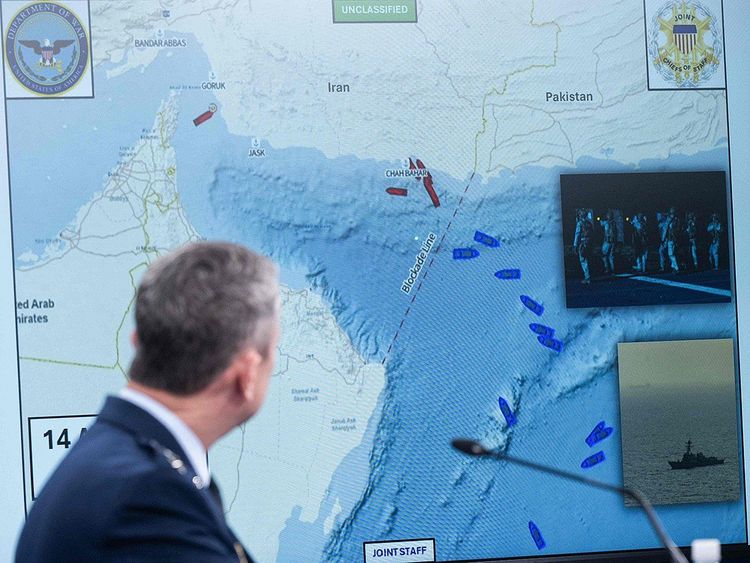
Iran has previously targeted vessels using the southern corridor near Oman, routes promoted as safer alternatives positioned farther from Iranian-controlled waters, while asserting that ships must follow Tehran-designated paths. The area around Sirik has strategic military significance for Iran, which opened a naval base near the port in Hormuzgan Province in September 2020, strategically located east of the Strait of Hormuz on the Gulf of Oman side.
Earlier incidents this year have included drone and missile strikes on tankers and cargo ships, resulting in fires, structural damage, crew injuries or deaths in some cases, oil spills, and periodic U.S. retaliatory strikes on Iranian military infrastructure.
Global economic implications
Disruptions to shipping through the strait have significant global economic implications, particularly for Asian markets. China and India together receive over half of all oil volumes passing through the waterway, with Asian countries collectively receiving approximately 84 to 89 percent of crude oil transiting the strait.
Recent days have seen additional reports of vessel strikes off Oman, alongside Iranian statements that the strait will not fully reopen until the United States changes its approach to the region. Shipping traffic through the vital chokepoint remains heavily disrupted, with periods of reduced transits, temporary ceasefires, and renewed tensions.
If confirmed, such attacks typically drive up maritime insurance costs, force shipping diversions, and can pressure oil prices, though market reactions depend on verification of incidents and the scale of any disruption to energy flows.