Pakistan says Saudi-Turkey defence pact is purely defensive, not aimed at any country
Pakistan's Deputy Prime Minister Ishaq Dar clarifies that the Mecca Joint Defence Agreement with Saudi Arabia and Turkey is defensive in nature and remains open to regional states committed to peaceful cooperation.
Pakistan says Saudi-Turkey defence pact is purely defensive, not aimed at any country
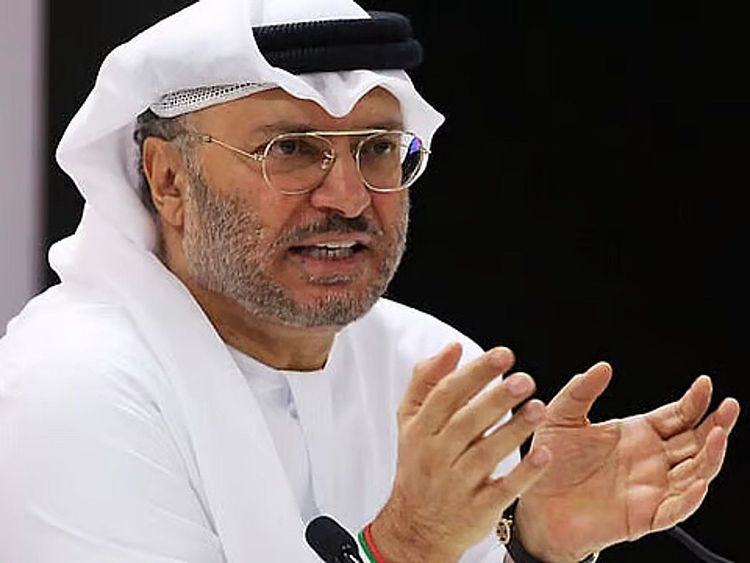
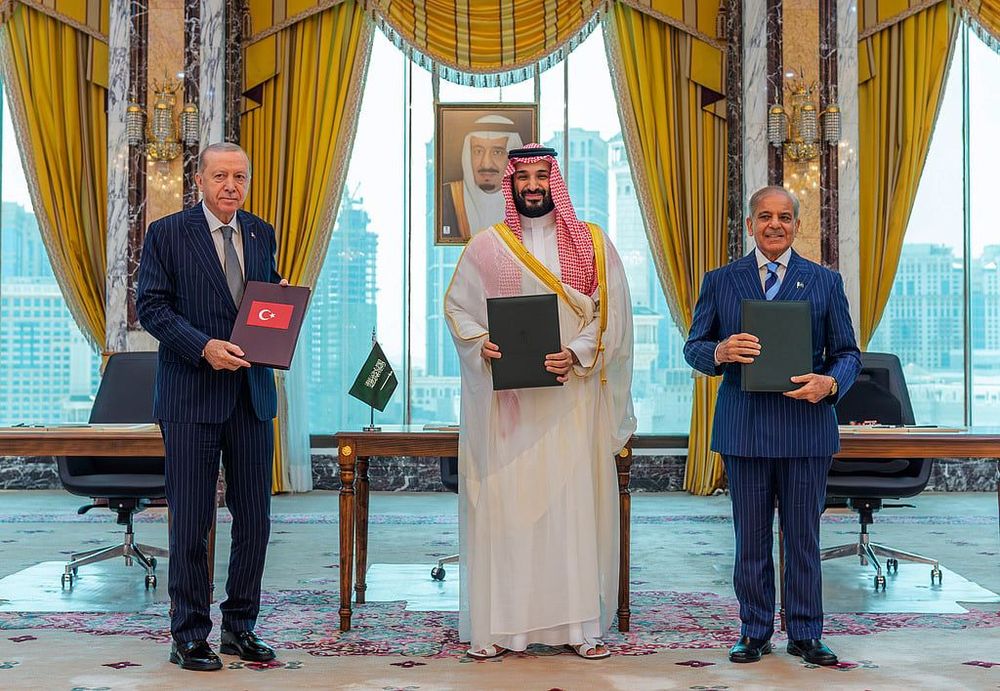
Pakistan's Deputy Prime Minister Ishaq Dar said Sunday that the Mecca Joint Defence Agreement with Saudi Arabia and Turkey is purely defensive and not targeted at any particular country, emphasizing the accord's focus on regional stability and cooperation.
The trilateral pact, signed by the leaders of Pakistan, Saudi Arabia and Turkey in Mecca on Friday, establishes that an external armed attack on any one of the three countries will be considered an attack on all. The agreement builds on the Strategic Mutual Defence Agreement signed between Saudi Arabia and Pakistan on September 17, 2025, at Al-Yamamah Palace in Riyadh, which established a bilateral collective-defence commitment between the two countries.
Years of strategic coordination
In a statement posted on social media, Dar said the agreement resulted from years of discussions and coordination among the three nations. Negotiations toward the trilateral pact ran for nearly a year, beginning in the weeks after the bilateral Saudi-Pakistani defence agreement of September 2025.
The accord aims to strengthen strategic cooperation to address regional peace and security challenges while promoting stability and prosperity, Dar said. He stressed that the agreement does not replace or override any existing bilateral or multilateral agreements between the three countries or with other nations and organizations.
The defence cooperation among the three countries has deep roots. Saudi Arabia and Pakistan have maintained defence ties since 1967 when they signed their first defence protocol, which was expanded in 1982 to include stationing of Pakistani troops in the Kingdom for defence purposes as well as military training, defence production and joint exercises. Turkey and Pakistan had previously deepened their own defence ties through exchanges of warships and training aircraft, while Saudi Arabia agreed to purchase Turkish drones in 2023.
Military capabilities and deployments
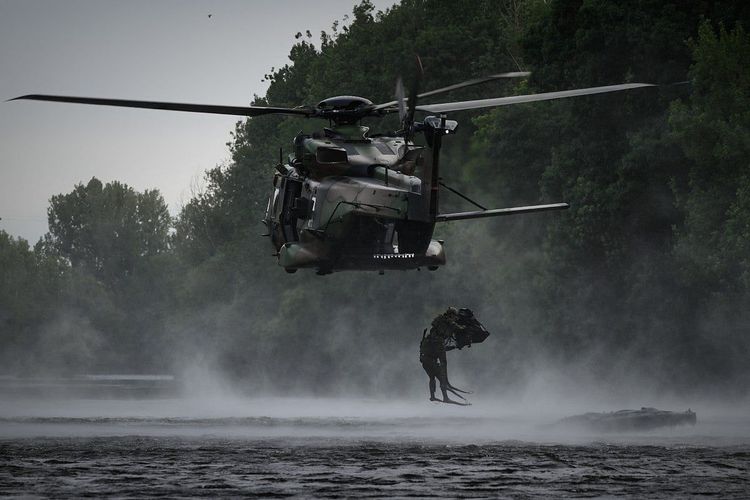
The alliance brings together significant military capabilities. According to the 2026 Global Firepower Index, the combined forces of the three countries include approximately 1.4 million active military personnel, 3,400 aircraft, 6,000 tanks and more than 340 naval assets.
Each country contributes unique strategic assets to the partnership. Pakistan is the only Muslim-majority nation with nuclear weapons, Turkey has NATO's second-largest military, and Saudi Arabia is the world's top oil exporter.
By mid-2026, Pakistan deployed several thousand troops, fighter aircraft, drones and an air-defence system to Saudi Arabia following the bilateral 2025 agreement, demonstrating concrete military cooperation already underway before the trilateral pact was signed.
Legal framework and UN Charter
Dar emphasized that the provision for collective defence is consistent with the right to individual and collective self-defence under Article 51 of the UN Charter. Under Article 51, member states may exercise their right of self-defence until the Security Council has taken the necessary measures to maintain international peace and security, and measures taken in self-defense must be immediately reported to the Security Council.
The Makkah Accord is purely defensive in nature. It is not targeted against any country and its sole purpose is to further strengthen our ongoing efforts towards peace, stability and prosperity in the wider region.
Open to regional participation
Dar said the agreement remains open to any country in the region willing to uphold its principles and resolve differences through mutual respect, cooperation and peaceful means. He reaffirmed Pakistan's commitment to the peaceful resolution of conflicts and to building a more secure, stable and prosperous future for the region.
The accord was signed amid heightened regional tensions, including the 2026 Iran war that began in February 2026, as well as renewed fighting between Saudi Arabia and the Yemeni government against Houthi militia in Yemen. In April 2026, Saudi Arabia announced an $8 billion financial support package for Pakistan to help stabilize Pakistan's foreign reserves, demonstrating the economic dimension of the strategic partnership alongside military cooperation.
Dar said the agreement is consistent with Pakistan's foreign policy and that Islamabad would continue working with countries in the region towards lasting peace and stability.