Netanyahu threatens Gaza strikes over kites and drones as Hamas denounces 'threatening children'
Israeli PM warns of intensified targeted strikes if launches from Gaza don't stop immediately, while Hamas accuses Israel of using children's kites as pretext for escalation.
Netanyahu threatens Gaza strikes over kites and drones as Hamas denounces 'threatening children'
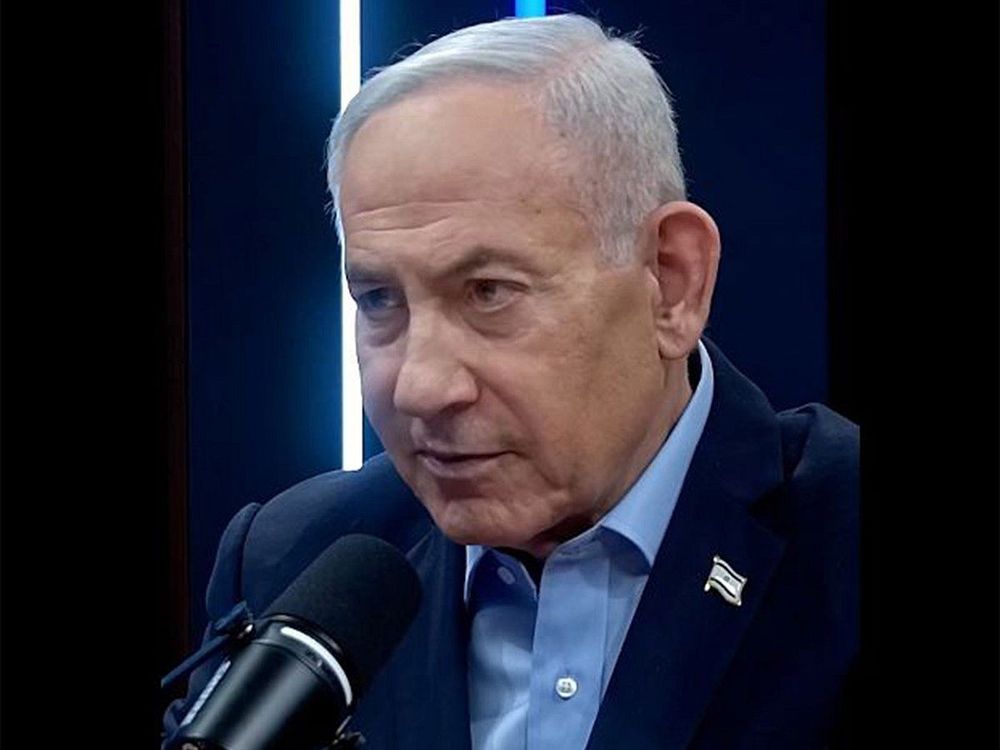
Israeli Prime Minister Benjamin Netanyahu issued a stern warning to Hamas on Monday, threatening to escalate targeted strikes against those responsible for launching drones, balloons and kites from the Gaza Strip if the launches do not cease immediately. Hamas responded by accusing Israel of fabricating a pretext to intensify attacks on Gaza.
Netanyahu and Defence Minister Israel Katz held a situational assessment Monday evening regarding the threat posed by airborne devices launched from Gaza. The meeting, attended by Chief of the General Staff Lt. Gen. Eyal Zamir—who assumed command of the IDF in March 2025 following his predecessor's resignation over the October 7, 2023 attack—and senior military officials, resulted in a direct warning to the Palestinian militant group.
Israel warned that if the launches toward its territory do not stop immediately, the IDF will increase targeted strikes against those responsible and evacuate populations from areas used as launch sites for kites, drones and balloons. Netanyahu clarified that there would be no return to the situation before October 7, 2023, stating that Israel will not allow Hamas or any other element in Gaza to threaten Israeli communities or compromise citizens' sense of security.
Historical precedent for Israeli concerns
The Israeli response reflects concerns rooted in past incidents. In 2018, Palestinians in Gaza launched widespread airborne arson attacks using incendiary kites and balloons during the Great March of Return border protests. These attacks, which included balloons carrying pre-lit Molotov cocktails and devices with time fuses designed to delay ignition until crossing the border, started 678 fires by July of that year. By the end of 2018, over 7,000 acres of Israeli woodland and agricultural land had been burned, causing millions of shekels in damages, killing livestock and destroying bee hives.
Hamas denounces Israeli threats
Hamas spokesperson Hazem Qassem rejected Israel's characterization of the situation, accusing the country of threatening children and fabricating pretexts for escalation. In a statement on the group's website, Qassem called on the United States, mediating and guarantor states, and the UN Security Council to pressure Israel to halt what he described as escalation in Gaza designed to unravel the ceasefire.
The Palestinian side remains fully committed to the ceasefire agreement, Qassem said, suggesting that Israel's focus on kites flown by Palestinian children represents an attempt to create justification for renewed military action.
Targeted strike on weapons facility
In a separate security development, Israeli forces conducted precision strikes targeting Ismail Abu Ful, described as a commander operating within a weapons manufacturing site belonging to Hamas's production headquarters. According to the IDF, Abu Ful took an active part in manufacturing explosive devices and anti-tank rockets for Hamas's military wing. The targeted facility was reportedly embedded near an international organization's aid distribution point, demonstrating how Hamas systematically violates the ceasefire agreement while attempting to rebuild its military capabilities, Israeli officials said.
Diplomatic backdrop
The escalating tensions come against the backdrop of stalled peace efforts. US Special Envoy Jared Kushner, officially appointed to the role in February 2026 alongside Steve Witkoff, reported significant progress during a nearly four-hour meeting with Netanyahu on August 17. The discussions focused on Gaza reconstruction, demilitarization and Israel's security concerns.
Kushner described the proposal as a potential win-win situation for Israel, arguing that voluntary Hamas surrender of weapons and tunnels would eliminate a major security threat. The US envoy emphasized that Washington remains committed to rebuilding Gaza but will not allow reconstruction to begin until demilitarization takes place. His meeting with Netanyahu followed a rare diplomatic engagement with Hamas leaders in Egypt on August 16, aimed at advancing the stalled 15-point Gaza roadmap.
However, Netanyahu formally rejected the Trump administration's 15-point Gaza plan on August 9, 2026, stating that the IDF would not withdraw from Gaza until Hamas is genuinely disarmed. The 15-point proposal, published by the Board of Peace on July 30 as a roadmap for implementing the second phase of Trump's broader 20-point Gaza plan, called for Hamas to disarm and transfer governing authority to the National Committee for the Administration of Gaza in exchange for Israeli withdrawal.