Iran's Supreme Leader appoints new military command amid ongoing US conflict
Mojtaba Khamenei reshapes Iran's security apparatus with six senior military appointments and names veteran commander to national security council position.
Command structure overhaul
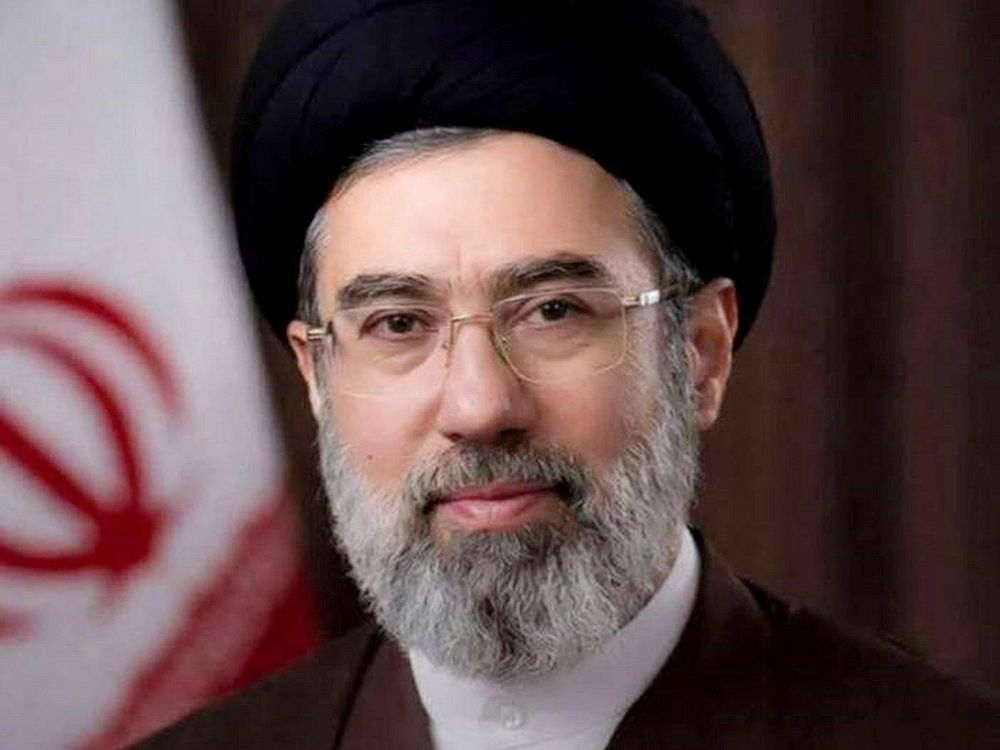
Iran's Supreme Leader Mojtaba Khamenei announced a comprehensive reorganization of the country's military leadership on Monday, appointing six commanders to senior positions across the armed forces as tensions with the United States persist.
The 56-year-old Khamenei, who was selected by the Assembly of Experts in early March following his father's death, issued separate decrees naming new leaders to the Islamic Revolutionary Guard Corps, Iran's regular armed forces, and the Basij Resistance Force.
Ali Abdollahi was appointed chief of staff of Iran's Armed Forces, with Kioumars Heydari named as his deputy. The IRGC, established in 1979 to preserve the Islamic Republic and accountable only to the Supreme Leader, saw major changes with Ahmad Vahidi promoted to major general and appointed commander-in-chief. Mostafa Izadi will serve as deputy commander-in-chief of the IRGC.
Ali Azmaei takes command of the IRGC Navy, one of several branches within the force that also includes an army, air force, and intelligence wing. Hossein Taeb was named head of the Basij Resistance Force, the paramilitary volunteer militia that operates under IRGC command with responsibilities for internal security.
The appointments represent Khamenei's first major military reshuffle since assuming the supreme leadership position, which he has held despite never having served in elected office.
Security council appointment
On Sunday, Khamenei designated former IRGC chief Mohsen Rezaee as his representative to Iran's Supreme National Security Council, the principal state body for coordinating national security and foreign policy decisions. Under Iran's constitutional framework, SNSC decisions require the Supreme Leader's approval to become binding.
Rezaee, a veteran commander from the Iran-Iraq War era, replaces Mohammad Baqir Zolghadr in the position. Ali Larijani, a senior security establishment figure, previously held the role before being killed in US-Israeli strikes in March.
Questions over leadership visibility
The military changes unfold as speculation continues regarding Khamenei's health and extended absence from public view. Iranian President Masoud Pezeshkian addressed the concerns, stating that Khamenei is completely healthy following what he described as a nearly seven-hour meeting.
Pezeshkian said their discussions covered Iran's economy, citizens' welfare, and US sanctions impact, with Khamenei emphasizing the importance of unity and cohesion.
Khamenei has not made a public appearance since taking office. His father, Ayatollah Ali Khamenei, who served as Supreme Leader for nearly 37 years from 1989, was killed in a joint US-Israeli airstrike on Tehran on February 28. Mojtaba Khamenei is believed to have sustained injuries in the same strike.