Iran proposes regional security bloc and currency-based trade to counter US sanctions
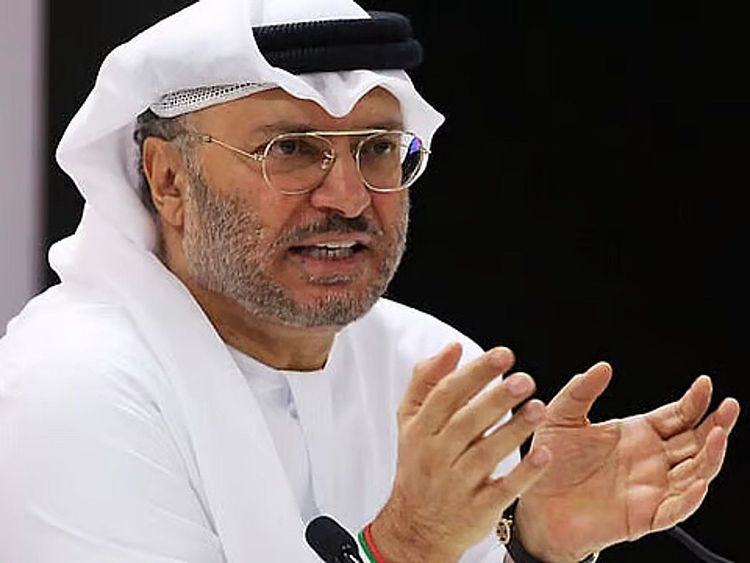
Iranian Parliament Speaker Mohammad Bagher Ghalibaf announced plans for an independent regional security arrangement and bilateral trade using national currencies, dismissing new US Treasury sanctions as ineffective during a diplomatic visit to Iraq.
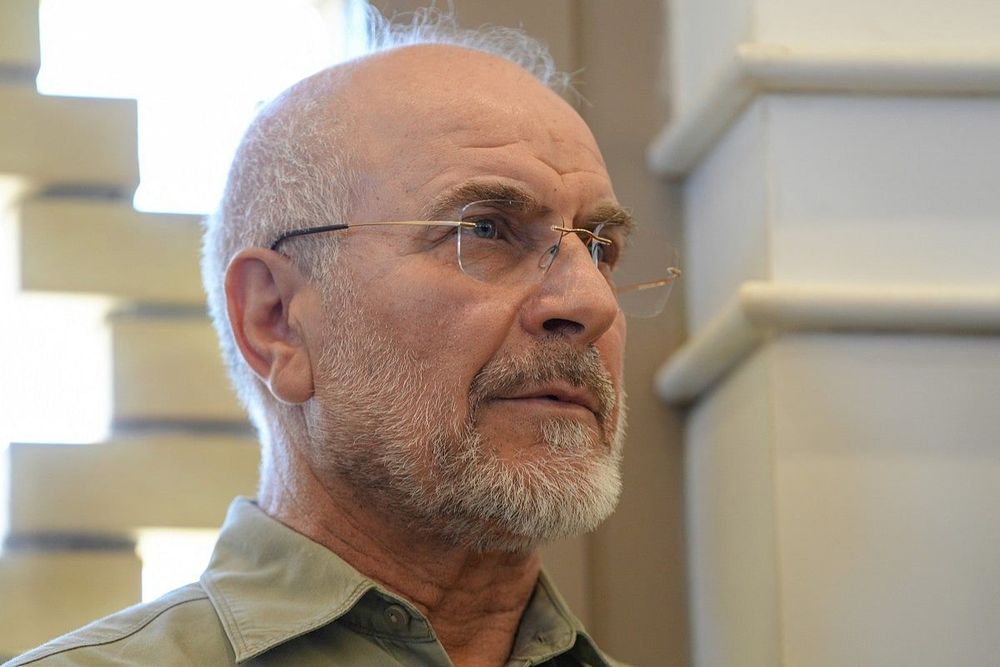
Iran proposes regional security bloc and currency-based trade to counter US sanctions
Iranian Parliament Speaker Mohammad Bagher Ghalibaf outlined Tehran's strategy to bypass what the United States Treasury called the "toughest sanctions in history" by establishing a regional security framework independent of US influence and expanding bilateral trade in national currencies rather than dollars.
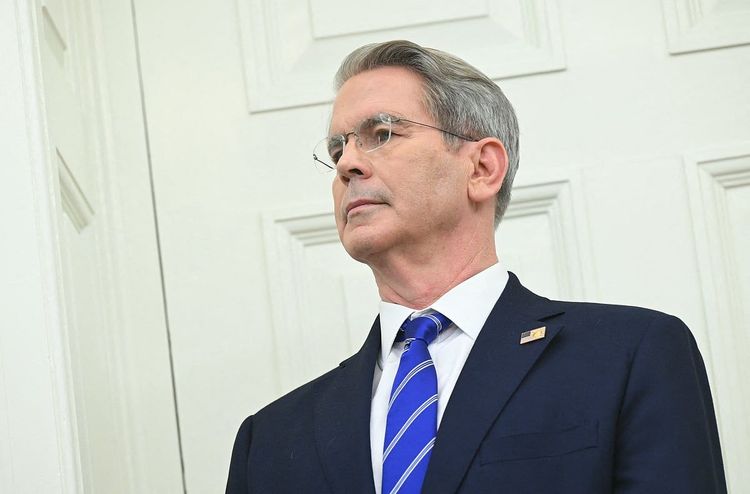
Speaking during a diplomatic visit to Iraq on August 24, Ghalibaf, who has held the speaker position since May 2020 and sits on Iran's Supreme National Security Council, sarcastically criticized the escalating financial pressures announced by US Treasury Secretary Scott Bessent earlier that day. Bessent described the new measures as "economic D-Day" and the "single greatest financial offensive ever" against Iran.
Ghalibaf mocked what he called "frozen" policies from Washington, warning they would leave the American economy stagnant. He directly targeted Bessent, the 79th US Treasury Secretary who assumed office in January 2025 after a career that included partnerships at Soros Fund Management, and Defense Secretary Pete Hegseth, who joined the administration in 2025 following his nomination by President-elect Donald Trump. Ghalibaf stated both officials are "way out of their league" and unequipped for high-stakes diplomacy.
Alternative security and economic arrangements
Rather than acquiescing to US pressure, Ghalibaf announced that Iran has received "numerous messages" from neighboring countries regarding a new regional security order that excludes American involvement. The proposed framework links security cooperation with economic interests, aiming to give regional states a stake in maintaining trade flows, energy networks and transportation infrastructure.
Tehran's strategy includes moving away from dollar-denominated transactions toward bilateral trade using national currencies with neighboring states. Ghalibaf asserted this approach would allow Iran to circumvent what he termed "unjust sanctions" while deepening economic ties across the region.
The Strait of Hormuz figures prominently in these discussions. The waterway serves as the world's most critical oil transit chokepoint, with approximately 20-21 million barrels of oil passing through daily in 2025, representing roughly 20-25% of global petroleum consumption and over a quarter of seaborne oil trade. Oman has proposed a regional management system for the strait involving Iran and other parties, with voluntary fees for navigation and safety services.
Asian nations have particular interest in Hormuz stability, as they collectively receive 89.2% of crude oil and condensate transiting the strait. China accounts for 37.7% of total flows, followed by India at 14.7%, South Korea at 12.0%, and Japan at 10.9%.
Context of escalating tensions
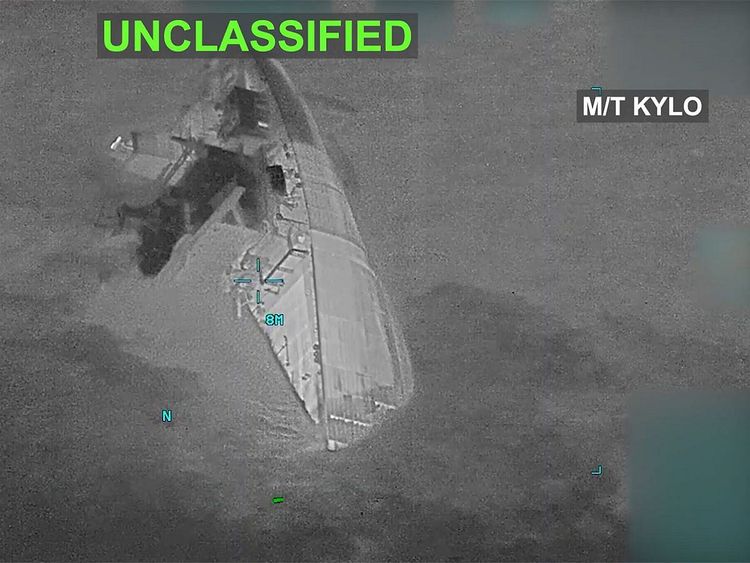
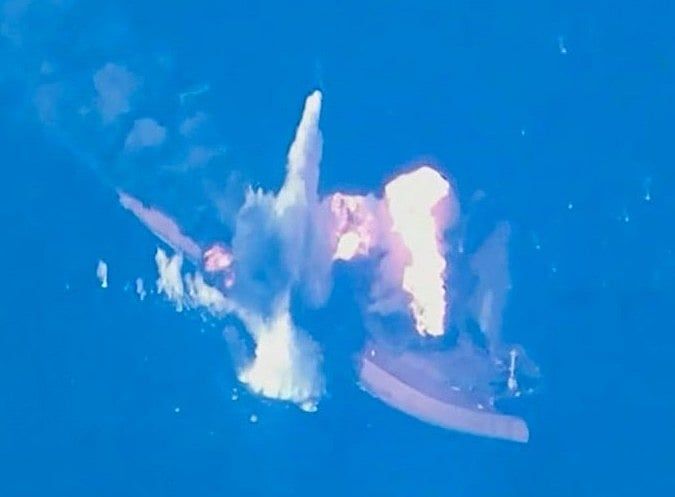
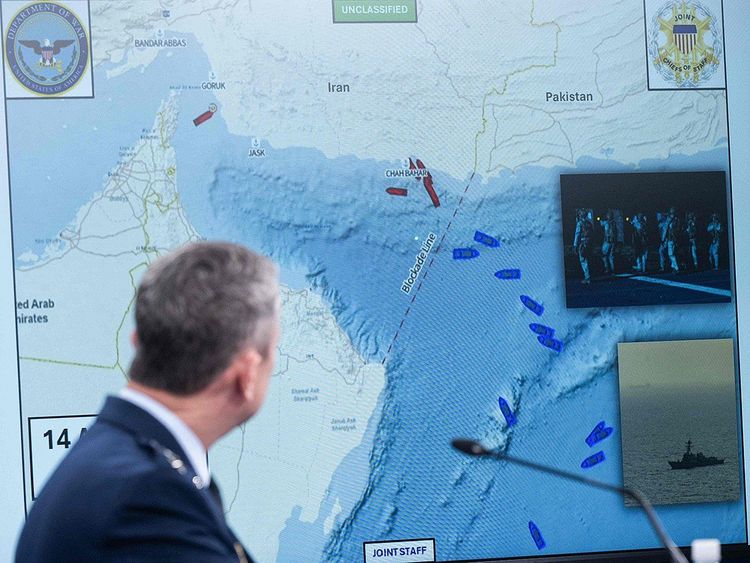
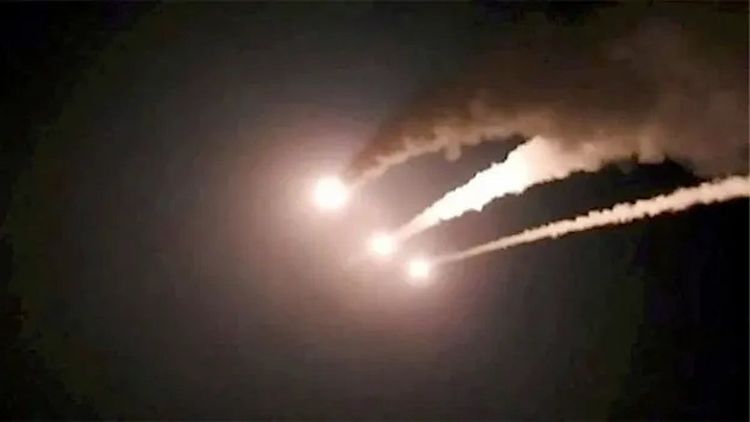
The diplomatic maneuvering occurs against the backdrop of military confrontation that began on February 28, 2026, when the United States and Israel launched large-scale airstrikes on Iran. Iran responded by closing the Strait of Hormuz, prompting Washington to impose a naval blockade on April 13, 2026.
Ghalibaf, whose background includes command positions in the Islamic Revolutionary Guard Corps, service as chief of Iran's Law Enforcement Command from 2000 to 2005, and tenure as Tehran mayor from 2005 to 2017, claimed the US and Israel resorted to economic and "cognitive" warfare after realizing they cannot prevail in direct military confrontation.
China's role as Iran's largest oil customer adds complexity to the sanctions picture. Treasury Secretary Bessent stated that China historically purchases approximately 90% of Iran's oil exports, making Beijing central to any effective sanctions regime.
Ghalibaf has previously used social media for aggressive public posturing during tense standoffs. In May 2026, he mocked a pause in US naval operations near the Strait of Hormuz by declaring the operation had "failed."
His position as speaker grants him membership on both the Supreme National Security Council and the Supreme Economic Coordination Council, giving him substantial influence over Iran's national security and economic policy decisions. This institutional authority lends weight to his pronouncements on security arrangements and trade strategy as Tehran seeks to build support for alternatives to US-dominated financial and security systems.