Iran issues ultimatum as Strait of Hormuz shipping collapses to near standstill
Tehran warns Washington it has weeks to meet demands including $300 billion in reconstruction funds and an end to the naval blockade, or face offensive military action. Tanker traffic through Hormuz has plunged 90% since the conflict began.
Iran issues ultimatum as Strait of Hormuz shipping collapses to near standstill
Iran has given the United States what a senior Iranian official described as a few weeks to meet its demands or face a shift to fully offensive military operations, Reuters reported on Monday. The ultimatum comes as the Strait of Hormuz crisis enters a critical phase, with vessel traffic collapsing and oil markets bracing for prolonged disruption.
Tehran is demanding $300 billion in reconstruction funds, the release of frozen Iranian assets, an end to the US naval blockade imposed in April, cessation of hostilities on all fronts, and a permanent resolution over control of the Strait of Hormuz. Iran has reportedly decided to move from a defensive to a fully offensive posture if its conditions are not met.
Shipping traffic falls to fraction of pre-war levels
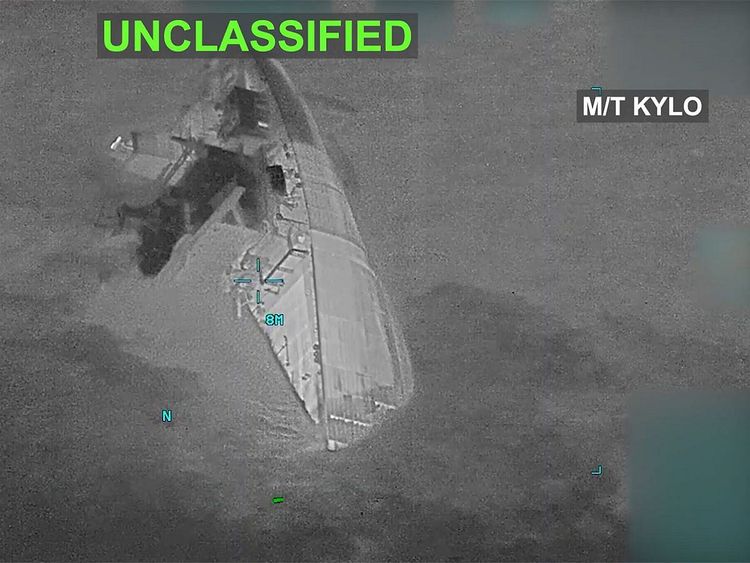
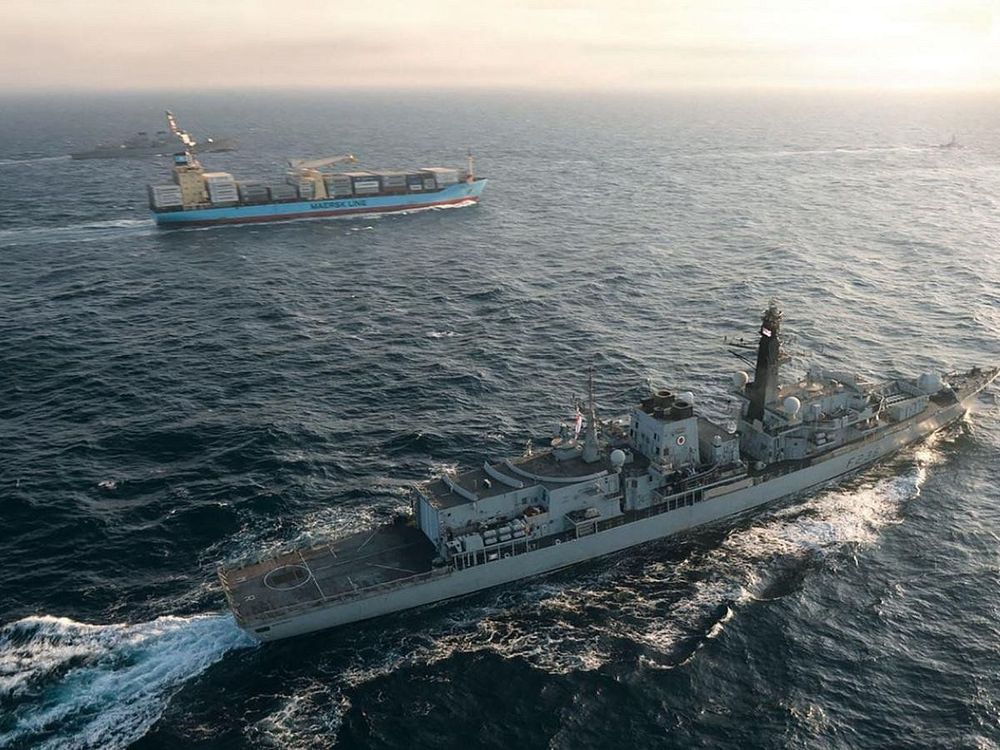
Tanker traffic through the strategic waterway has fallen sharply in recent days. Only five commodity vessels crossed the strait on Saturday and none on Sunday, compared with 31 the previous weekend, according to the source material. Before the conflict began in late February, approximately 130 ships transited the Strait of Hormuz daily. Current levels average around 13 vessels per day, a decline of roughly 90%.
The strait is one of the world's most critical energy chokepoints. Before the war, approximately 20% of global oil and natural gas supplies passed through the narrow passage between Iran and Oman. The sharp reduction in traffic has contributed to rising energy costs, with Brent crude climbing above $91 a barrel as markets assess the risk of prolonged supply disruption.
Oil prices have fluctuated sharply throughout the conflict. Brent crude surged to over $115 per barrel in late March following the outbreak of hostilities, then declined to around $72 per barrel by late June when ceasefire talks showed progress. Prices have since climbed back above $89 per barrel in August as tensions resumed.
Attacks and diplomatic friction escalate
Iraq has opened an investigation into an attack on the office of Kurdistan Regional Government Prime Minister Masrour Barzani. Kurdish authorities blamed Iran, saying Iranian drones targeted Barzani's personal office and the home of the head of the region's security and intelligence agency. No casualties were reported. Barzani has served as prime minister since June 2019 and previously led the Kurdistan Region Security Council, playing a key role in the fight against ISIS.
Iranian Foreign Minister Abbas Araghchi condemned the attack and urged Iran's Kurdish allies to remain alert to what he called false flags. Meanwhile, Yemen's Iran-aligned Houthis claimed to have attacked Saudi vessels off Mocha in the Red Sea. Saudi authorities had not immediately confirmed the claim.
Reconstruction costs and blockade dispute
Iran's demand for $300 billion in reconstruction funds reflects the scale of damage the country says it has sustained. Iranian government spokesperson Fatemeh Mohajerani estimated in April that Iran suffered approximately $270 billion in direct and indirect damages from the war, though independent analysis by the Center for Economics and Foreign Policy suggested the figure was closer to $144 billion.
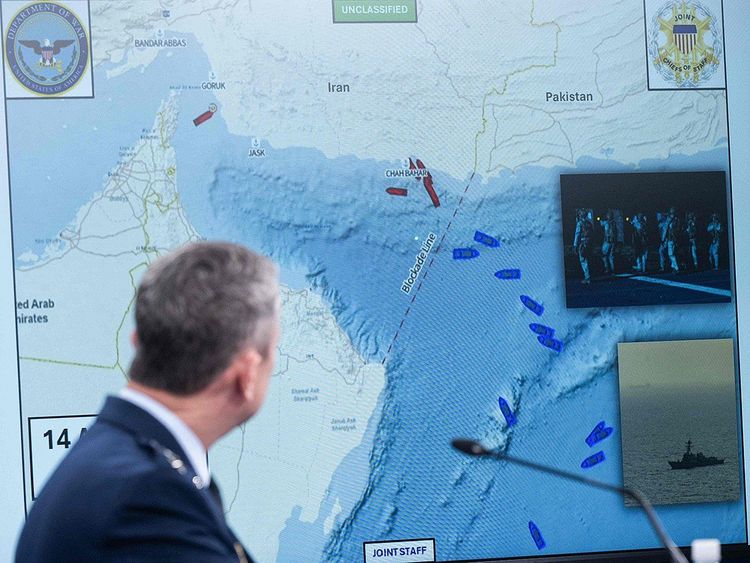
The US naval blockade, imposed on April 13 following the collapse of peace talks in Islamabad, has been a point of contention. The blockade targets Iranian ports specifically rather than the entire Strait of Hormuz, according to US Central Command. Legal experts remain divided on its status under international maritime law.
Political pressure mounts in Washington
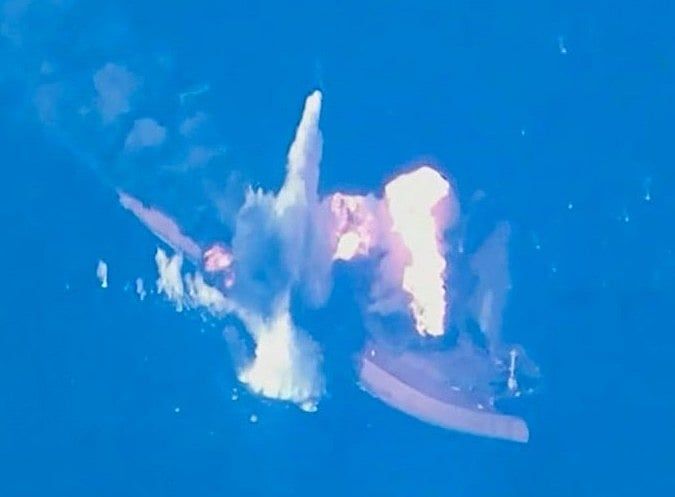
The conflict, which began on February 28 when the US and Israel launched strikes on Iran, has now lasted approximately 170 days. A 60-day memorandum of understanding signed on June 17 was set to expire on August 17, adding urgency to diplomatic efforts.
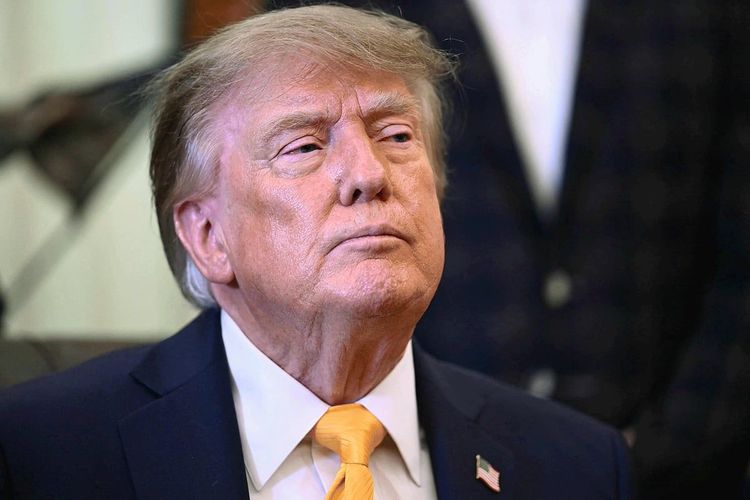
President Donald Trump's approval rating has fallen to 33%, its lowest point of his presidency, as growing numbers of Americans fear the war could become prolonged and rising energy costs deepen pressure on the White House. A Reuters/Ipsos poll completed Monday found that 64% of Americans disapprove of Trump's performance. The war has cost American taxpayers an estimated $29 billion to $50 billion, according to Pentagon figures, with costs rising due to equipment replacement, base repairs, and ongoing operations.