Iran-Oman near Hormuz shipping deal, but US conditions could delay full reopening
Iran and Oman report progress toward a Strait of Hormuz shipping framework, but Tehran says full reopening depends on meeting seven conditions it has set for Washington, while attacks on commercial vessels continue.
Iran-Oman Shipping Framework
Iran and Oman are advancing toward an agreement on commercial shipping through the Strait of Hormuz, but the waterway's full reopening remains uncertain as Tehran insists on conditions it has set for the United States.
Iranian Foreign Minister Abbas Araghchi said the two countries are "very close" to finalising a framework for managing vessel traffic through the strait. Oman confirmed that negotiations are continuing in a "positive and constructive atmosphere."
However, Iran's Supreme National Security Council chief Mohammad Bagher Zolghadr emphasised that the strait will not fully reopen until Washington "corrects its behaviour." US Vice President JD Vance said negotiations between Washington and Tehran are ongoing, with the United States expecting Gulf oil and gas exports to return to pre-war levels.
Why the strait matters
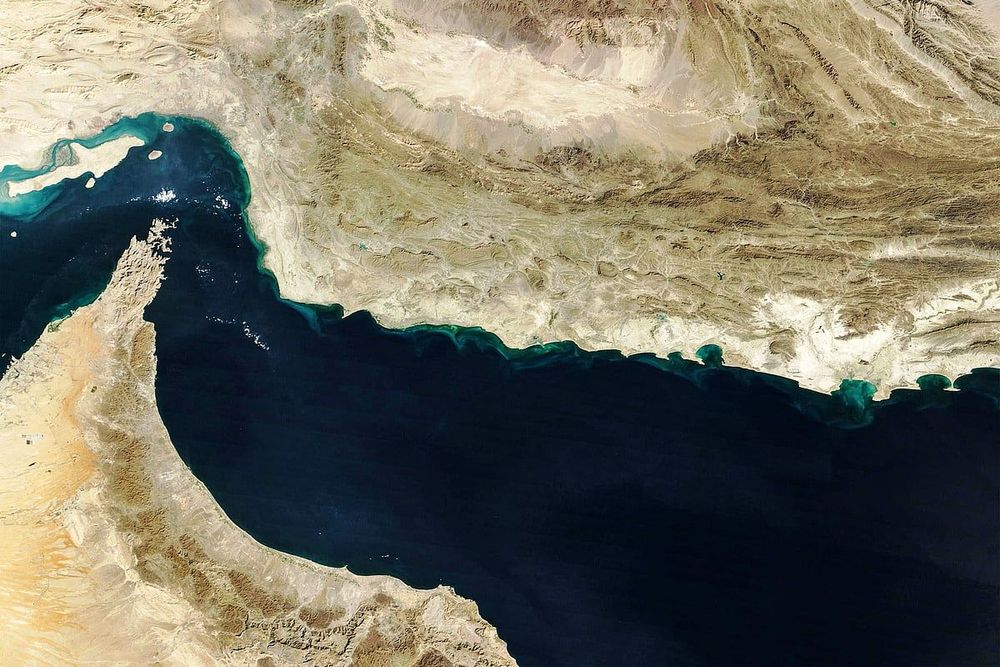
The Strait of Hormuz is one of the world's most critical energy chokepoints. In 2025, approximately 15 million barrels per day of crude oil passed through the waterway, representing 34 per cent of global crude oil trade. China and India combined received 44 per cent of these exports, according to the International Energy Agency.
The strait also carries nearly one-fifth of global liquefied natural gas shipments. About 93 per cent of Qatar's and 96 per cent of the UAE's LNG exports transit through Hormuz, with no alternative routes available to bring these volumes to market.
The IEA has characterised the Hormuz disruption as the largest supply disruption in the history of the global oil market. Vessel traffic collapsed from approximately 129 per day in late February 2026 to as few as four to eight vessels per day in early March. Oil prices surged sharply after the closure, with Brent crude rising approximately 64 to 65 per cent to peak near $118 to $120 per barrel in March 2026, compared to pre-closure levels around $72 per barrel, marking the highest monthly rise ever recorded.
The proposed shipping arrangement
Under the framework being discussed, vessels would initially use a temporary route while Iran and Oman work toward establishing a new Traffic Separation Scheme. A Traffic Separation Scheme is a maritime traffic-management system governed by the International Maritime Organization that separates opposing streams of traffic by establishing designated lanes, typically used in busy, confined waterways to reduce collision risks.
The Strait of Hormuz measures 22 nautical miles at its narrowest point and falls within both Iranian and Omani territorial waters. Under normal conditions, two shipping lanes each about two miles wide, separated by a two-mile buffer zone, handle commercial traffic.
Questions remain over which routes will be used, who will coordinate vessel movements and what security arrangements will apply. Iran has been directing some vessels away from traditional shipping lanes, citing security concerns. The European Union has reported that Iran's Revolutionary Guard introduced a system requiring vessels to provide information and, in some cases, pay tolls to transit.
Reports indicate the Revolutionary Guard has been charging transit fees of approximately $1 million to $2 million per vessel, with payments accepted in yuan, cryptocurrency or other forms. Vessels are required to submit to IRGC vetting and escort.
Iran's conditions for the US
Iran has outlined seven demands it says must be met before the strait fully reopens. These include:
- Ending US threats against Iran
- Permanently ending the war with Iran and its regional allies
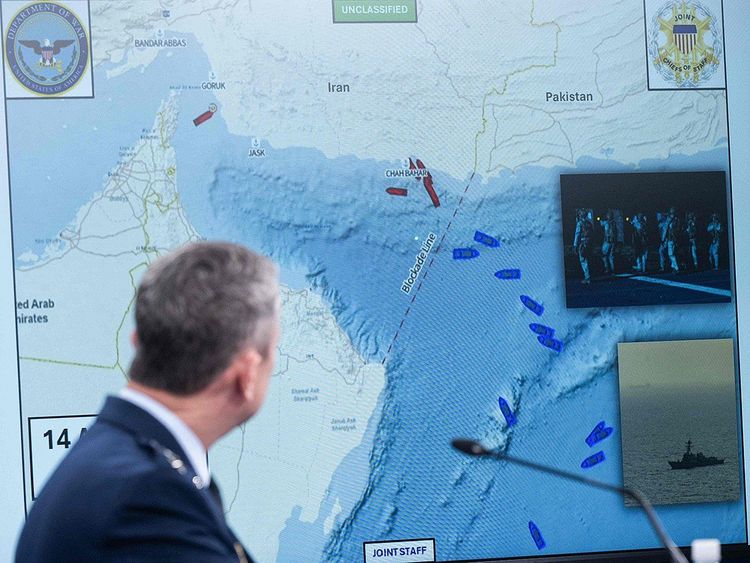
- Lifting the US naval blockade of Iranian ports
- Withdrawing US forces from the region
- Compensating Iran for war damage
- Lifting US sanctions
- Releasing frozen Iranian assets unconditionally
The United States had not responded to the demands at the time of writing. Iran's Revolutionary Guard has separately stressed that Tehran's conditions, not simply the outcome of talks with Oman, will determine whether the strait reopens.
Oman's role as mediator
Oman is playing a pivotal role in the negotiations. The country has a long history as a trusted mediator between the United States and Iran, having facilitated early discussions that led to the 2015 nuclear deal and hosting multiple rounds of talks in 2025 and 2026.
Oman's mediation credibility is strengthened by its practice of Ibadi Islam, which is neither Sunni nor Shia, and its policy of neutrality. Muscat has avoided joining the Saudi-led Yemen coalition and anti-Iran alliances while maintaining warm relations with both Iran and Western powers.
Oman has warned that attacks on commercial vessels could undermine the talks. Agreeing on a route is only one part of the challenge; ships also need to be safe enough for companies to use that route.
Recent attacks raise security concerns
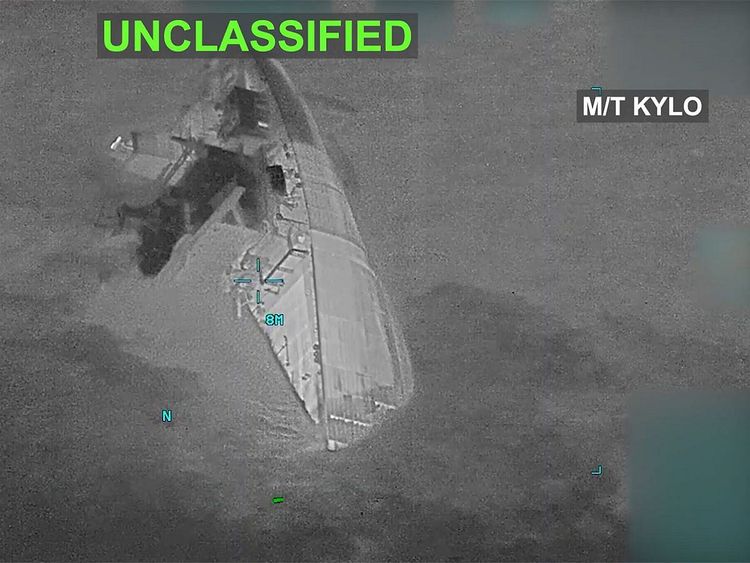
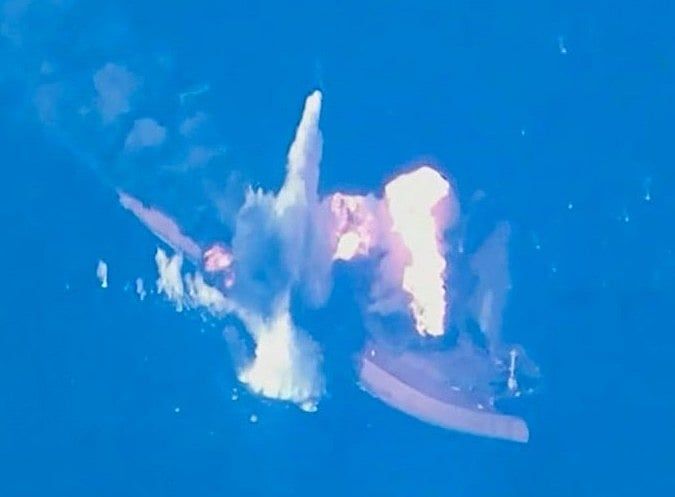
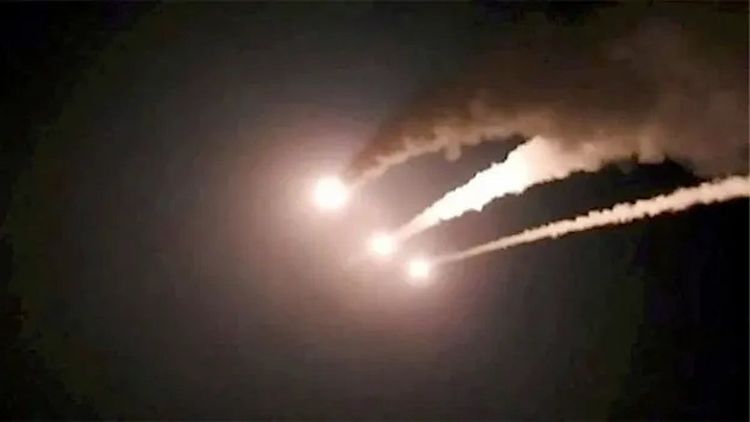
The security situation remains a major concern. The UAE said an ADNOC vessel was targeted by an Iranian missile while sailing through the Strait of Hormuz on Saturday. No casualties were reported.
ADNOC said more than a dozen of its vessels have been targeted by missiles and drones since the conflict began. One crew member has been killed and 20 injured in previous attacks.
Separately, the UK Maritime Trade Operations centre reported that a vessel about 18 nautical miles off Khasab, Oman, was hit by an unknown projectile. The incident caused a fire that was later extinguished, and the vessel and crew were reported safe. It was not immediately clear whether the two incidents involved the same vessel.
The attacks add another layer of complexity to the negotiations. Even if a new shipping route is agreed, commercial operators may not feel safe enough to use it.
Limited alternatives
Only Saudi Arabia and the UAE operate pipelines capable of bypassing the Strait of Hormuz, with an estimated combined spare capacity of 3.5 million to 5.5 million barrels per day. Other Gulf producers, including Iran, Iraq, Kuwait, Qatar and Bahrain, rely almost entirely on the strait for oil exports, according to the IEA.
This means most Gulf producers have no choice but to negotiate for Strait access, which strengthens Iran's position in the talks.
What happens next
The immediate focus is on whether Iran and Oman can finalise their shipping arrangement and whether Washington accepts the conditions Tehran has attached to a full reopening.
Even if a deal is reached, normal traffic is unlikely to return overnight. Shipping companies are expected to wait for greater clarity on security, routes and the rules governing transit before resuming operations at pre-war levels.
The key questions remain:
- Will the US agree to Iran's conditions?
- Will Iran guarantee safe passage for commercial vessels?
- Which routes will ships use?
- Who will coordinate and control vessel movements?
- Will shipping companies feel confident enough to return?
- Can the wider US-Iran dispute be resolved?
Iran and Oman may be close to an arrangement that allows some commercial shipping through Hormuz, but Iran's demands on the US, continued attacks and sharply reduced vessel traffic mean a deal does not necessarily equal a full reopening.