Trump faces critical decision as Iran 60-day deadline expires without breakthrough
With the memorandum of understanding deadline passed and no resolution in sight, Washington confronts three difficult options as the Strait of Hormuz remains restricted and economic pressure mounts on both sides.
Trump faces critical decision as Iran 60-day deadline expires without breakthrough
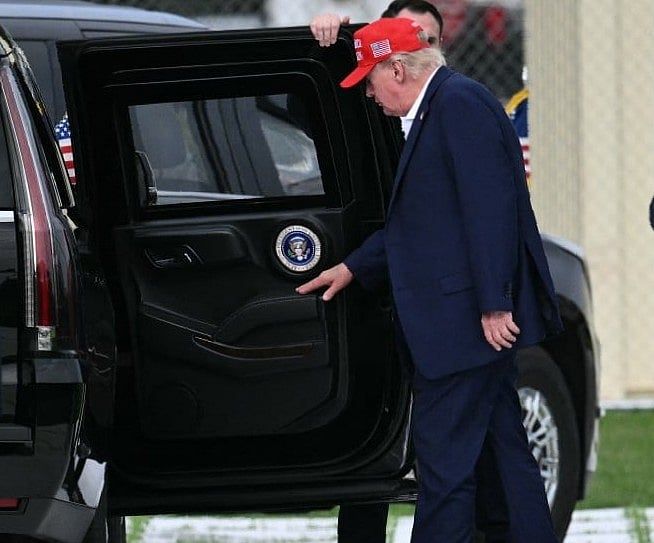
The 60-day window for the United States and Iran to negotiate a peaceful resolution to their conflict has closed without achieving its core objectives, leaving President Donald Trump to choose between three risky paths forward.
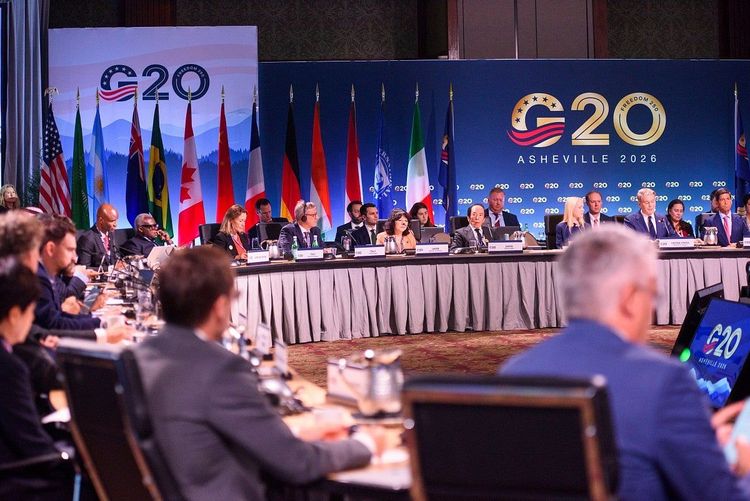
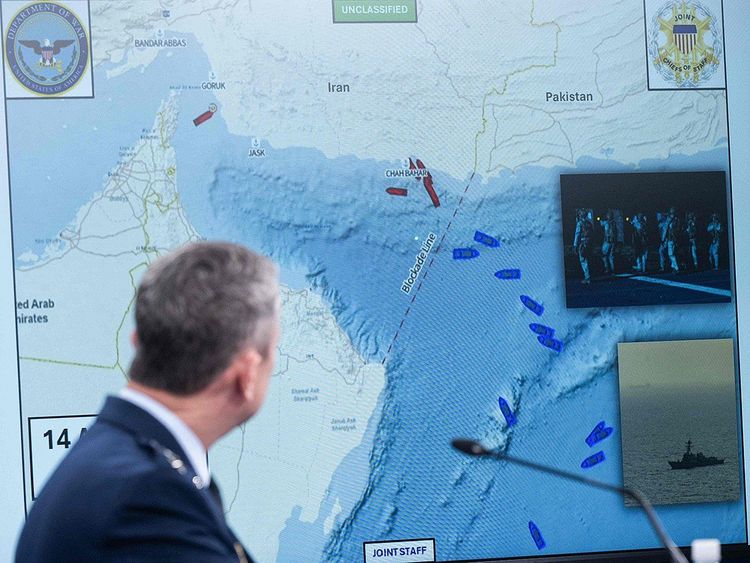
The Islamabad Memorandum, signed on June 17 during a remote ceremony as Trump dined with French President Emmanuel Macron at the Palace of Versailles following the G7 summit, was intended to chart a course out of war. The 14-point document committed both nations to an immediate cessation of hostilities, with Washington pledging to remove its naval blockade of Iranian harbours within 30 days while Tehran would restore traffic through the Strait of Hormuz to pre-war levels during that period.
None of those goals has been met. The strait, which normally carries approximately 25% of the world's seaborne oil trade and 20% of global liquefied natural gas, remains severely restricted. Maritime traffic has plummeted by roughly 95% compared to pre-crisis levels, with only 10 vessels transiting on some days against a baseline of 88 to 130 per day before the conflict began.
Economic pressure intensifies on both sides
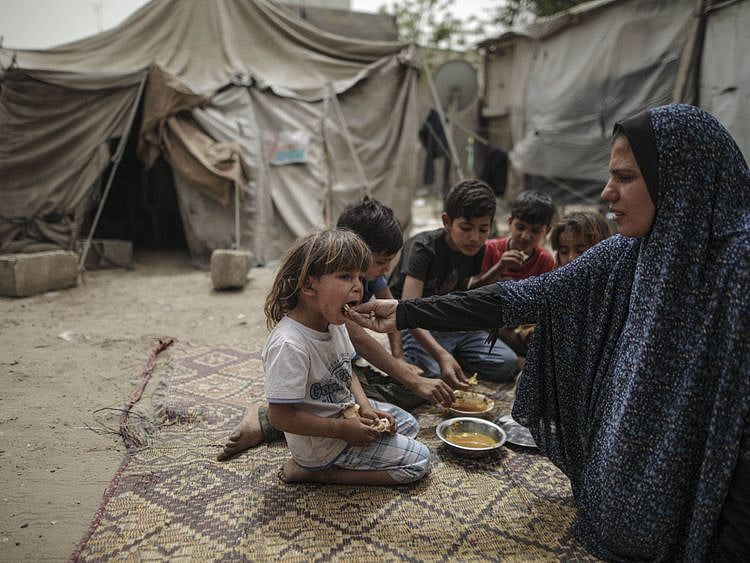
Iran's economy is buckling under the weight of sanctions and isolation. The country's year-on-year inflation reached between 83.1% and 88.6% in late May and early June, according to different Iranian government sources — the highest rate since World War II. The International Monetary Fund projects Iran's annual inflation will average around 68.9% in 2026, with real GDP contracting by approximately 6.1%.
The United States is also feeling economic pain from the crisis. Gasoline prices climbed above $4 per gallon for the first time in more than three years in March and April, standing at $4.08 per gallon in mid-August — a 37% increase since the war started in late February.
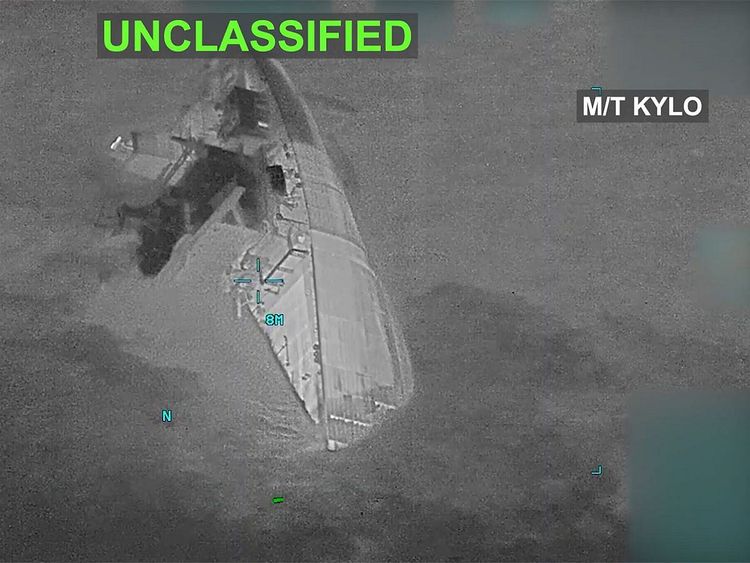
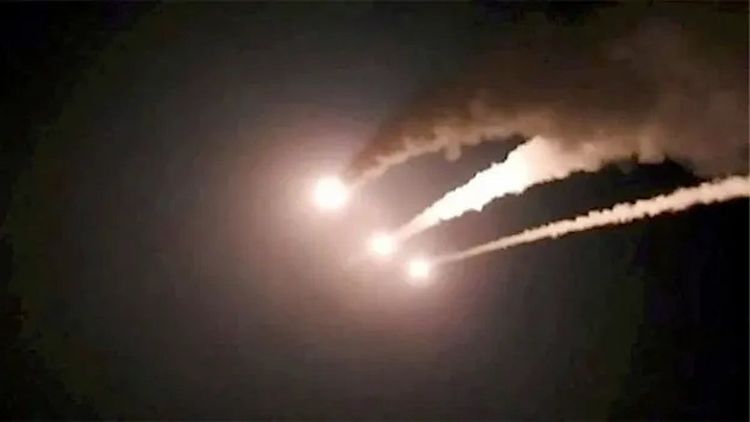
The conflict began on February 28, 2026, when Iran closed the Strait of Hormuz in retaliation for U.S. and Israeli airstrikes that killed Supreme Leader Ali Khamenei. Iran has since enforced the closure using mines, Islamic Revolutionary Guard Corps gunboats, anti-ship missiles and drone attacks.
Three difficult options
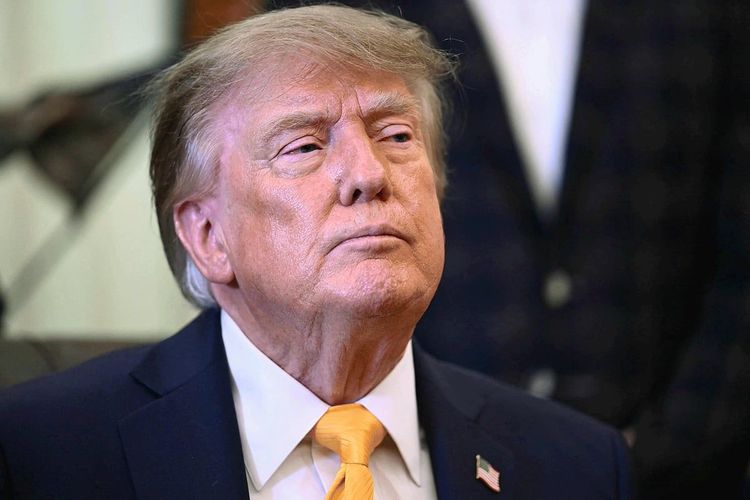
Trump now faces a strategic choice between waiting for Iran's economy to collapse, escalating militarily or returning to negotiations — each carrying substantial risks.
The first option, which appears to be Washington's current strategy, involves maintaining the naval blockade and intensified sanctions until economic devastation forces Tehran to capitulate. The administration has rescinded sanctions waivers that previously allowed Iranian oil exports and Treasury Secretary Scott Bessent has signalled that measures never before seen against Iran are coming.
We are just watching Iran with its huge inflation and the fact they have no money
Trump said earlier this month. First Vice President Mohammad Reza Aref has ordered intensified market supervision in response, including tougher action against overpricing and hoarding.
But Ali Vaez, deputy programme director for Middle East and North Africa at the International Crisis Group, warned that previous economic pressure campaigns hardened rather than softened Iran's position.
At any cost, they are very unlikely to capitulate and to give in because they believe that that would be the end of the regime
he told CNN on Monday.
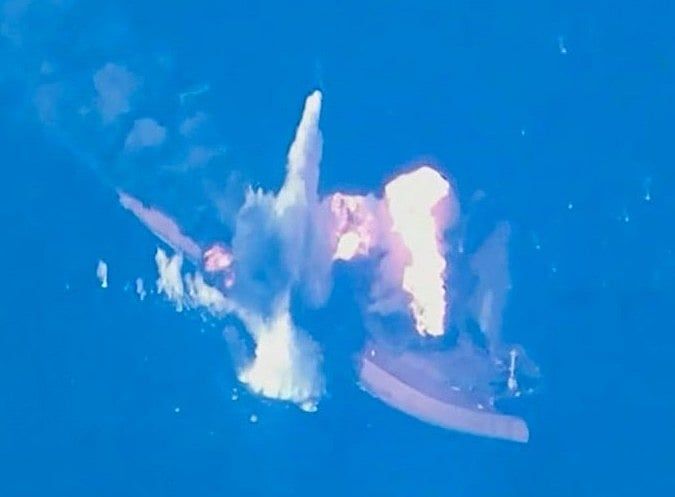
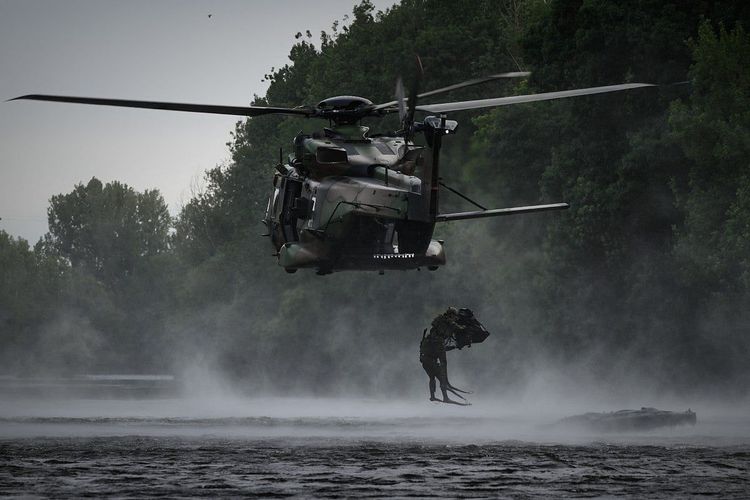
Military escalation represents Trump's second option. While there have been no publicly reported U.S. strikes on Iranian targets since late July, the possibility has never disappeared. Trump has considered major military action on at least two occasions since the June agreement but pulled back amid appeals from regional allies and concerns about dwindling munitions stocks.
A renewed offensive could increase pressure on Tehran but would expose American forces and regional partners to Iranian retaliation. It might also fail to reopen Hormuz, since Iran views control of the strait as its strongest remaining leverage over Washington.
Diplomacy remains possible but difficult
The third path is diplomatic compromise, though it may be Trump's most politically challenging option. Iran has demanded an end to the U.S. blockade, withdrawal of American forces from around Iran and reparations for war damage before fully reopening Hormuz. Tehran has also made clear it does not envision simply restoring the strait to its pre-war status as an open waterway.
Trump has rejected those demands and insists Iran should pay reparations instead.
Still, diplomacy has not completely disappeared. Vaez described it as not dead but it is in dire straits. Pakistan, which played the central role in brokering the June memorandum through marathon 21-hour talks in April involving a 300-member U.S. team led by Vice President JD Vance and a 70-member Iranian delegation led by parliamentary speaker Mohammad Bagher Ghalibaf, has continued mediation efforts. Pakistani officials have made multiple visits to Tehran to keep diplomatic channels open as the agreement broke down.
The difficulty is finding common ground. The June memorandum was only a page and a half long and postponed rather than resolved the fundamental disagreements between the two countries, Vaez noted.
Two clocks still running
With the 60-day negotiating period expired, the underlying issues that pushed the United States into war — including Iran's nuclear programme — remain unresolved. The agreement temporarily deferred the hardest questions but did not answer them.
Now two competing timelines are in motion. Washington is betting that sanctions, the blockade and Iran's economic collapse will force Tehran to compromise first. Iran is betting that disruption to Hormuz, pressure on global energy markets and the approaching U.S. midterm elections will force Trump to move.
Neither side appears ready to blink. The question after the 60-day deadline is no longer whether the June agreement can deliver peace — it is which side can withstand the pressure longer, and what happens if neither gives way.