Turkey anticipates Egypt will join new regional defence alliance
Turkish Foreign Minister Hakan Fidan says Egypt is a 'natural partner' for the Mecca Joint Defence Agreement signed by Saudi Arabia, Turkey and Pakistan, as the alliance seeks to stabilise a region battered by conflict.
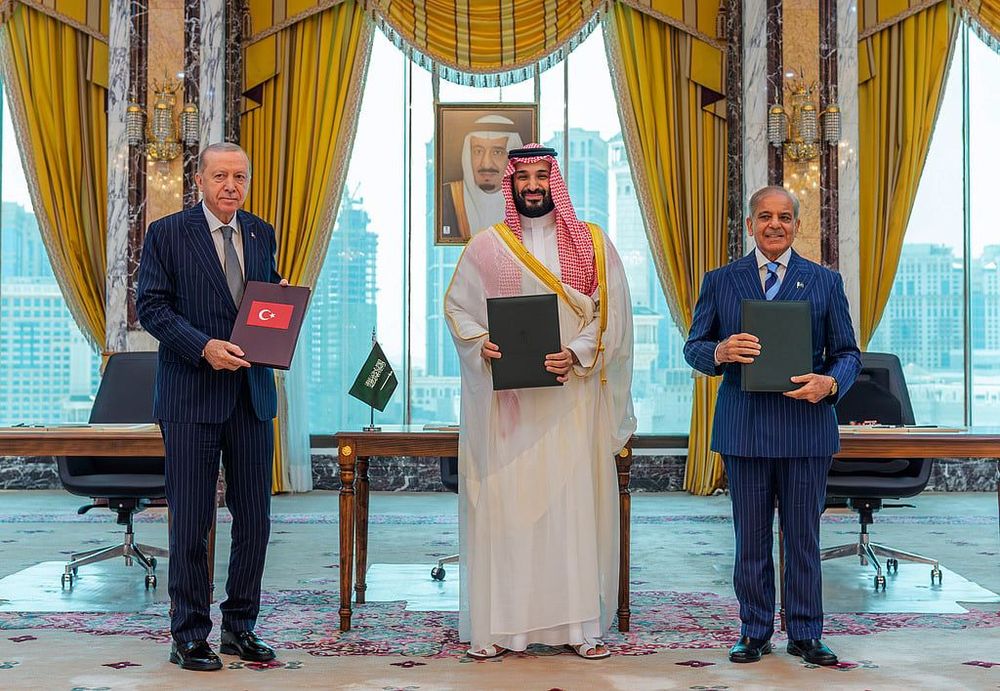
Turkey anticipates Egypt will join new regional defence alliance
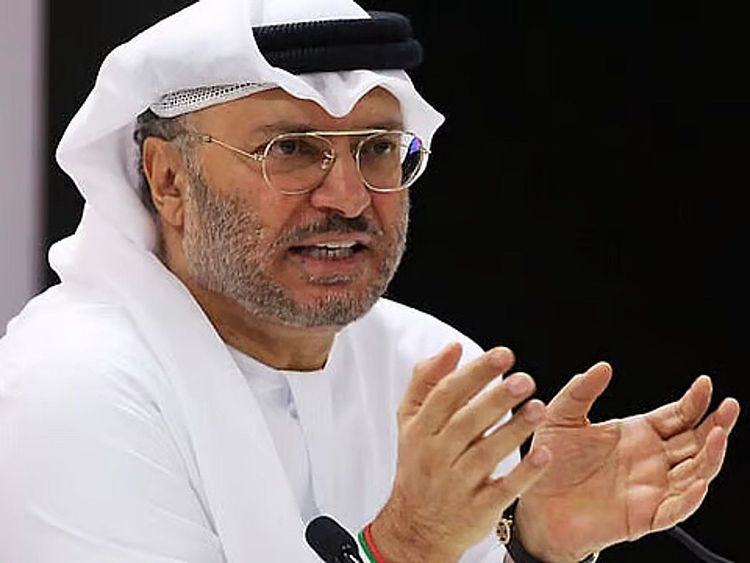
Turkey expects Egypt to join a new regional defence pact aimed at stabilising the Middle East amid the ongoing conflict between the United States and Iran, Turkish Foreign Minister Hakan Fidan said Saturday.
Speaking to state news agency Anadolu, Fidan described Egypt as a "natural partner" for the Mecca Joint Defence Agreement, which Saudi Arabia, Turkey and Pakistan signed on Friday in the Saudi holy city.
The agreement was forged against the backdrop of the US-Iran war, which began on February 28, 2026, when the United States and Israel launched airstrikes on Iran. Iran retaliated by closing the Strait of Hormuz, a critical maritime chokepoint responsible for approximately 25 percent of global seaborne oil trade, severely disrupting energy markets and shipping routes.
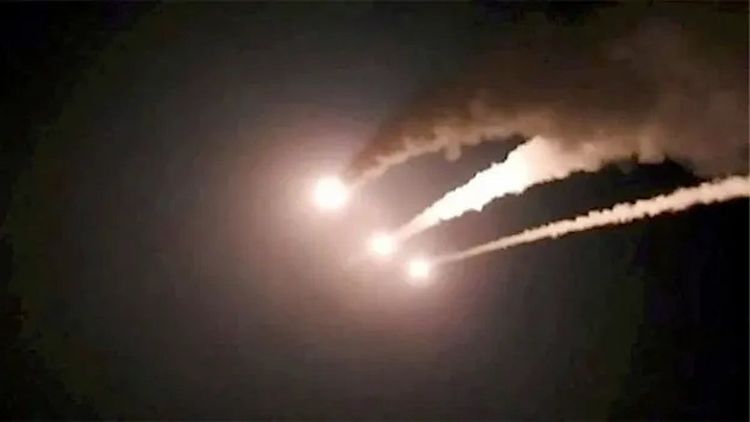
The conflict has destabilised the region and emboldened Iran's allies. The Houthi movement in Yemen declared a maritime blockade on Saudi Arabia on July 20, 2026, and subsequently attacked Saudi oil facilities in Jazan and Yanbu on July 25, followed by a strike on the Abqaiq oil processing plant on July 27.
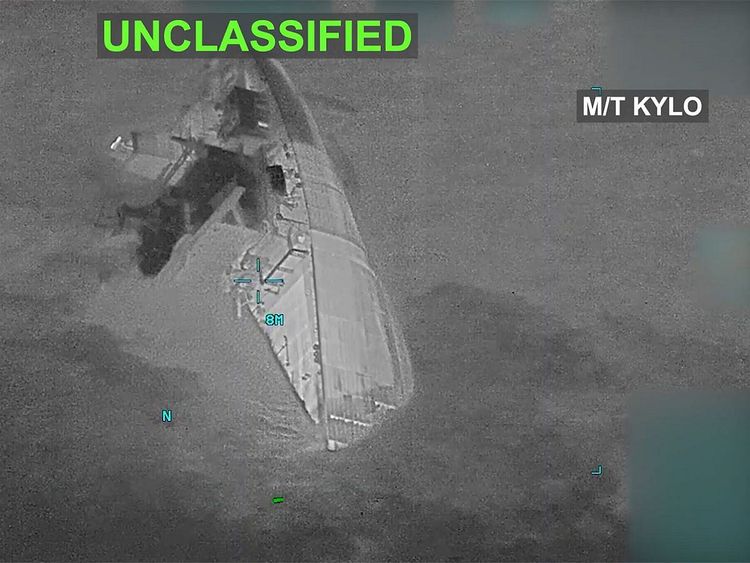
Egypt has also been affected. On July 29, 2026, a drone struck a US-owned liquefied natural gas storage vessel and a Greek tanker at Damietta port on the Mediterranean, marking the first attack on Egyptian soil since the war began.
Egypt as a natural partner
"I believe that at the next stage Egypt will also be among us in the alliance. We already act toward one another as if we were alliance members," Fidan told Anadolu. "There are a few technical issues. Once these are implemented, there is no reason for Egypt not to be part of it."
Fidan's confidence is based on growing defence cooperation between Turkey and Egypt. The two countries signed a military cooperation framework agreement on February 5, 2026, during Turkish President Recep Tayyip Erdogan's visit to Cairo, marking a significant rapprochement after years of strained relations. They followed up with an additional defence cooperation memorandum of understanding on July 13, 2026, covering military and defence industry cooperation.
The two nations have also conducted multiple joint military exercises since September 2025, including their first joint naval drill in 13 years in the Eastern Mediterranean and the Golden Eagle 2026 joint airborne training exercise.
Egypt is already part of the R-4 consultative mechanism alongside Turkey, Saudi Arabia and Pakistan, which held its latest meeting in Cairo on June 21, 2026, to address the fallout from the US-Iran war.
Defensive pact with room to grow
Pakistan's foreign ministry said Friday the agreement means an attack on any member would be regarded as an attack on all, adding it was "intended to strengthen collective deterrence".
Fidan emphasised the pact does not target a specific country. "There is no common threat that we have put in writing," he said, according to Anadolu.
He called the agreement "the most important step toward bringing lasting stability to this region" and suggested the alliance could expand beyond its current three members. "Under our president's vision, we should not remain limited to three countries. We should grow and, if necessary, bring all countries under this umbrella," Fidan said.
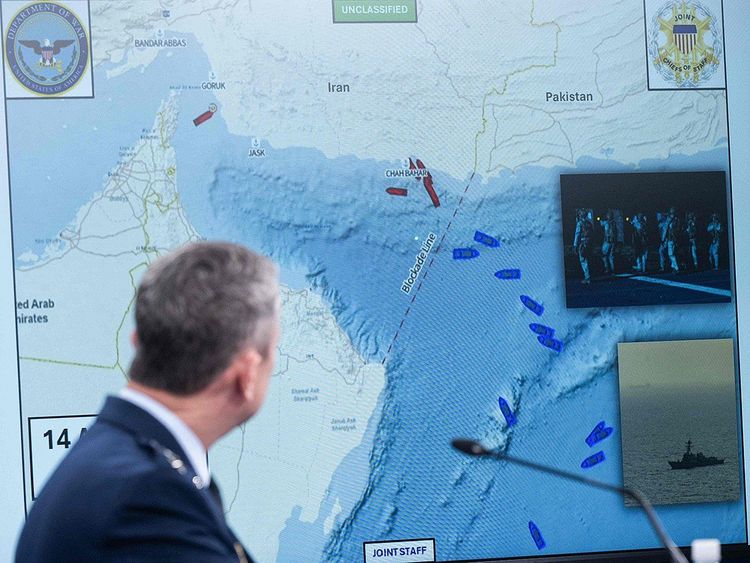
Pakistan has played a diplomatic role in the conflict, having mediated a two-week ceasefire between the United States and Iran beginning on April 8, 2026. However, the subsequent Islamabad Talks failed, and the United States imposed a naval blockade on Iran on April 13, 2026.
The Mecca Joint Defence Agreement represents the latest effort by regional powers to forge collective security arrangements as the Middle East grapples with conflict, shipping disruptions and attacks on energy infrastructure.