Manitoba Premier calls Trump 'bad person' as Canada nears trade deal with Washington
Wab Kinew launches sharp criticism of US president while Canadian provinces consider lifting alcohol bans at PM Carney's request to secure agreement and avoid 50% tariffs on $20 billion in imports.
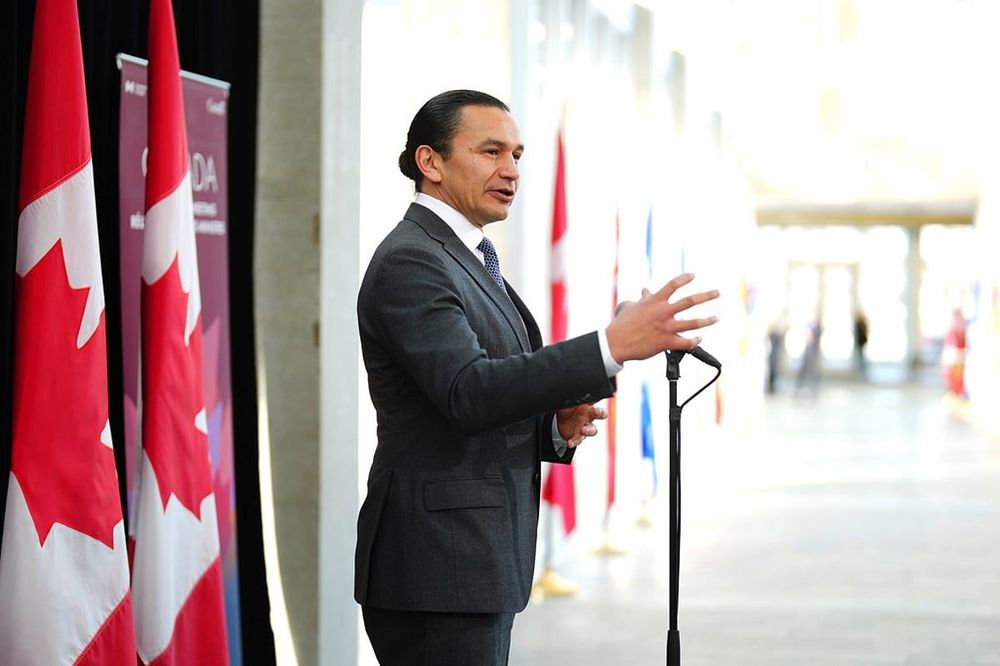
Manitoba Premier calls Trump 'bad person' as Canada nears trade deal with Washington
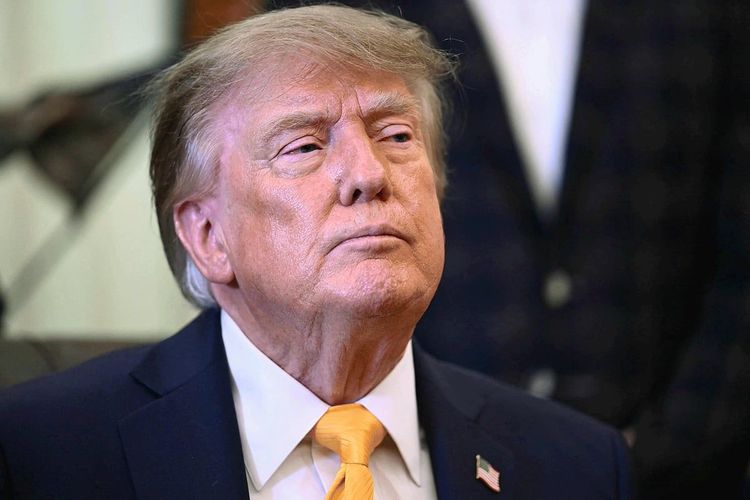
Manitoba Premier Wab Kinew delivered a scathing rebuke of US President Donald Trump on Thursday, branding him a "bad person" and "not to be trusted" while urging Canada to maintain its resistance rather than rush into concessions during ongoing trade negotiations with Washington.
Kinew, Canada's first Anishinaabe provincial premier and Manitoba's 25th premier since his election in October 2023, spoke as his province weighs whether to restore US alcohol sales at the urging of Prime Minister Mark Carney. The move is aimed at helping secure a deal that would prevent threatened 50% US tariffs from taking effect.
"Everybody knows the American president by now, he's erratic, he's irresponsible, and he's not to be trusted. And this is the person that we were supposed to make a deal with, and we're going to make additional concessions for it. That's why I say you can't make a good deal with a bad person, because who's to say it's not going to be undone?"
Negotiations reach critical phase
Despite the criticism, Dominic LeBlanc, the federal minister responsible for Canada-US trade, announced Thursday that the two countries were nearing an agreement. LeBlanc returned to Washington to meet again with US Trade Representative Jamieson Greer and said Canadian officials would remain in the capital to finalize details.
"We're very close. We continue to make progress," LeBlanc said. Trump has characterized the emerging agreement as "very fair" to both sides. The talks come after the Trump administration delayed 50% tariffs on approximately $20 billion worth of Canadian imports less than two hours before they were set to take effect at midnight on August 19, postponing them until 12:01 am Saturday.
The negotiations follow the United States-Mexico-Canada Agreement's mandated six-year review on July 1, 2026, when the United States declined to renew the USMCA in its current form, creating uncertainty about North American trade relations and necessitating new negotiations.
Carney, who became Canada's 24th Prime Minister in March 2025 after being elected Leader of the Liberal Party, has pressed provincial leaders to lift restrictions on US products as part of the deal. The former Governor of the Bank of Canada and Bank of England chief has sought a unified "Team Canada" approach to the negotiations, though neither side has released full terms of the emerging agreement.
Alcohol bans at center of dispute
The provincial restrictions on US alcohol have become a particular irritant for the Trump administration. Eight of Canada's 10 provinces initially banned US alcohol sales in March 2025 in retaliation for Trump's 25% tariffs on Canadian goods and his repeated threats to make Canada the 51st US state. While Alberta and Saskatchewan resumed sales in June 2025, the other provinces have maintained the bans.
Within a month of the provincial bans taking effect, sales of US spirits in Canada fell by more than 66%, according to the Distilled Spirits Council of the United States. The restrictions prompted Republican Congresswoman Claudia Tenney to introduce the CANADA Act in July 2026, legislation directing the US Trade Representative to investigate provincial liquor board restrictions on US products.
Ontario's role is particularly significant. Its government-run LCBO, one of the world's largest alcohol purchasers, sold nearly 1 billion Canadian dollars ($723 million) worth of US products annually before pulling them from shelves last year.
Kinew said he understood Carney's request to mean that restoring US alcohol sales was effectively necessary to complete the deal. Other provincial leaders, including the premiers of Saskatchewan and Nova Scotia, have publicly backed Carney's negotiating direction. Newfoundland and Labrador Premier Tony Wakeham said all premiers agreed during Wednesday's call with Carney to return US alcohol to store shelves, though not every premier has publicly confirmed that position.
Call to maintain pressure
Despite potentially agreeing to lift formal restrictions as part of a "Team Canada" approach, Kinew argued that Canada holds the stronger position in negotiations. He pointed to Trump's pattern of imposing high tariffs before retreating, referencing what Financial Times columnist Robert Armstrong termed "TACO" trade — an acronym for "Trump Always Chickens Out."
"I think we should fight. I think Donald Trump is very weak. I think America is weaker around the world today than it was a year ago. He's about to get slaughtered in the midterms and the cost of living is the number one issue and he's completely out of touch with the cost of living of Americans. We've got the upper hand. They are back on their heels right now. They are coming to us for a deal right now."
Kinew also urged Canadian consumers to boycott American products even if provinces restore them to shelves. "When we put the American booze back on the Liquor Mart shelves, Canadians, leave it there. Spend your money on Canadian products that are going to employ people in our country and that have an administration that respects Canada," he said.
The Manitoba premier said his province could agree to remove formal restrictions on US companies and products while continuing to favor Canadian suppliers in its own purchasing decisions. He questioned whether the current deal would mark the end of Trump's demands on Canada.
Ontario Premier Doug Ford, who leads Canada's most populous province and has previously clashed with Trump, has not yet commented on the emerging agreement. Quebec Premier Christine Fréchette said Carney had answered many of her questions about the deal but stopped short of endorsing it while the province assesses economic impacts. She noted Quebec could restore US alcohol to shelves at the SAQ, the provincial liquor corporation, but emphasized the decision would be Quebec's to make.
Robert Bothwell, professor emeritus of Canadian history and international relations at the University of Toronto, said Kinew's criticism reflects broader Canadian sentiment. "Kinew speaks for Canada," Bothwell said. "The majority of the Canadian people hates Trump."