Canada deports second Iranian official under 2022 sanctions targeting regime members
Syed Salman Samani, former deputy interior minister and spokesman during Iran's deadly 2019 crackdown, has been removed from Canada after losing his deportation appeal. The case marks the second enforcement of Ottawa's policy barring senior Islamic Republic officials.
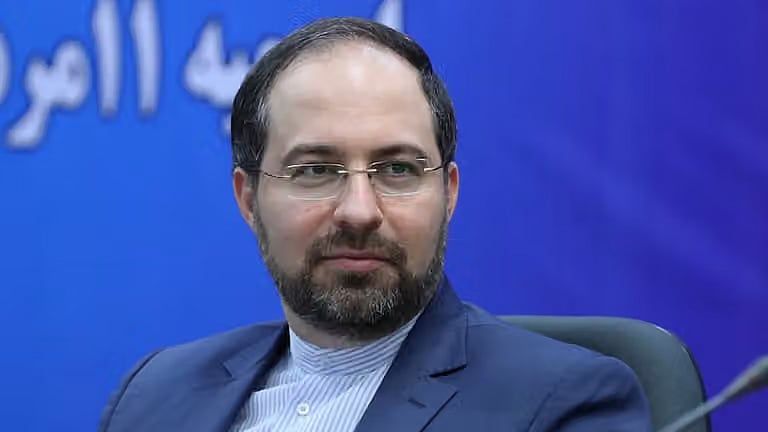
Canada deports Iran's 2019 crackdown spokesman: Former interior ministry face of bloody protests deported under Ottawa's hardline Iran sanctions
Canada has deported a former senior Iranian government official who served as the public face of Tehran's Interior Ministry during the November 2019 protests that left at least 304 people dead, according to Amnesty International. The removal represents the second deportation under Canada's 2022 policy that renders senior Islamic Republic officials inadmissible to the country.
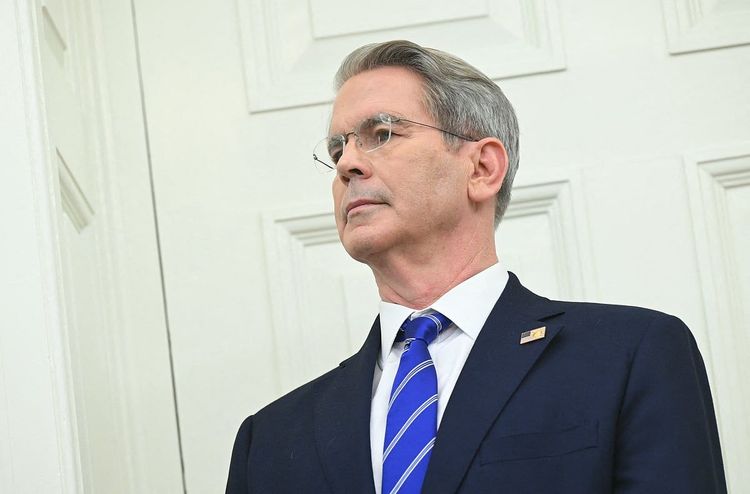
The Canada Border Services Agency confirmed that Syed Salman Samani, who held positions as deputy interior minister and official government spokesman, was expelled after a federal court rejected his final appeal against the deportation order. Samani had entered Canada in October 2021 on a tourist visa following his resignation from government service after a 14-year career as a politician in the Islamic Republic, from 2007 to 2021.
Immigration authorities determined Samani was inadmissible as a prescribed senior official in the service of a designated regime. In arguing against his removal, he told the Immigration and Refugee Board that returning to Iran could expose him to torture, execution or suicide.
Scale of the 2019 crackdown
Samani served as the Interior Ministry's official spokesman during the November 2019 protests, when Iranian security forces killed hundreds of demonstrators across the country. Amnesty International documented at least 304 deaths, with more than 220 people killed over just two days on November 16 and 17, 2019. The Iranian government imposed a near-total internet shutdown from November 15 to 19 during the crackdown, which helped conceal the scale of the killings.
As deputy interior minister and spokesperson during this period, Samani helped promote the regime's official narrative and counter opposing accounts of the violence. The Interior Ministry oversees Iran's Law Enforcement Forces, which number approximately 200,000 to 300,000 personnel nationwide. Though these forces formally fall under the ministry, their commander is appointed by the Supreme Leader and is typically an Islamic Revolutionary Guard Corps general officer.
Canada's expanding sanctions framework
In November 2022, Ottawa formally designated Iran's government as one that engages in terrorism and systematic human rights violations. The designation rendered tens of thousands of senior members of the Iranian regime, including many Islamic Revolutionary Guard Corps members, inadmissible to Canada. Initially focused on officials who served from November 2019 onward, the policy was expanded in September 2024 to cover senior officials dating back to June 23, 2003.
The 2003 cutoff date ties to the case of Zahra Kazemi, a Canadian-Iranian photojournalist who died in Iranian custody in July 2003 after being arrested for photographing protesters outside Tehran's Evin Prison. She was allegedly tortured, raped and beaten before her death. The expansion was framed as part of Canada's continued response to what the government called the egregious actions of the Islamic Republic of Iran, sending a message that Canada will not serve as a safe haven for senior regime members who engage in terrorism and human rights violations.
This builds on Canada's 2012 designation of Iran as a state supporter of terrorism under the State Immunity Act, which in conjunction with the Justice for Victims of Terrorism Act allows victims to bring civil actions against Iran for losses or damages from terrorism-linked acts.
Broader enforcement pattern
Samani is the second Iranian official deported under the 2022 measures. Majid Iranmanesh, a director general at Iran's Vice-Presidency for Science and Technology, was the first to be removed, with his deportation order issued on February 2, 2024. As of March 2024, the Immigration and Refugee Board was considering deportation cases for nine additional suspected senior Iranian officials, with at least 32 suspected high-level officials identified during the immigration crackdown that began in 2022.
The enforcement comes amid longstanding complaints from Iranian-Canadians that members of the regime they fled have been entering Canada and sometimes providing support to Tehran, using the country as a safe haven. Rights groups and Iranian diaspora advocates are pushing Ottawa to expand enforcement beyond individual cases, arguing that isolated deportations are insufficient to demonstrate accountability for officials tied to repression.
With Samani's appeal dismissed, the removal demonstrates Canada's willingness to enforce the ban through actual deportations, not merely visa cancellations, underscoring Ottawa's commitment to holding Iranian officials accountable for their roles in the regime's actions.