US strikes Qeshm missile site after Iranian drone attack on Bahrain
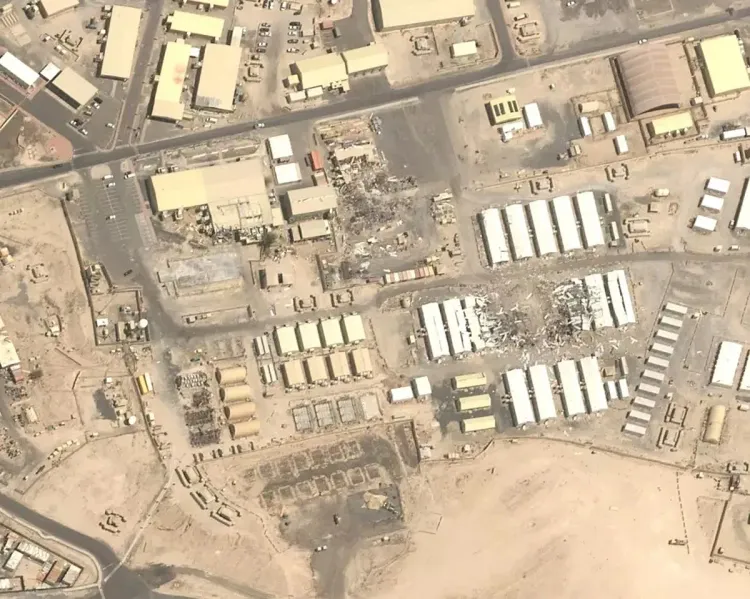
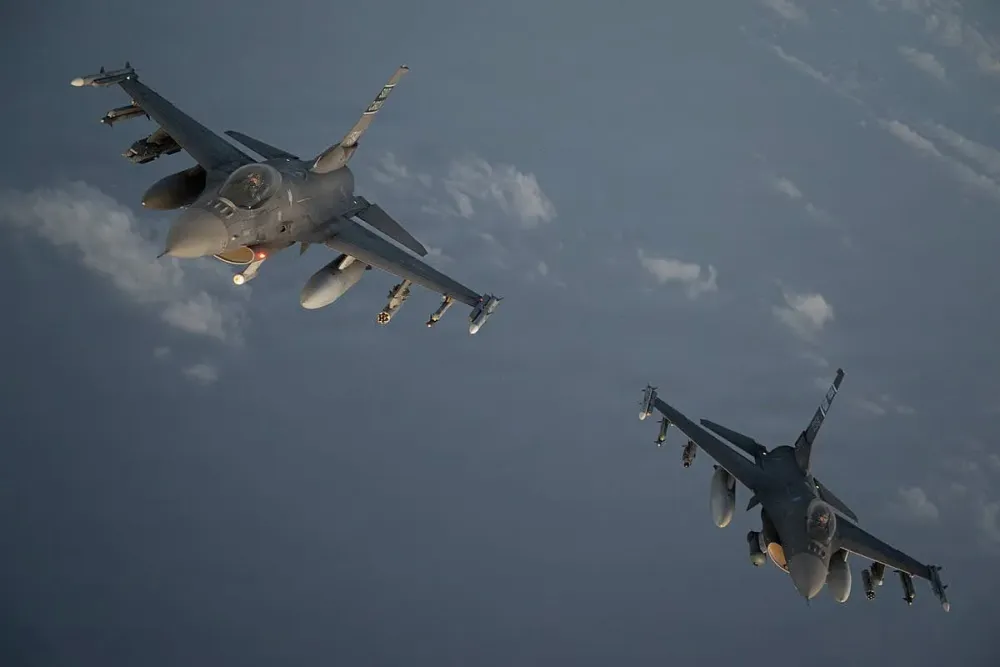
US fighter jets attacked an Islamic Revolutionary Guard Corps missile launch site on Iran's Qeshm Island late November 17, hours after Iranian drones targeted Bahrain. A US military official characterized the strike as self-defense; US Central Command said the drones had been intercepted without harming American personnel or equipment.
 Omar Al Nuaimi
Military damage remains unclear
The US military official said the aircraft fired precision munitions. "The strike was in response to IRGC aggression targeting US personnel and assets," the official said, adding that Central Command "remains highly vigilant and fully postured to protect Americans across the region."
Reports from Iranian media identified the target as an air-defense missile launcher in Qeshm's Nariman area. Tasnim, an agency affiliated with the IRGC, reported several projectile impacts on the island. Damage to military facilities remained unclear, while provincial official Ahmad Nafisi said residential areas, commercial areas and vital infrastructure were undamaged.
Iranian forces also made two distinct claims involving US drones. The army said domestically developed air defenses had downed a LUCAS drone over the Strait of Hormuz. The US had not commented on that account.
In the other claim, reported by IranWire, the IRGC said it took control of an American drone's control system, brought the aircraft down intact south of Qeshm and captured it. The Guards identified it as an "MQM-170." Central Command had not responded to that claim by the time IranWire published its report.
Third Bahrain drone attack in less than a week
Before the Qeshm strike on Tuesday, the IRGC said it had attacked an American radar system at Bahrain's Isa Air Base. It described the operation as a response to alleged incursions into Iranian airspace by US military drones. Central Command said it intercepted the Iranian one-way attack drones and reported no injuries to Americans or damage to US equipment.
Bahrain hosts the US Navy's Fifth Fleet, according to Al Jazeera and IranWire. Al Jazeera described the November 17 attack as the third such attack on Bahrain in less than a week.
On Sunday, November 15, the Guards said they had sent six drones against a US air-defense radar system at Bahrain's Riffa airbase. They had also claimed an attack on an American early-warning radar system in Bahrain on Friday. The US military disputed that the Friday attack hit the facility, saying two drones were intercepted without damage or casualties.
The exchanges are part of the broader US-Israel war on Iran, which began February 28, 2026, and has affected the entire Gulf region, Al Jazeera reported.
Regional condemnation amid diplomatic efforts
The latest attacks threatened efforts to ease the conflict as Qatar prepared to discuss proposals with Iranian officials aimed at narrowing Tehran's differences with Washington. Iranian Foreign Minister Abbas Araghchi had also visited Pakistan and Oman for talks covering maritime security and the restoration of international shipping.
In a phone call with Bahraini Foreign Minister Abdullatif bin Rashid Al Zayani, Secretary of State Marco Rubio denounced the attacks and reiterated Washington's support for Bahrain's security. Riyadh urged Iran to stop attacks throughout the region immediately and allow diplomacy a chance.
Doha also condemned the attacks, describing their continuation as a serious escalation that undercut attempts to reduce tensions.
Spokesman Hossein Mohebbi accused Bahrain's government of assisting attacks against Iran and depending on a US "security bubble." He warned that this reliance would put the government's survival in doubt under a new regional security order.
Vessel hit again near Oman
The UK Maritime Trade Operations agency reported that a vessel about seven nautical miles north of Khasab, Oman, had been struck for a second time. The attack started a fire. The crew remained unaccounted for, and the extent of the damage was not known.