Gargash Calls for Deterrence, Diplomacy and Stronger Gulf Security Cooperation
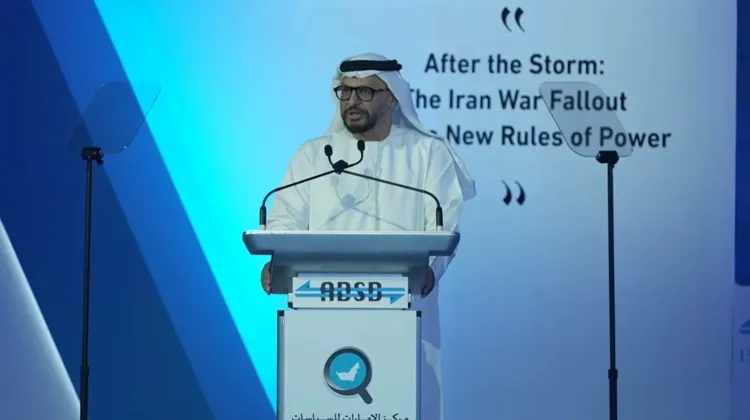
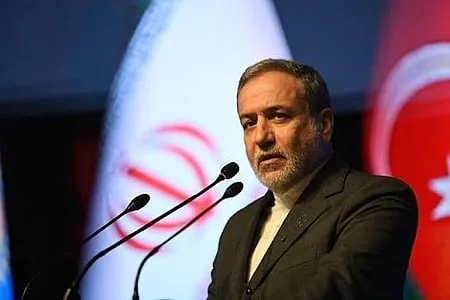
The UAE's diplomatic adviser, Dr. Anwar Gargash, urged Gulf countries to strengthen joint security efforts, warning that threats to Saudi Arabia also endanger the UAE and the wider region. Addressing the UAE Government Annual Meetings 2026, he said lasting regional security requires both credible deterrence and diplomacy.
 Omar Al Nuaimi
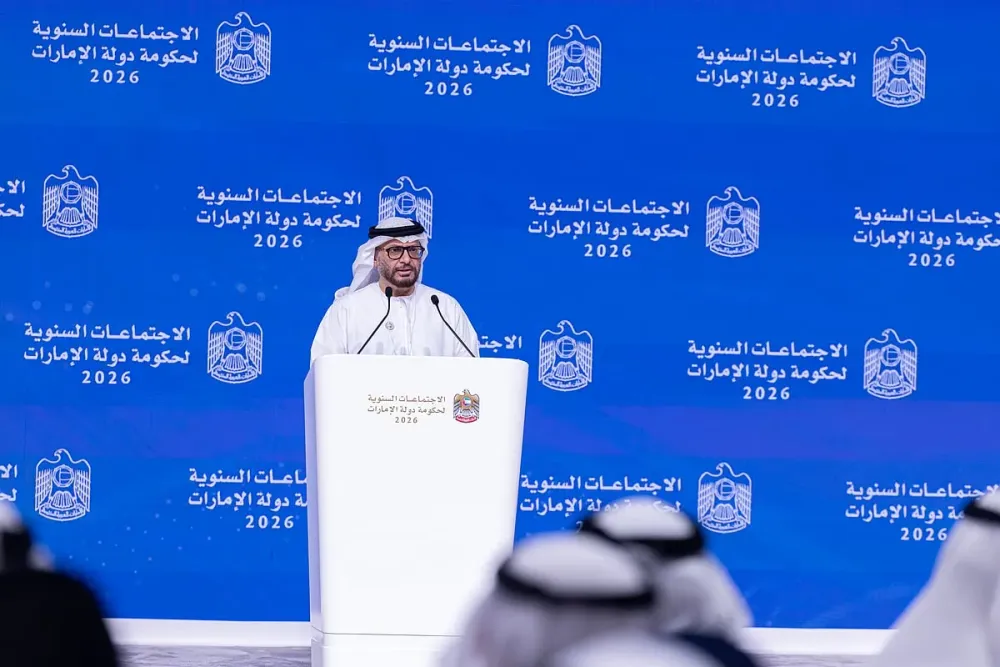
A call for collective Gulf action
Gargash, diplomatic adviser to President Sheikh Mohamed bin Zayed Al Nahyan, called for renewed cooperation among Gulf states, with particular emphasis on security and defense. He urged them to reinforce collective security arrangements and described deterrence and diplomacy as mutually dependent pillars of UAE policy.
"Neither can be effective without the other. Deterrence strengthens the credibility of diplomacy, while diplomacy succeeds when pursued from a position of equality and strength. This is the best path towards stable and sustainable regional security," he said.
His keynote also set out the UAE's broader approach under Sheikh Mohamed: pursuing stability, building on national achievements and fostering cooperation across civilizations with countries and peoples around the world. Despite global crises, he said, the country remained committed to balance, dialogue and political solutions.
Gargash contrasted that approach with an international environment of political posturing and disinformation. He said the UAE's leadership believed a nation's standing depended on what it delivered for its people, and that the country's achievements were its strongest message to the world.
Recent warnings over the US-Iran conflict
The keynote followed two other appearances in which Gargash addressed the regional outlook. At the 22nd IISS Manama Dialogue in Bahrain on November 1, 2026, he expressed hope for a US-Iran diplomatic breakthrough while saying the UAE remained "braced for the worst". He said renewed conflict would not serve the region's interests.
At that forum, GCC Secretary-General Jasem Mohamed Al Budaiwi said Gulf states were still prepared to negotiate with Tehran, but that diplomacy needed a reciprocal response. He said GCC countries had neither started nor sought the conflict, yet Iranian attacks had caused casualties and damaged civilian and critical infrastructure.
According to Gulf News, Al Budaiwi also urged a return to the navigation conditions in the Strait of Hormuz that existed before February 28, 2026, the date the US-Iran war began.
At the Abu Dhabi Strategic Debate on November 9, Gargash said uncertainty could persist for a prolonged period and that a comprehensive political settlement between Washington and Tehran appeared difficult. He reiterated that the UAE had opposed the war from the beginning.
Gargash said the conflict required stronger UAE defense capabilities, credible deterrence and closer international security partnerships. He thanked France, Israel, Greece, Egypt and India for their support.
Development priorities and readiness
Alongside regional security, Gargash's annual meetings address focused on the UAE's development record. He attributed what he described as the country's global leadership in artificial intelligence and digital transformation to early foresight and sustained work. He also cited Etihad Rail among the major strategic projects demonstrating its determination to pursue present and future goals despite challenges.
The meetings brought 500 federal and local government leaders and officials to Abu Dhabi to examine national priorities, review accomplishments and challenges, and coordinate government plans. The forum began in 2017 under directives from Sheikh Mohammed bin Rashid Al Maktoum.
At the same gathering, Minister of Cabinet Affairs Mohammad bin Abdullah Al Gergawi announced that projects totaling more than Dh4 trillion ($1.09 trillion) were under way across the UAE. "Our nation does not stop," he said.
Gargash outlined three linked priorities: reinforcing the UAE's national development model; handling long-running regional crises with patience and flexibility; and adjusting to shifts in the international order, the global economy and technology.
He said the UAE would move faster in pursuing its approach, with infrastructure able to keep functioning under pressure and institutions capable of responding quickly as circumstances changed.