Gargash says Iran must change its behavior to rebuild trust with UAE
Iran cannot repair damaged trust through statements alone, UAE presidential diplomatic adviser Anwar Gargash said in Abu Dhabi. He called for diplomacy alongside deterrence, saying the UAE would continue to protect its security and partnerships while seeking a negotiated solution.
 Omar Al Nuaimi
A crisis of confidence after months of war
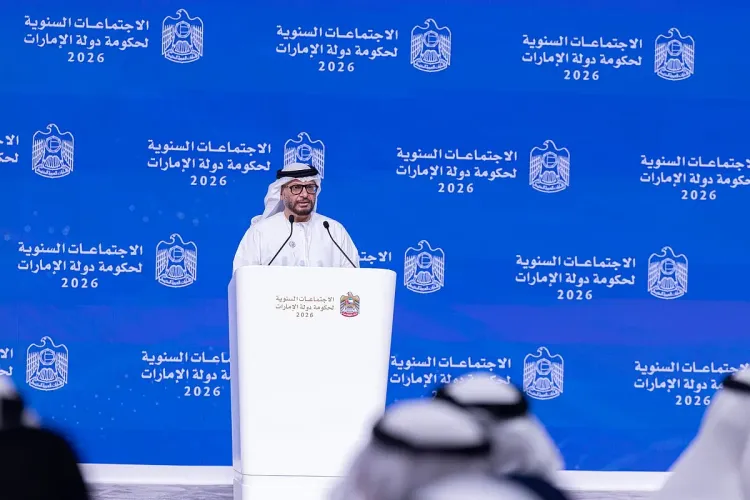
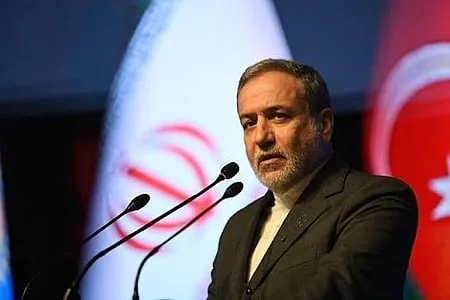
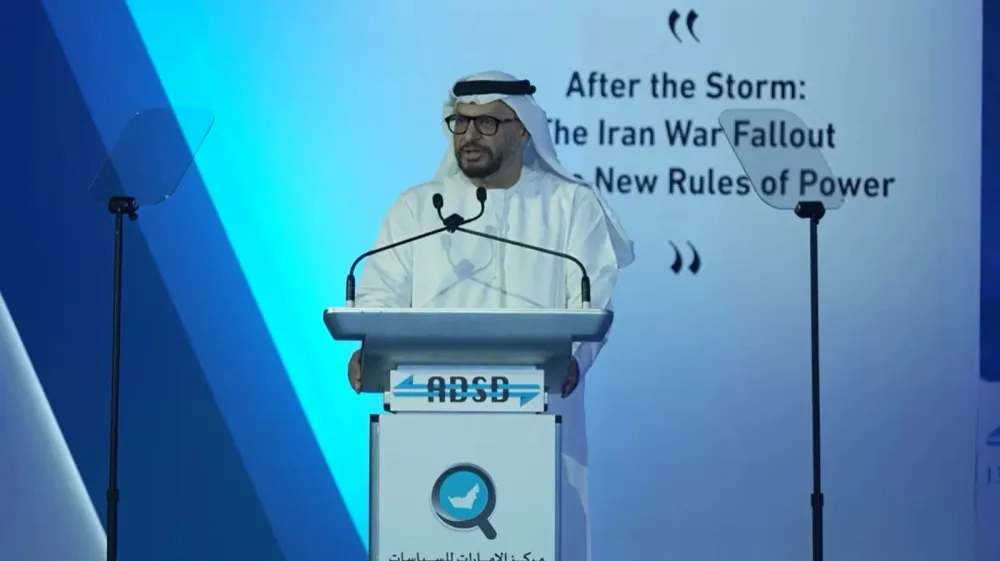
Addressing the 13th Abu Dhabi Strategic Debate, Gargash said Iranian attacks had eroded the confidence needed for stable relations with neighboring countries. Restoring that confidence would require changes in Iran's behavior, he said.
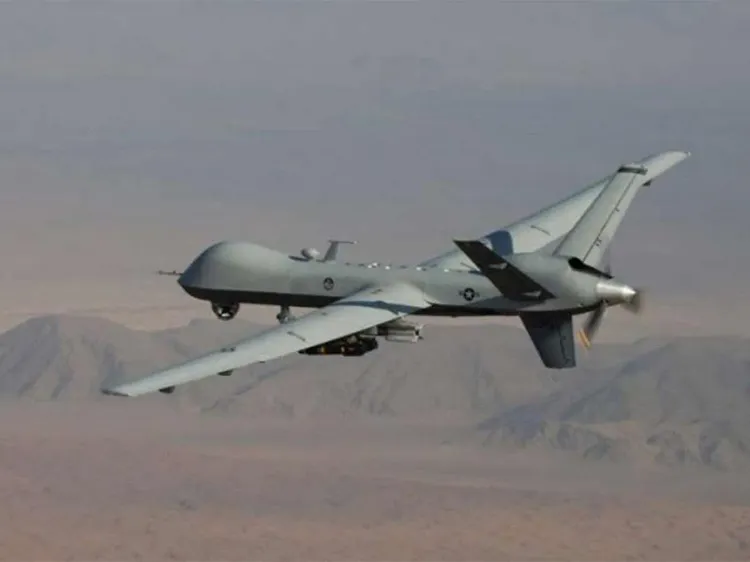
The conflict began on February 28, 2026, with joint US-Israeli strikes on Iran. Tehran retaliated by launching missiles and drones at Gulf Cooperation Council countries, including the UAE. According to Gulf News, Gargash said the UAE faced approximately 3,300 missiles and drones, bearing the brunt of Iranian military attacks among GCC states.
Gargash said the UAE had opposed the US war with Iran from the beginning and had used diplomatic channels to try to prevent a regional conflict.
The debate was held November 9-10, 2026, at the Emirates Palace in Abu Dhabi. Its theme was "After the Storm: The Iran War Fallout and the New Rules of Power." The Emirates Policy Center has organized the gathering annually since 2014.
Defense and the costs of the conflict
Gargash described the war and the continuing crisis as the UAE's greatest test since its founding in 1971 and one of the Gulf region's most serious challenges. Its effects extended beyond military operations to economic disruption, security pressures and other consequences that required attention, he said.
The conflict tested both the country's defenses and its capacity to endure and recover quickly, Gargash said. He argued that the UAE had emerged stronger, demonstrating institutional strength and a sustained strategy. The damage should neither be minimized nor allowed to obscure that broader assessment, he said.
He praised the armed forces' professionalism and expertise in protecting the country and its people. He credited the UAE's strategic planning and defense establishment with building an integrated defense system, and said the performance of the military and air defenses reflected decades of investment in national talent, advanced technology and strategic partnerships.
Gargash also credited President Sheikh Mohamed bin Zayed Al Nahyan with guiding the country through exceptional circumstances with wisdom, clarity and firmness. That leadership, he said, strengthened the UAE's standing and international confidence in it.
The central security lesson was that the state must be able to defend its own sovereignty and interests, with dependable partners reinforcing that capacity, Gargash said. The UAE had demonstrated that it was not the region's weakest security link. Diplomacy and deterrence, he added, were complementary rather than competing choices.
Shipping rights and regional partnerships
Gargash rejected the use of freedom of navigation as a means of economic manipulation. According to Gulf News, he opposed any unilateral Iranian arrangement that would put international shipping through the Strait of Hormuz under Tehran's control. Navigation must not become a tool of political coercion, he said, and the security and management of waterways should not depend on one country's political preferences.
The war also underscored the value of defense and security cooperation with Washington, Gargash said, according to Khaleej Times, citing Reuters. He thanked France, Israel, Greece, Egypt and India for their "support and solidarity" during the conflict.
His assessment of cooperation within the Gulf was more critical. Gulf solidarity "could've been stronger and more effective", he said, acknowledging shortcomings in GCC coordination and calling for trust to be rebuilt among Gulf partners.
Diplomatic prospects remain uncertain
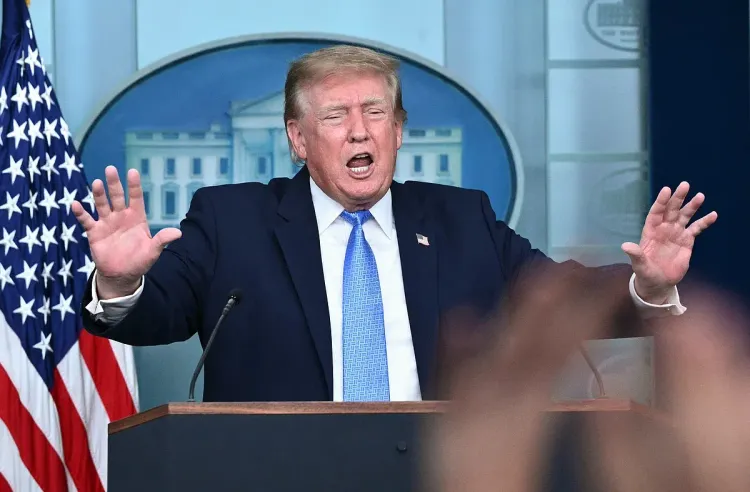
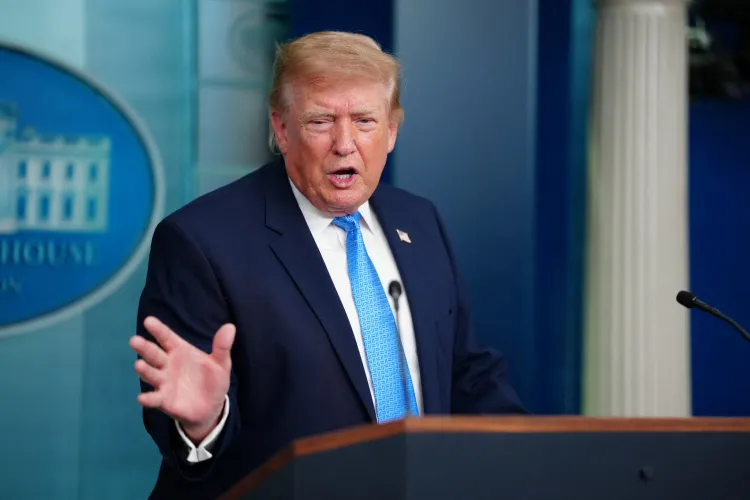
Gargash said the UAE would keep defending its security and partnerships while advocating a diplomatic settlement and contributing to regional balance. He cautioned that it was too early to judge how the US midterm elections would affect Washington's handling of the conflict, but expressed hope that they would support diplomacy capable of securing lasting regional peace and stability.
By November 9, the war had continued for more than eight months. US Secretary of State Marco Rubio said on Sunday, November 8, that he did not believe diplomatic efforts to end it were close to a breakthrough.