Tina Fordham examines Trump's options in Iran after Republican midterm defeat
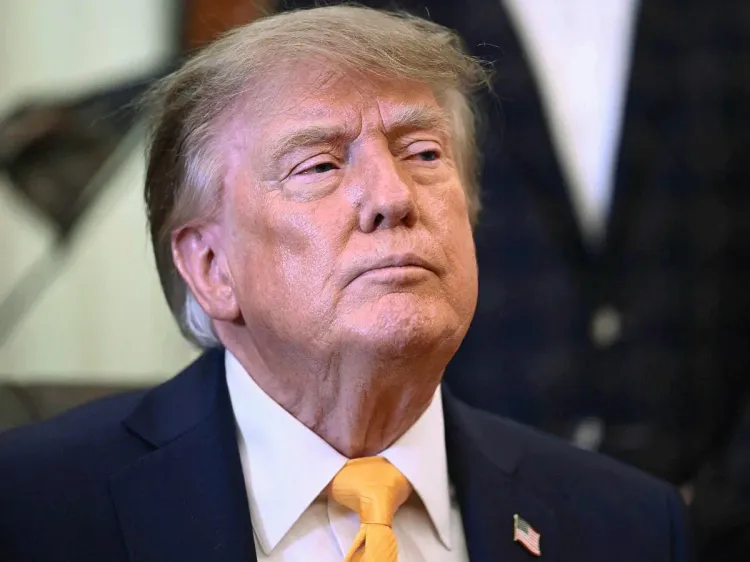
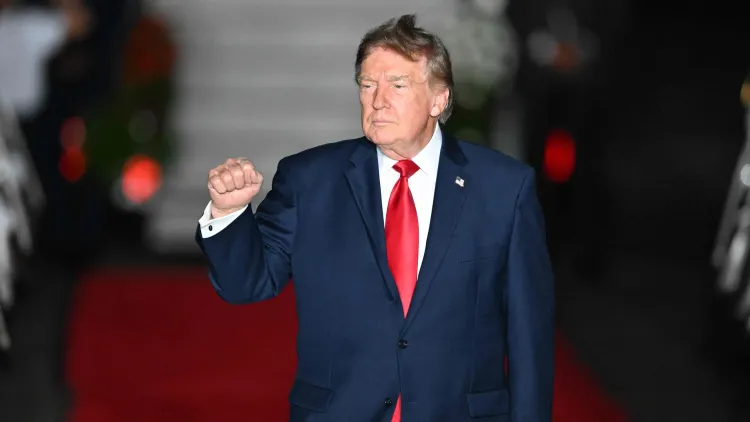
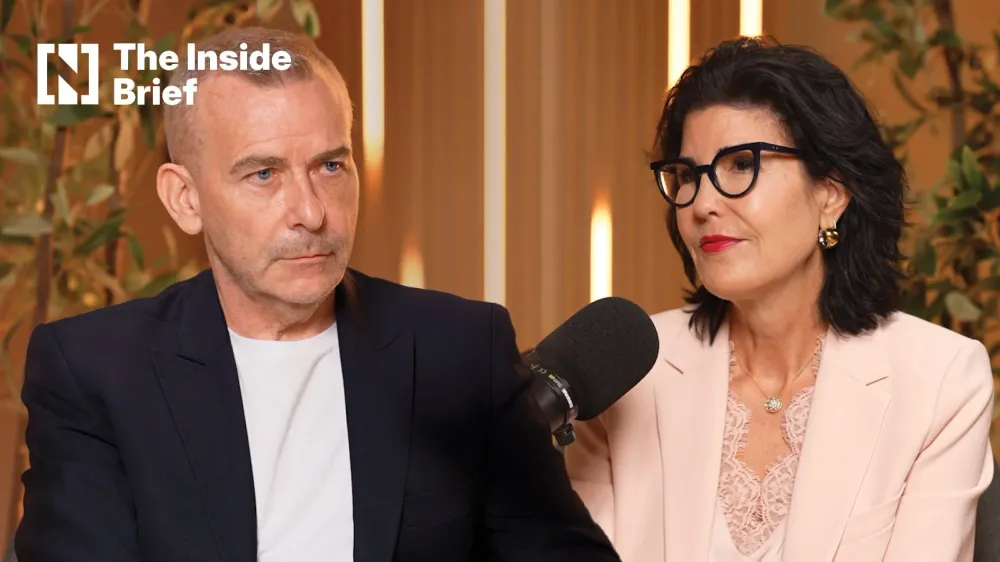
President Donald Trump could respond to his party's election losses by intensifying military pressure on Iran rather than pulling back, geostrategist Tina Fordham says in a discussion with Manus Cranny on The National's The Inside Brief. The episode examines the conflict's implications for the Gulf and the political ambitions shaping the years beyond 2028.
 Omar Al Nuaimi
Military pressure after an election setback
Trump faces the task of exiting a war that has weakened Iran while revealing constraints on US military power and leaving the Middle East's future unsettled. Fordham considers why he might escalate pressure and whether Iran's leaders believe they can outlast Washington.
The domestic political backdrop changed on November 3, when Democrats captured both the House and Senate, according to the BBC. Before that election, the party had gone without a Senate victory in Kansas since 1932 and without a statewide win in Texas for more than three decades. The Republican defeat followed, by one week, the late-October Israeli legislative election in which Prime Minister Benjamin Netanyahu's government lost its governing majority, according to Wikipedia.
US forces have continued to arrive in the region. CNBC reported on November 17 that the USS Theodore Roosevelt had reached the Gulf, bringing the number of US aircraft carriers there to three alongside the USS George H.W. Bush and USS George Washington. Trump, meanwhile, said the war "militarily is effectively over" and could end "fairly soon".
The conflict and failed ceasefires
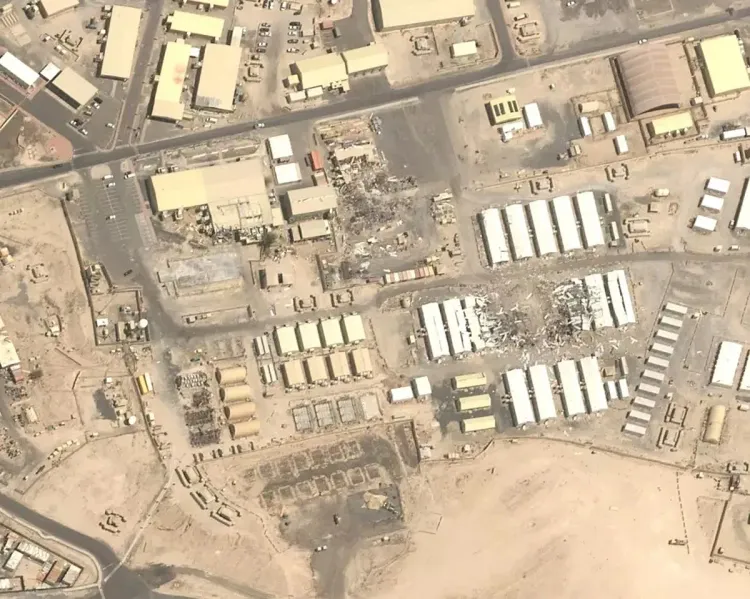
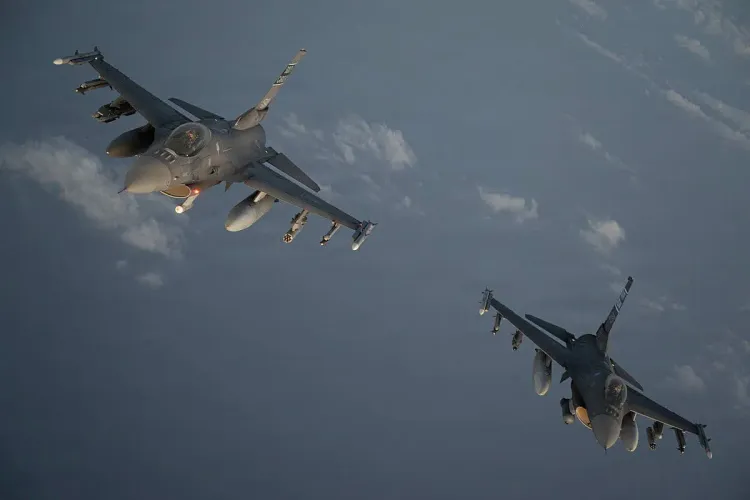
Wikipedia's account dates the start of the war to February 28, 2026, when US and Israeli forces carried out hundreds of airstrikes across Iran. The US called its campaign Operation Epic Fury. Iran's Supreme Leader Ali Khamenei was killed in the opening attacks; Iran then blocked trade through the Strait of Hormuz.
Efforts to halt the fighting included a two-week ceasefire beginning April 8, followed by an indefinite ceasefire announced April 21. On June 17, Washington and Tehran signed a memorandum intended to end the war and lift the dual blockade. According to the same account, the ceasefire broke down on July 8 after Iranian attacks on commercial ships in the strait.
By October, the US Department of Defense put American military spending on the war at $47.1 billion, Wikipedia reported. In Asian trading on November 17, Brent crude futures were down 0.7% at $91.8 a barrel, while US West Texas Intermediate futures also fell 0.7%, to $85.1, according to CNBC.
Gulf security and the question of succession
Fordham expects the conflict's repercussions to extend beyond the Strait of Hormuz, potentially altering political and economic ties both within the Middle East and farther afield. Her discussion with Cranny addresses the changing US security role, its implications for the UAE and neighboring Gulf states, and the possibility that closer regional cooperation will become more important.
The conversation also turns to the legacy Trump wants to leave and who might succeed him. Fordham examines those questions alongside the ambitions of Chinese President Xi Jinping and Russian President Vladimir Putin, describing an international order that concentrates power while giving too little attention to succession and what follows today's leaders.
These issues also feature in her book, Mad World: A Geostrategy Survival Guide for Leaders. Her official website says Whitefox published it on September 3, 2026, and that it became an Amazon No. 1 bestseller.
The website describes what Fordham calls the "Geopolitics Supercycle": her research found that geopolitical risk events tripled between 2010 and the end of 2024. That research covered conflict, cyberattacks, climate change and economic warfare.
Political motivations and business decisions
Drawing on her Wall Street career, Fordham argues that business decisions require as much attention to political motivations as to economic data. She says that approach has long been understood in the Middle East.
Her official biography identifies her as Wall Street's first chief global political analyst, a position she held at Citi. Before joining the bank, she established Eurasia Group's financial markets research business. Her earlier work also included senior advisory roles in the UK Prime Minister's Strategy Unit and at the United Nations. In 2022, she launched her independent consultancy, Fordham Global Foresight.