Attack on Saudi East-West Pipeline Causes Fire but Leaves Operations Unaffected
An attack in Saudi Arabia's Medina region caused a small fire along the East-West Pipeline on Monday, an official Ministry of Energy source said. The fire was quickly extinguished, and the ministry reported no casualties or disruption to pipeline operations.
 Omar Al Nuaimi
Emergency crews secure the site
Emergency responders and technical specialists were dispatched immediately to control the fire and secure the area. The ministry source said authorities followed established emergency procedures and took measures to protect the facility.
Earlier attacks disrupted flows
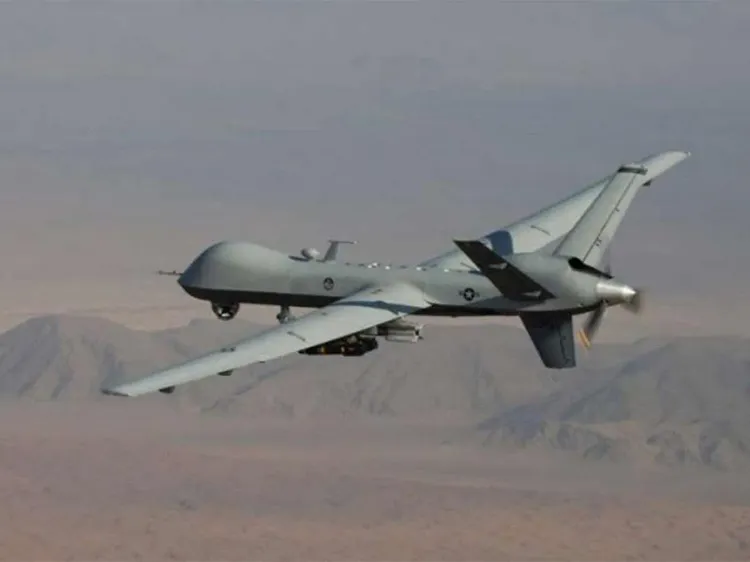
Monday's incident follows several attacks on the pipeline, though not all have had the same operational impact. On Sept. 10, 2026, drone strikes in the Riyadh and Medina regions prompted a precautionary shutdown that continued until Sept. 22. Saudi officials said those drones had been launched from Iraq.
Accounts differed over the effects of an Oct. 4 attack on a pumping station in Khurais. A Saudi energy-sector source told AFP that flows stopped again, while Bloomberg reported that oil was still moving.
The pipeline's history of attacks dates to May 2019, when Houthi drones hit a pumping station. Another pumping-station strike on April 9, 2026, reduced throughput by about 700,000 barrels per day; Saudi Arabia restored full capacity days afterward.
A route to the Red Sea
The East-West Pipeline, officially called the Petroline, carries crude from Saudi Arabia's eastern oil-producing region to its Red Sea facilities. Its 1,200-kilometer route, roughly 750 miles, connects the Abqaiq processing hub near the Persian Gulf with the port of Yanbu. It is the country's primary strategic route for bypassing the Strait of Hormuz.
Shipping on the Red Sea has also faced attacks. Yemen's Iran-backed Houthis announced a maritime blockade of Saudi Arabia in July 2026 and have repeatedly targeted Saudi tankers. In September, they took control of the area surrounding the Bab al-Mandab Strait, the Red Sea's southern gateway.
The Petroline has a design capacity of about 7 million barrels per day, compared with typical prewar flows of around 2 million barrels per day. According to Fortune, Aramco brought flows up to the full 7-million-barrel daily capacity by late March 2026. About 2 million barrels per day went to Saudi refineries rather than export markets.
Aramco is working on an expansion to increase capacity from about 7 million to 10 million barrels per day. Saudi Energy Minister Prince Abdulaziz bin Salman said the project would take two to three years.