Trump Threatens Wider Attacks on Iran as Tehran Pursues Regional Talks
President Donald Trump warned Thursday that the US could "destroy the rest of the country" as he weighs expanding the war against Iran. Tehran meanwhile pursued talks with Gulf governments and Moscow, while Defense Secretary Pete Hegseth faced a planned impeachment vote in the House.
 Omar Al Nuaimi
Trump weighs further military action
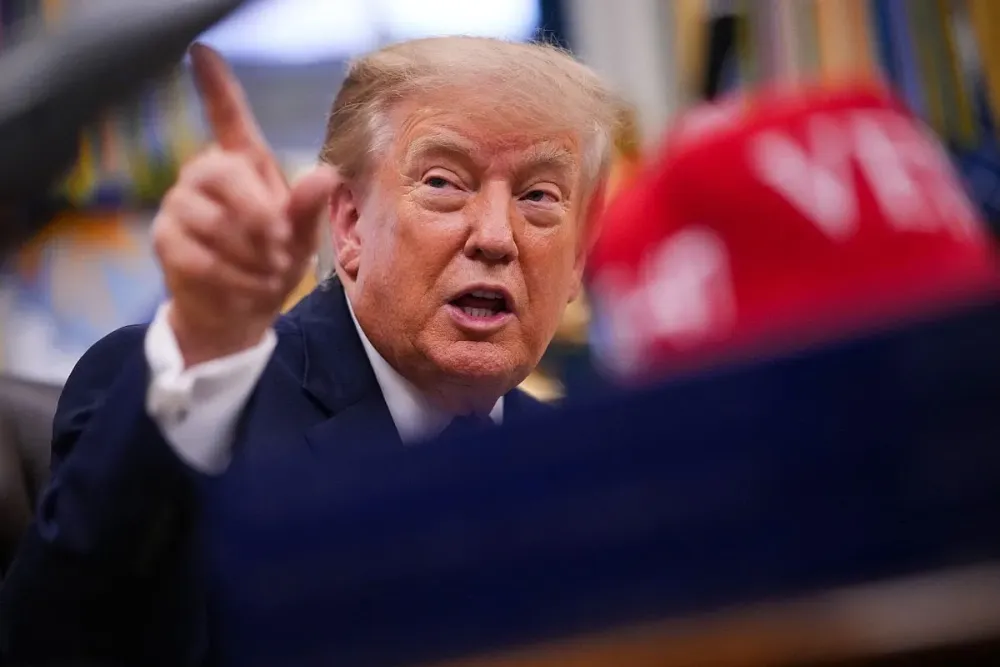
After an Oval Office meeting with his national security team, Trump said a decision on whether to "go further" would come soon. He linked that decision to preventing Iran from reviving its nuclear program but gave no details of potential strikes. Although he said he would prefer not to destroy the rest of Iran, he added, "maybe I'll have to," and said people would "know soon enough."
Trump estimated that rebuilding Iran could take 25 to 30 years. He also acknowledged 18 US military deaths in the conflict, which began with US-Israeli strikes on February 28, 2026, more than eight months earlier. Separately, Stars and Stripes cited Defense Department figures showing 11 combat deaths, 12 non-hostile deaths and more than 850 injured US troops.
Rep. Yassamin Ansari condemned Trump's warning on X as a threat to annihilate a country of 90 million people. She described it as a crime against humanity and urged Democrats to end what she called Trump's "reckless war of choice" when they regain both chambers of Congress.
Hegseth's impeachment fight
Trump's warning followed Democratic midterm victories that raised questions about his room to act before the new Congress takes office. His defense secretary is also facing a challenge: Rep. Thomas Massie plans to force a House impeachment vote when lawmakers return the week of November 9.
Massie introduced eight articles against Hegseth in September, including an accusation that he waged war against Iran without congressional authorization, according to Stars and Stripes. Massie lost his May primary and has fewer than 60 days remaining in his term.
Hegseth dismissed the impeachment effort as a "sham" in a video Thursday and rejected demands that he leave office. Trump backed him on November 5, saying he had "every intention" of retaining him as defense secretary.
Gulf diplomacy amid mounting shipping threats
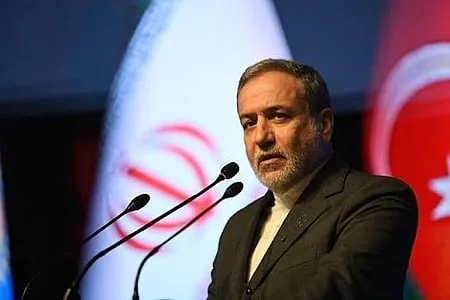
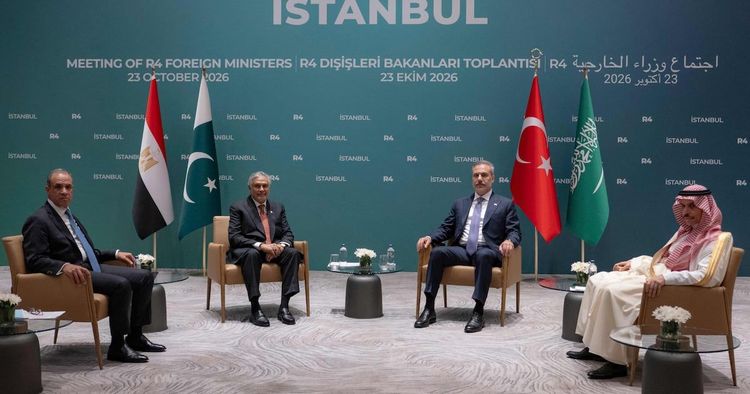
Iranian Foreign Minister Abbas Araghchi discussed regional issues with Saudi Foreign Minister Faisal bin Farhan by phone Thursday, Iranian state media reported. In another call, Araghchi and UAE Deputy Prime Minister and Foreign Minister Sheikh Abdullah bin Zayed Al Nahyan reviewed regional developments.
Oman and Iran also called Thursday for lasting understandings on maritime security, an end to the war and measures to prevent another confrontation.
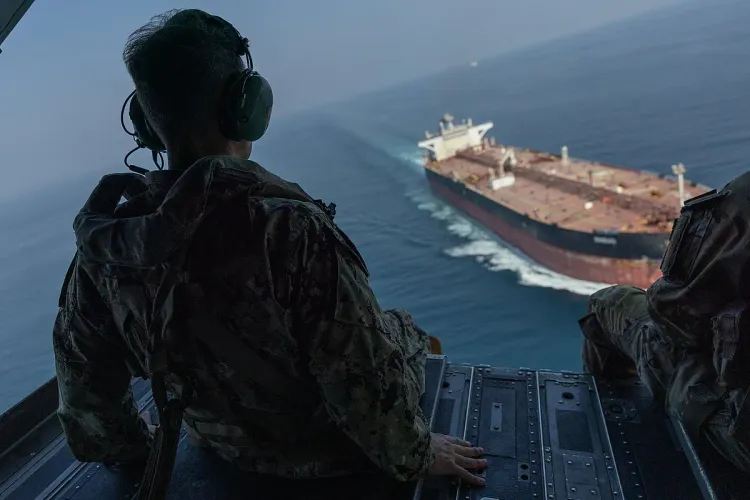
Those talks came as the Joint Maritime Information Centre reported increased Iran-linked attacks, attempted attacks and surveillance involving commercial ships around the Strait of Hormuz. Its November 5 Update 111 advisory, distributed by United Kingdom Maritime Trade Operations, recorded four attacks over 96 hours, up from three in the previous reporting period. Shipping traffic remained well below prewar levels.
The center's earlier Update 110, covering the period through November 1, counted three attacks during that period and 18 confirmed attacks since October 6. About 490 vessels were waiting outside the strait on November 1. The advisory listed 119 US-facilitated transits over October 29-31 and a historical traffic average of roughly 138 vessels a day, based on 2025.
Message to Putin and a proposed gas pipeline
At a November 5 Kremlin meeting, Iranian Supreme National Security Council Secretary Mohsen Rezaei personally handed Vladimir Putin a message from Iran's Supreme Leader Mojtaba Khamenei. The message's contents were not made public.
Rezaei said Putin pledged to do everything possible to end the conflict, strongly condemned attacks on Iran's nuclear facilities and described the war against Iran as unjust.
Rezaei also announced that Russia would build a gas pipeline to Iran. He said the initiative was intended to let Iran stop consuming its own gas and sell Russian gas to neighboring regions. No route, length, annual capacity, financing arrangements or construction schedule have been announced.
Russian gas supplies have been under discussion for years. In January 2025, Russian Energy Minister Sergei Tsivilev said the countries had discussed a route through Azerbaijan, initially carrying up to 2 billion cubic meters annually and potentially increasing to 55 billion cubic meters. Iranian Oil Minister Mohsen Paknejad said in July 2026 that an agreement was close to being finalized.
Saudi interceptions and oil trading
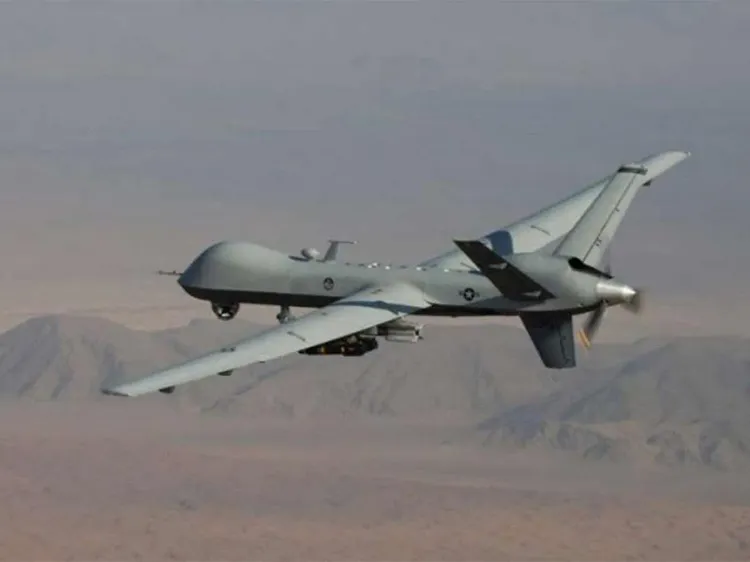
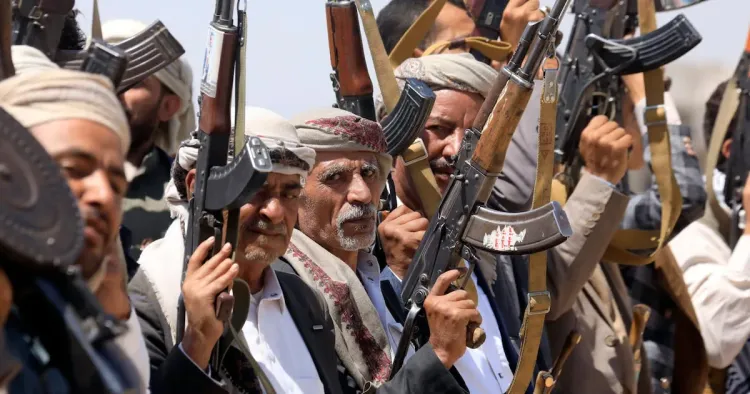
Saudi air defenses intercepted a Houthi ballistic missile targeting Najran and the Medina region, along with a drone over the Eastern Province. Civil Defense authorities issued an alert for an unspecified threat in southern Najran before declaring that the danger had passed.
Oil prices retained gains Friday after recovering from a two-month low, with uncertainty over Iran and tanker attacks sustaining buying interest. At 8:41 a.m. Beijing time on November 6, Brent crude futures were trading at $98.29 a barrel, an increase of $3.67, or 3.88%.