Trump plans pause in new Iran strikes, citing Gulf appeals to maintain blockade
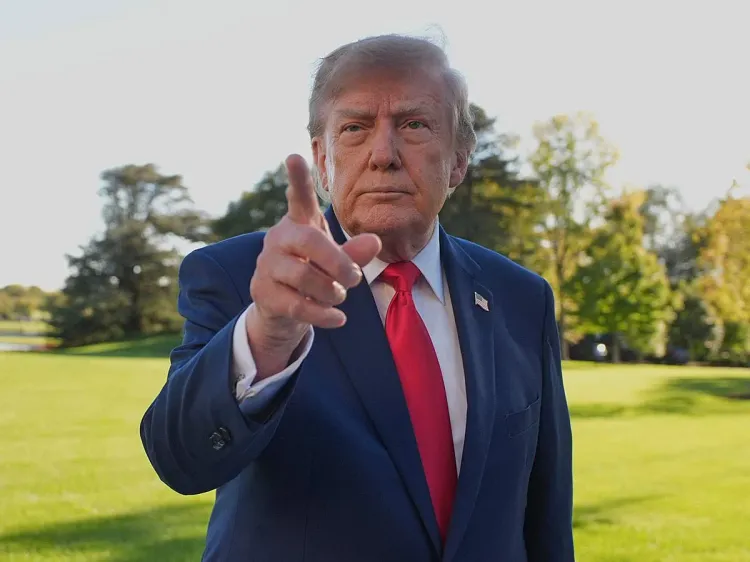
President Donald Trump said he would refrain from launching new strikes against Iran for now at the urging of regional governments, including Qatar, Saudi Arabia and the United Arab Emirates. The US naval blockade in the Strait of Hormuz will remain in place as diplomatic efforts continue alongside attacks in the region.
 Omar Al Nuaimi
Gulf appeals and Qatar's mediation
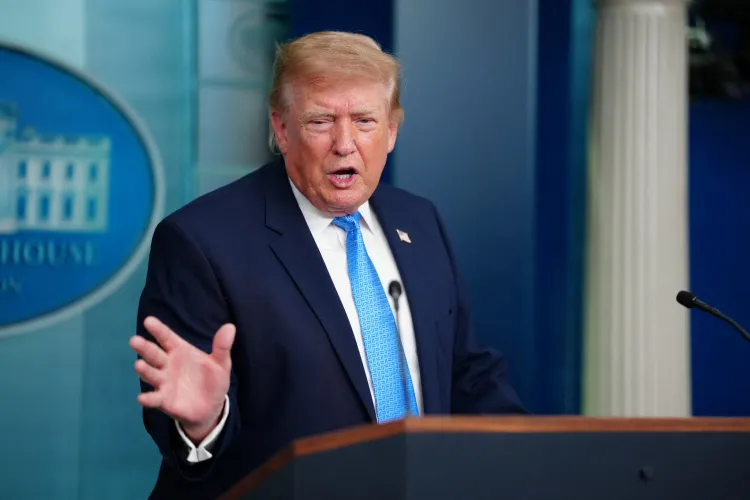
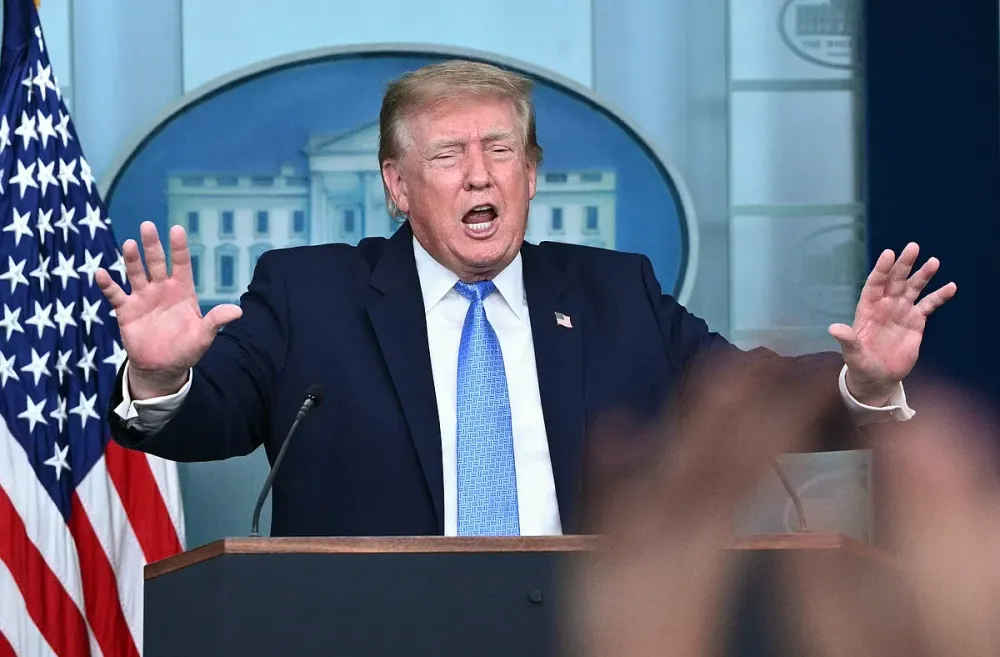
Trump outlined his position in an interview with Reuters and later before reporters in the White House briefing room. His remarks followed a meeting with Qatari Prime Minister Sheikh Mohammed bin Abdulrahman Al-Thani, who has helped mediate with Tehran.
"The United States of America is fully locked and loaded with the best equipment ever made, and we don't think there's going to be any reason to use it," Trump said.
According to Trump, Qatar, Saudi Arabia, the UAE, Bahrain, Kuwait and other neighboring countries favor maintaining the blockade rather than launching additional attacks. He also cited the new Operation Iron Gate as part of the continuing pressure on Iran.
Al-Thani, who also serves as Qatar's foreign minister, traveled to Tehran last week before his White House visit. He described his discussions with Trump and Vice President JD Vance favorably, writing on X: "Grateful for the positive discussions on reaching a deal and bringing peace to the region."
Qatar has carried messages between Washington and Tehran and offered proposals to narrow their differences since early in the war. Vance, who negotiated a truce in June that proved short-lived, is also scheduled to meet Al-Thani.
Competing terms for ending the war
The diplomatic push comes after last week's US midterm elections, in which Democrats won control of Congress. Vance and other senior Republicans have attributed their party's losses to the Iran war, and the vice president appeared to question whether the conflict had been worth it.
Iran's proposed settlement would exchange an end to Tehran's blockade of the Strait of Hormuz for an end to the US blockade of Iranian ports, relief from some sanctions and a stop to bombing. Negotiations over Iran's nuclear program and the remaining sanctions would come afterward.
Washington has rejected that approach repeatedly. On Sunday, Secretary of State Marco Rubio called Iran's conditions "outrageous and ridiculous and really not realistic." Iranian Foreign Ministry spokesperson Esmaeil Baghaei countered on Monday that Tehran's offer was the most reasonable available.
Iranian security council chief Mohsen Rezaei challenged accounts of diplomatic contacts. In a post on X, he urged the US to "stop manufacturing fake news about imaginary talks" and accept the seven conditions Iran has repeatedly presented.
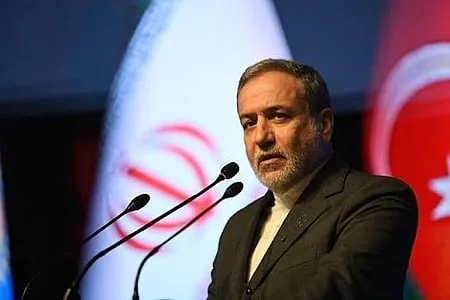
Iranian Foreign Minister Abbas Araghchi said on November 8 that mediators seeking a US-Iran agreement had stopped traveling since the US elections. Speaking on Iranian state television, he attributed the interruption to "the shock" caused by the results and said conditions would need time to become favorable for travel to resume.
Despite mounting political pressure in Washington to end the war, Rubio said he did not expect an imminent diplomatic breakthrough. Anwar Gargash, diplomatic adviser to the UAE president, similarly said on Monday that a comprehensive US-Iran political settlement looked difficult. He urged preparation for prolonged uncertainty, with neither a decisive outcome nor a stable regional order assured.
Turkish President Tayyip Erdogan said on Monday that he had told Trump Ankara opposed another escalation. He stressed dialogue and diplomacy, while warning: "Unfortunately, we see a negative shift once again. We are doing our utmost to prevent this."
Iron Gate expands pressure beyond the naval blockade
US Central Command established Task Force Iron Gate on November 7, 2026, to disrupt traffic across Iran's land borders and the Caspian Sea. Its targets include advanced weapons systems, dual-use technologies, sanctioned materials and illegal revenue streams.
The task force has about 20 military and civilian personnel at CENTCOM headquarters in Tampa, Florida, under the direction of CENTCOM commander Adm. Brad Cooper.
Iran's Islamic Revolutionary Guard Corps dismissed the initiative as "wordplay." An IRGC spokesman told the semi-official Fars news agency that the approach would not enable the US to impose economic pressure severe enough to cause Iran's economy to collapse.
CENTCOM estimates that its naval blockade has stopped Iran from exporting more than $25 billion worth of crude oil. Separately, the US military said it had redirected 144 commercial vessels through the end of October 2026.
A Reuters investigation found that Iran had built a secret network of military agencies that imported at least $2 billion in hardware, explosives and heavy-duty trucks since January 2025 while evading the US naval blockade and Western sanctions. The supplies traveled from Russia aboard cargo ships crossing the Caspian Sea, from Central Asia by truck and from China on freight aircraft.
Other US pressure measures include Operation Economic Outcast, announced by Treasury Secretary Scott Bessent in August 2026. The campaign targets five sectors Iran has used to support its economy: digital assets, gold, technology, aviation and shipping.
On November 6, CENTCOM also announced an offer of up to $20 million for information on Iran's nuclear program, including its facilities, equipment and personnel. The State Department's Rewards for Justice program administers the offer, which includes possible relocation.
Strikes and shipping attacks continue
The pause Trump described comes amid continuing hostilities. Iranian state media reported US strikes on Qeshm island on Sunday night. A provincial official told Fars on Monday that essential infrastructure and services were unaffected. The US has not commented on those reports.
A senior Iranian source told Reuters that US attacks were aimed at radar systems used for air defense and ship navigation, along with bases housing missile launchers and mine-laying systems.
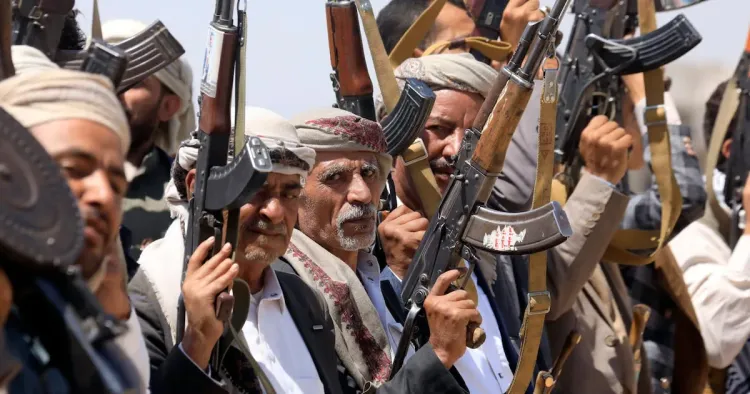
Iran has attacked tankers in the Gulf and the Strait of Hormuz this month, while its Houthi allies in Yemen have struck Saudi Arabia. International maritime agency figures released last week showed a sharp increase in tanker attacks during October, with the pace remaining at its highest level since the war began.
Iran generally does not acknowledge responsibility when vessels report projectile strikes. On Sunday, however, it said a tanker had struck a mine east of the Strait of Hormuz. An Iranian state television reporter said on Monday that 11 tankers had been "disabled" in the preceding 10 days.
In a separate incident on November 7, US forces disabled the St. Kitts-flagged cargo ship M/V Huda in the Gulf of Oman. The vessel had visited an Iranian port and was attempting to leave regional waters. After its crew disregarded repeated warnings and tried to breach the US blockade, US forces fired precision munitions at the ship's stern.