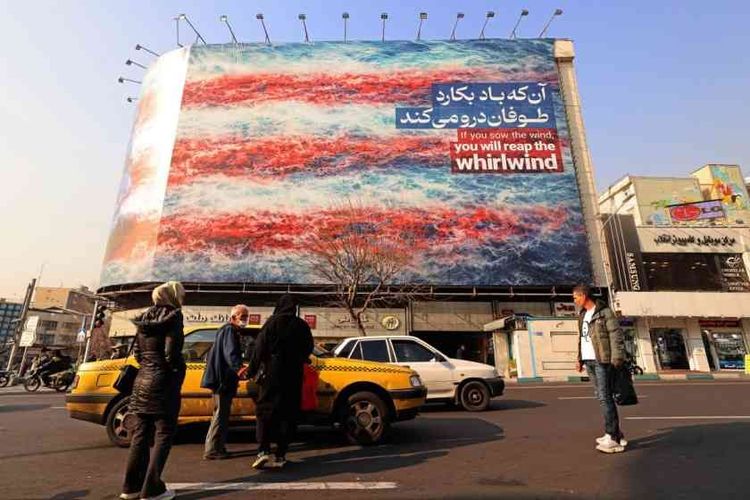
Iranian TV issues nuclear-strike warnings as US-Iran tensions persist
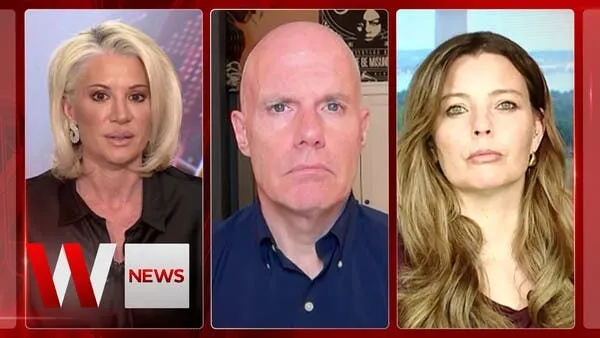
Iranian television has told citizens how to respond to a nuclear strike amid concerns about further escalation between Washington and Tehran. Political analyst Moneef Ammash Alharbi told Al Arabiya's W News that he considers a US nuclear attack on Iran unlikely under President Donald Trump.
 Omar Al Nuaimi

Nuclear threats and possible targets
Speaking with host Leigh-Ann Gerrans, Alharbi reviewed the history of US nuclear threats and argued that Washington has never ruled out using nuclear weapons. His assessment also covered possible Israeli military action, reported US attacks on Qeshm Island and tensions over the Strait of Hormuz.
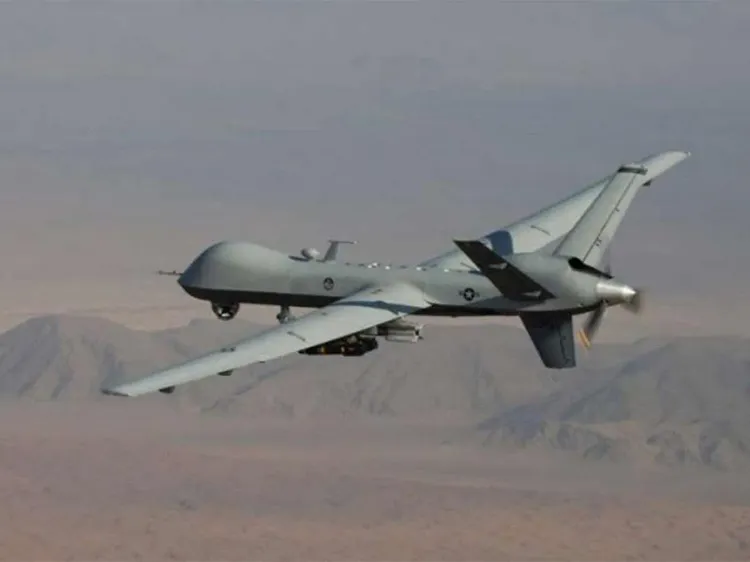
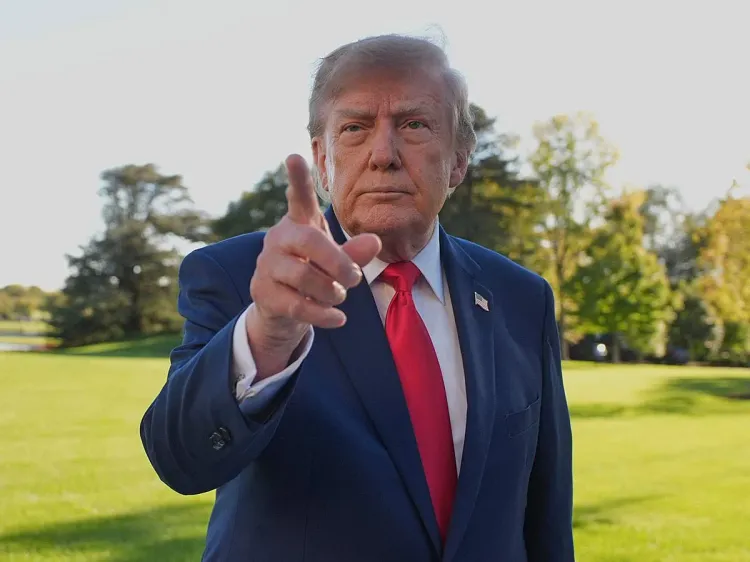
Trump has said the United States does not need nuclear weapons to defeat Iran. His remarks followed a CNN report on Oct. 15, 2026, that US military options for renewed strikes included using the Massive Ordnance Air Blast (MOAB) bomb against nuclear sites and energy infrastructure, according to the Arms Control Association. Asked about the weapon, Trump said it is "not nuclear at all."
In a Fox News interview broadcast Nov. 2, Trump raised another possible target: Pickaxe Mountain, a suspected underground Iranian nuclear site. He said the United States "might have to go after" it and could do so "in one hour." He had floated an attack on the site before, including in July 2026.
On Iran's current nuclear activity, International Atomic Energy Agency Director-General Rafael Mariano Grossi told the Associated Press on Oct. 28 that the country did not appear to be enriching uranium at that time, the Arms Control Association reported. According to the association, enrichment at Natanz and Fordow stopped in 2025 when US and Israeli forces struck those facilities.
Qeshm strikes and pressure for further attacks
US forces conducted limited strikes on Iran's Qeshm Island on Monday, Nov. 2, three US officials told CNN. The officials characterized the operation as a defensive action to protect US assets, not a return to major combat operations. One said the strikes answered Iranian use of surface-to-air missiles against US assets.
Qeshm, the Persian Gulf's largest island, lies off Iran's southern coast, roughly 14 miles from Bandar Abbas and near the Strait of Hormuz. CNN described the island as important to Iran's efforts to control shipping through the strait, which carried about 20 million barrels of oil a day before the war.
Israeli Prime Minister Benjamin Netanyahu has been seeking another round of attacks on Iran following the Nov. 3 US midterm elections, according to two regional officials and a third person familiar with the matter. He urged strikes in a weekend phone call with Trump, but the president did not commit to military action. Other US allies in the Middle East warned that further attacks would destabilize the region.
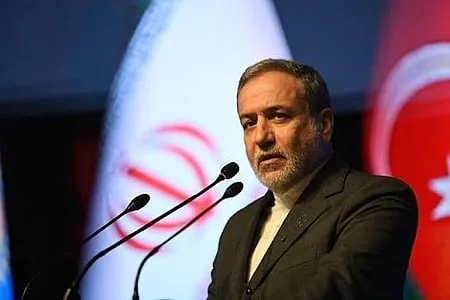
Iran has also warned of a wider response. Supreme Leader Mojtaba Khamenei said on Oct. 31 that a major new attack would prompt retaliation "without geographical limitations." A senior security official in Tehran told CNN that Iran would seek to hit infrastructure beyond oil facilities, including AI infrastructure.
Conditions for reopening Hormuz
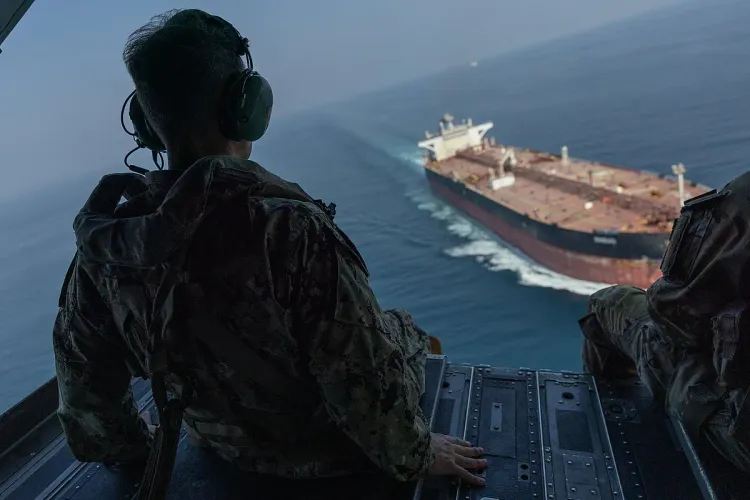
Iran shut the Strait of Hormuz on March 27, 2026, in retaliation for the US and Israeli strikes that began on Feb. 28. The Arms Control Association reported that some vessels are now passing through, but traffic remains reduced and Iran continues to attack ships in the waterway.
By Nov. 2, Iran was proposing to reopen the strait and restart nuclear talks with Washington within two days if the United States met its demands. Tehran had previously put the timetable at a week and specified seven conditions, among them an end to the US blockade of Iranian ports. Under its latest proposal, ships would take a route agreed with Oman and remain under Iranian supervision.
China announced on Nov. 2 that it planned to dispatch a special envoy to Iran, Oman and Saudi Arabia in early to mid-November. Foreign Ministry spokesperson Mao Ning said the mission would seek to reduce tensions and promote stability in the region.