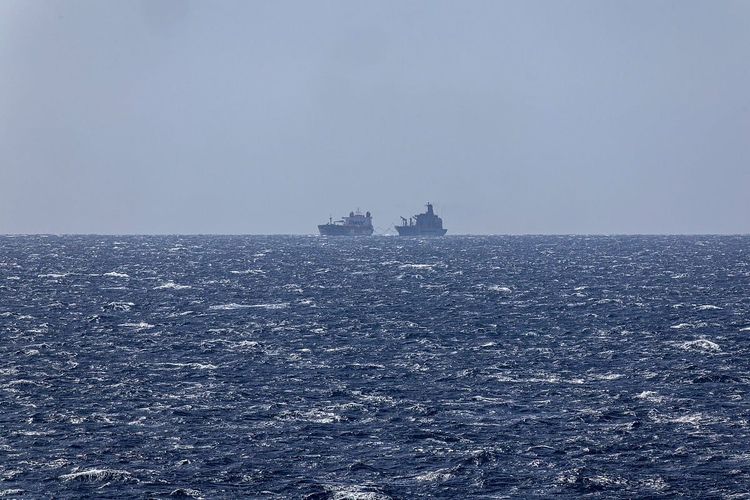
US naval blockade expands: 8 ships redirected, 1 disabled in latest Iran enforcement action
US Central Command redirected eight commercial vessels and disabled one ship in the latest enforcement of its naval blockade targeting Iranian ports, as Brent crude climbs past $91 amid escalating maritime tensions in two critical global chokepoints.
US naval blockade expands: 8 ships redirected, 1 disabled in latest Iran enforcement action
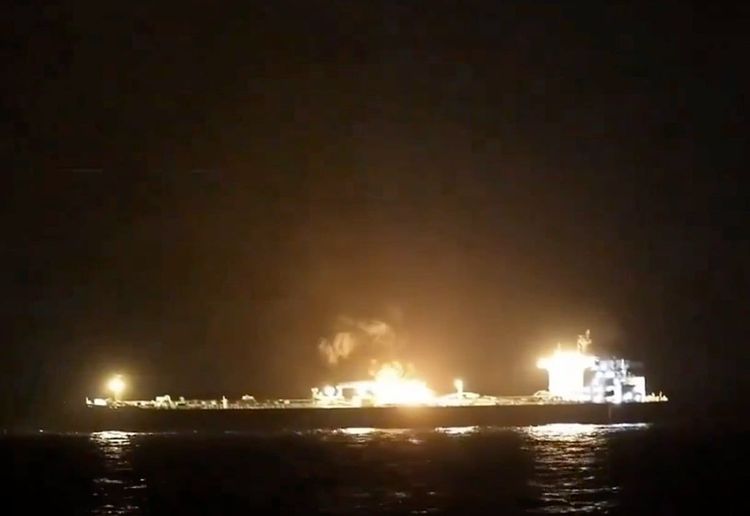
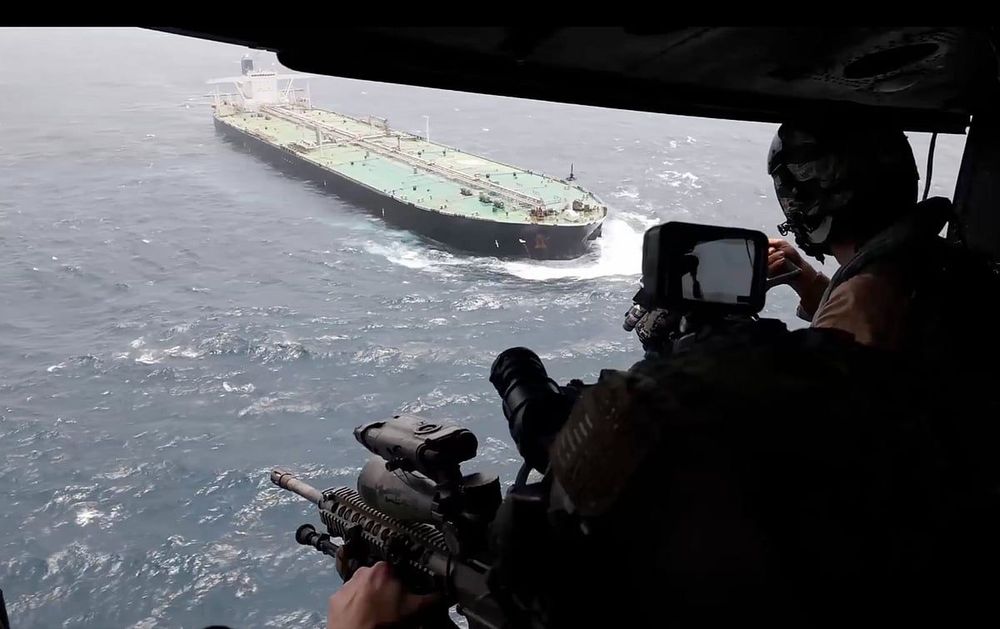
US forces under Central Command have redirected eight commercial vessels and disabled one ship in the latest enforcement actions under Washington's naval blockade of Iran, marking an expansion of the maritime campaign as conflict between the two countries widens.
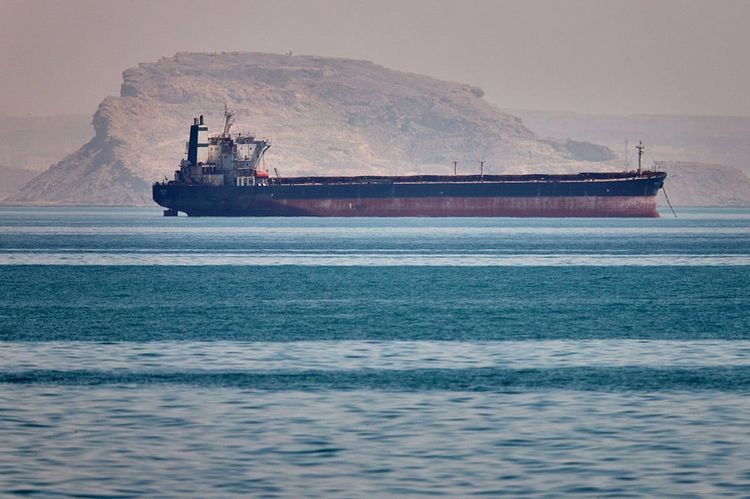
The operation comes as the US intensifies efforts to prevent vessels from entering or departing Iranian ports, while maintaining that international shipping through the Strait of Hormuz remains open for ships not trading with Iran.
According to US military updates, eight commercial vessels complied with orders to alter course after being hailed by coalition naval forces operating across 2.5 million square miles of strategic waterways, including the Persian Gulf, Gulf of Oman, Arabian Sea, and Red Sea. One additional vessel was disabled after allegedly failing to comply with repeated warnings, marking one of the most forceful enforcement actions since the blockade began in April.
Strategic chokepoint under pressure
The naval blockade was imposed after ceasefire negotiations between Washington and Tehran collapsed. US Central Command has said the operation targets only shipping linked to Iranian ports and is intended to cut off Tehran's oil exports while preserving freedom of navigation for other commercial traffic through the Gulf.
The Strait of Hormuz, only 21 miles wide at its narrowest point with tanker traffic limited to two 2-mile-wide channels separated by a buffer zone, handles approximately 20 million barrels per day of crude oil and petroleum products, representing roughly one-quarter of the world's seaborne oil trade. Asian countries receive the vast majority of this flow, with China, India, Japan, and South Korea collectively importing 84-89% of crude oil and condensate transiting the waterway.
The strait also carries approximately 20% of global liquefied natural gas trade, primarily from Qatar, the world's second largest LNG exporter with total exports exceeding 112 bcm in 2025.
Dual blockade threatens global trade
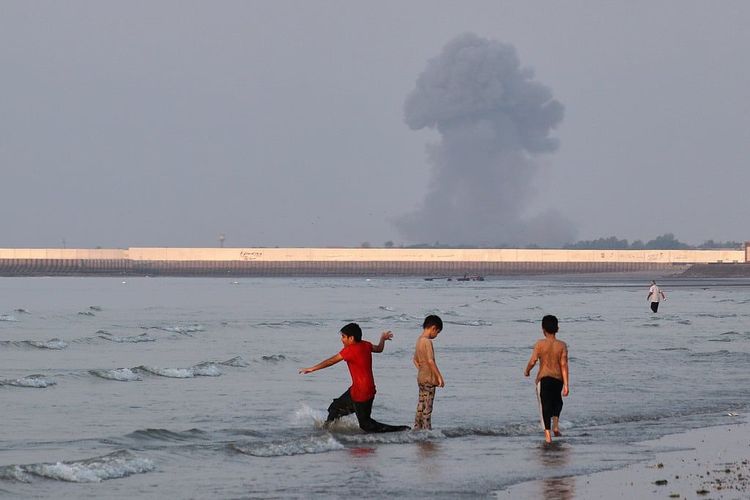
The latest interceptions come as the broader maritime security picture deteriorates across the Middle East. Commercial traffic through the Strait of Hormuz has fallen sharply in recent days amid missile, drone and shipping attacks linked to the conflict.
Shipping analytics firm Kpler, which provides real-time intelligence on global freight and commodity markets through vessel tracking and satellite technology, reported a steep decline in vessel movements, while several tankers have reported security incidents near Oman.
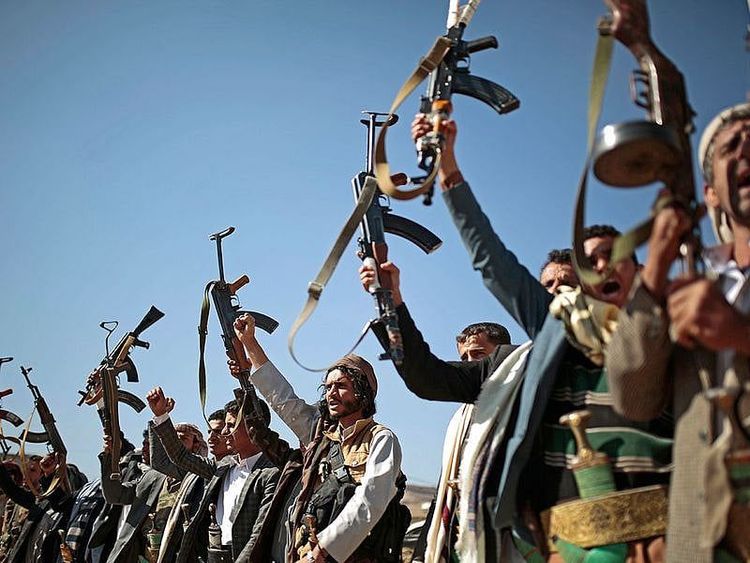
At the same time, Yemen's Iran-backed Houthi movement has declared a naval blockade targeting Saudi-linked shipping in the Bab al-Mandab Strait, raising fears that two of the world's most critical maritime chokepoints could face simultaneous disruptions. The Bab al-Mandab accounts for approximately 10% of seaborne oil trade and about 30% of global container traffic, making it the third busiest chokepoint in global oil trade after the Strait of Malacca and the Strait of Hormuz.
Economic impact mounting
The deteriorating security environment has pushed global oil prices higher, with Brent crude climbing above $91 a barrel in Asian trading Wednesday as traders priced in growing geopolitical risks to Middle Eastern energy supplies.
Iran's crude oil exports have fallen sharply since the blockade began, dropping from approximately 2.2 million barrels per day in late February to about 1.47 million barrels per day in April, and further declining to approximately 111,000 barrels per day in early May. Oil revenues accounted for roughly 65% of Iran's total exports in 2025, underscoring the economy's deep dependence on hydrocarbon sales and the strategic impact of cutting off these flows.
The blockade also affects other regional exporters who rely on the strait. Saudi Arabia accounts for approximately 38% of crude oil exports through the Strait of Hormuz at about 5.5 million barrels per day, followed by Iraq at 22.8%, the UAE at 12.9%, Iran at 10.6%, and Kuwait at 10.1%.
US officials have vowed to continue enforcing the blockade, warning that vessels attempting to violate the restrictions could face interception, diversion or, if they refuse repeated orders, disabling measures.