US expands airstrikes deep into Iran, targeting bridges and infrastructure
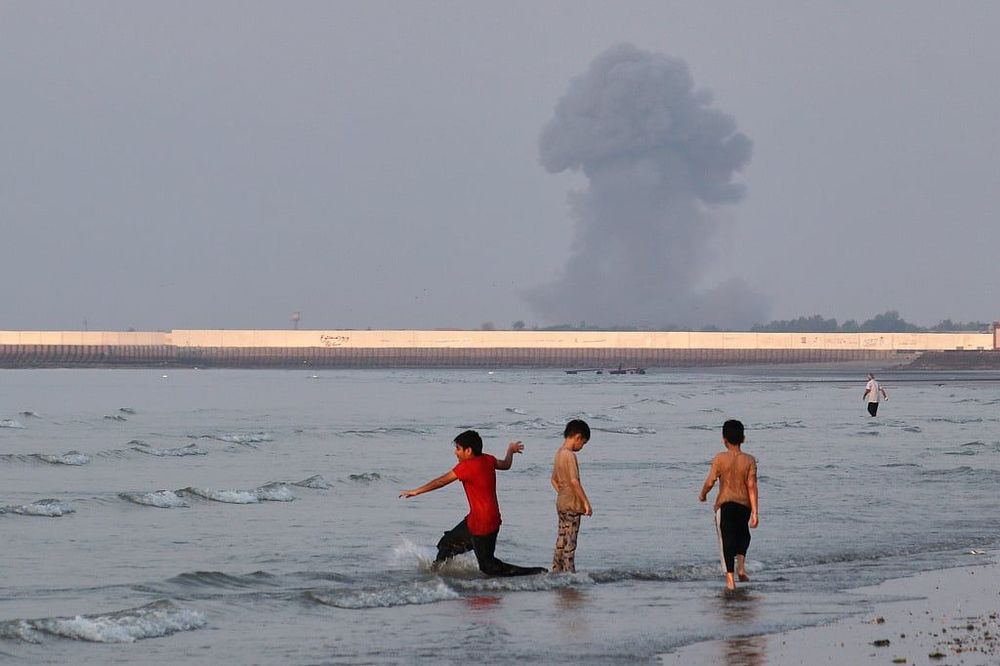
American forces have intensified their bombardment campaign against Iran, moving beyond coastal defenses to strike transportation networks, communication towers and military installations in the country's interior, including areas near Tehran.
US expands airstrikes deep into Iran, targeting bridges and infrastructure
The United States has significantly broadened its military operations against Iran during two weeks of sustained airstrikes that increasingly mirror the conflict's initial phase earlier this year.
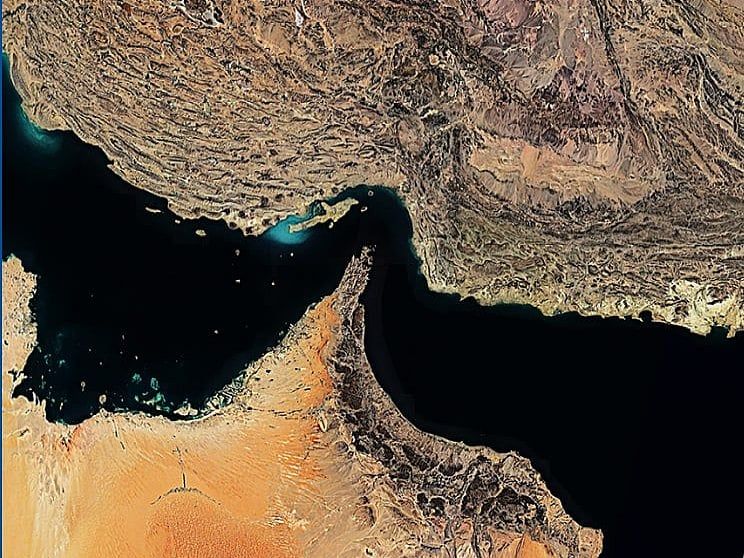
Following a short-lived ceasefire in June after an interim agreement was signed, hostilities erupted again over control of the Strait of Hormuz, destroying the fragile peace and returning both nations to the brink of regional war.
American forces initially concentrated on Iranian naval assets and coastal fortifications this month, seeking to diminish Tehran's capacity to threaten maritime traffic through the strategically vital waterway that serves as a crucial artery for global energy supplies. Recent operations have extended to bridges and infrastructure in southern Iran, with strikes penetrating deeper into the country's heartland and reaching the outskirts of the capital.
Casualties and impact
While the current campaign has grown in intensity and geographic reach, it remains less severe than the war's opening bombardment on February 28. During the first 100 hours of that initial offensive, US and Israeli forces struck hundreds of military objectives and eliminated senior Iranian leadership, including Ayatollah Ali Khamenei.
Iran's Health Ministry reports 3,434 deaths since hostilities began, with 55 fatalities occurring during the recent escalation. The latest American strikes have temporarily disrupted transportation and communications networks across Iran and damaged water infrastructure serving thousands of residents.
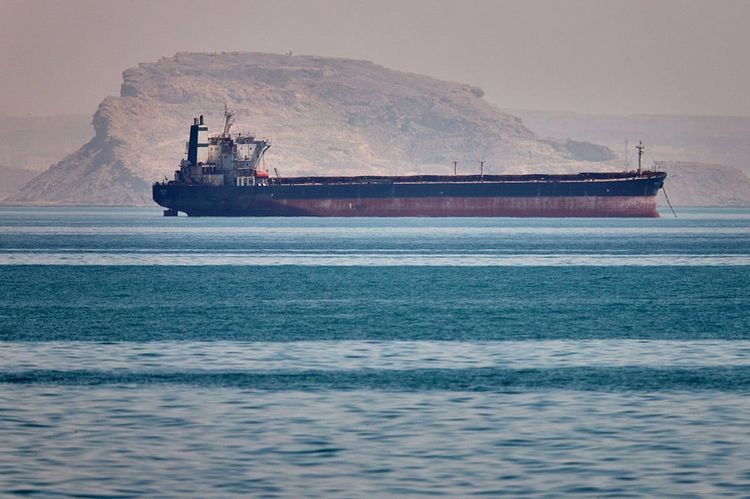
US military officials stated the recent barrages aimed to degrade Iran's ability to threaten vessels in the strait. However, Tehran has responded by intensifying attacks on shipping and Gulf nations hosting American military installations, resulting in at least four US soldier deaths and damage to critical infrastructure. Israel has not been targeted in this latest round and has not participated in the strikes.
Initial focus on coastal targets
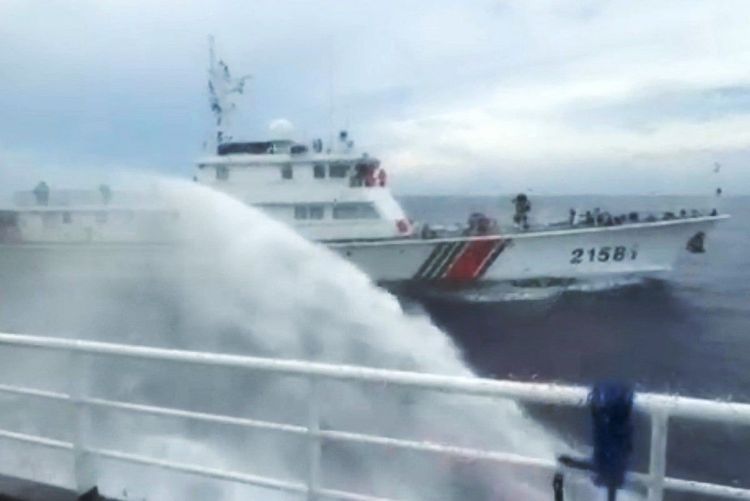
Shortly after the ceasefire agreement collapsed, Iran began striking vessels in the Strait of Hormuz, triggering reciprocal attacks with American forces. By July 12, the US military escalated its bombing operations, and President Donald Trump reimposed a blockade on Iranian ports the following day.
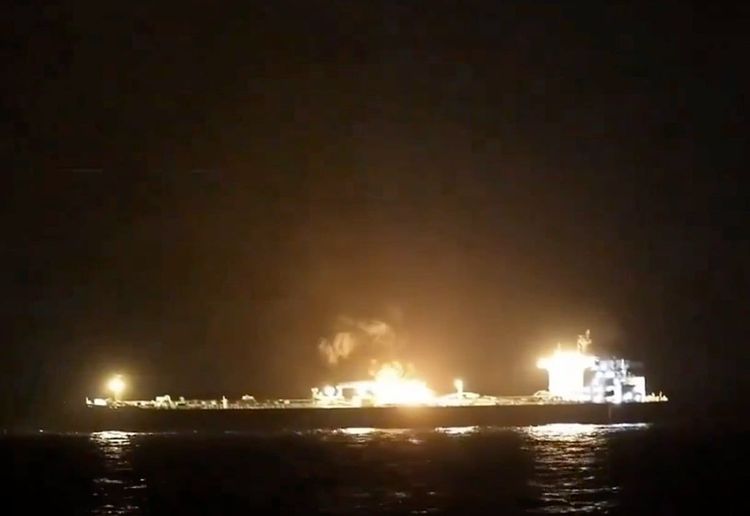
Over two days of bombardment, the military struck dozens of targets including air-defense installations, coastal radar facilities, missile and drone production sites and launchers, plus small naval craft. The operations employed precision munitions, naval vessels and one-way attack sea drones deployed for the first time.
Strikes concentrated on coastal provinces along the strait and Persian Gulf: Khuzestan, Bushehr and Hormozgan. Bandar Abbas, a port city on the strait housing critical naval and commercial infrastructure, sustained heavy damage initially. Operations also targeted key Gulf islands including Qeshm, Abu Musa and Kish. Further east, naval and military installations in Sistan and Baluchistan province along the Gulf of Oman came under fire.
Infrastructure and transportation networks hit
A concentrated wave of strikes over two days damaged at least six bridges and one tunnel around Bandar Abbas, according to state television footage. The apparent objective was severing connections between Revolutionary Guard installations and the broader transportation network. Another strike destroyed a railway junction west of the port.
Additional operations in Bandar Abbas hit offices of the radio and communications regulatory authority, which manages Iran's radio-frequency spectrum. For three consecutive days, US forces targeted a maritime communications tower in one of the city's ports, completely destroying it on July 17. Another communications tower approximately 120 kilometers down the coast was also struck.
Strikes temporarily severed communications between the mainland and Kharg and Qeshm islands, though Iranian authorities reported restoring connections by the campaign's tenth day. A fishmeal production facility on Qeshm sustained damage.
Power outages affected portions of Khuzestan province following strikes there. Other infrastructure damage included an agricultural water pumping station in Khuzestan, where one person died according to local officials. A July 18 strike reportedly hit a water desalination plant in Jask, on a peninsula outside the strait, destroying pumping stations and disrupting water supply to 10,000 nearby residents, Iranian officials said. That attack followed an Iranian strike on US installations in Jordan that killed at least three American soldiers and wounded others.
An American strike on an Iraq border crossing where hundreds of pilgrims had gathered killed two people, state media reported. The US military characterized its targets as logistics infrastructure. Trump warned last week that every Iranian attack on the strait would result in strikes on power plants or bridges.
Iranian media have reported rapid repairs to damaged roads and tunnels, or establishment of alternative routes connecting the south with other regions.
Deeper penetration into interior
By the conflict's third day, US strikes moved inland to hit Revolutionary Guard and military installations believed responsible for attacks on American bases in the Gulf, along with reported missile production facilities, military sites and Guard-operated airports.
American forces struck a military barracks in Iranshahr in the country's far southeast, killing seven soldiers and wounding approximately twelve others, Iranian officials stated. The Iranian military had recently claimed conducting drone attacks against American regional bases, including one in Jordan on July 15, according to the Institute for the Study of War and the Critical Threats Project.
At least two strikes hit a Revolutionary Guard Aerospace Force installation in Khuzestan province, also suspected of involvement in attacks on US bases. The Tehran area has been struck twice so far, contrasting with the war's initial phase when the capital endured hundreds of strikes, primarily from Israeli forces. A July 19 operation hit the Khojir military complex near Tehran, one of Iran's principal missile manufacturing facilities. A missile installation outside the capital was subsequently targeted.