Trump signals openness to Iran talks as Saudi Arabia strikes Houthi targets after Red Sea attacks
US President Donald Trump said Iran is becoming more serious in negotiations as tensions persist across the Gulf. Saudi Arabia launched strikes on Houthi military sites in Yemen following attacks on Saudi-linked vessels in the Red Sea.
Trump signals openness to Iran talks
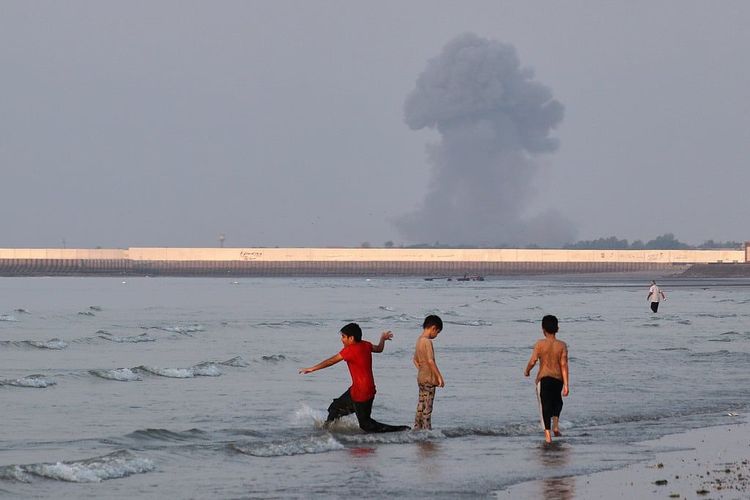
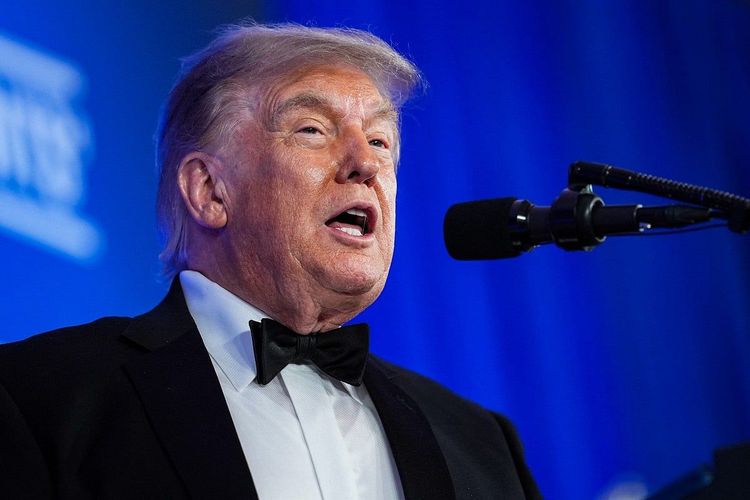
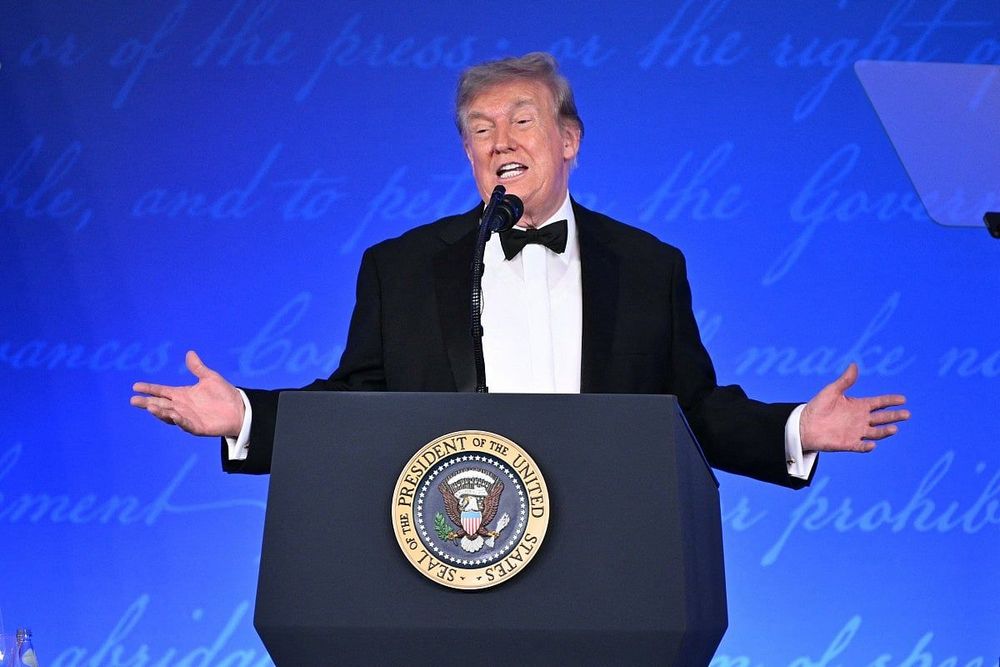
US President Donald Trump said on Friday he had not decided on launching major strikes against Iran, stating that Tehran was showing greater willingness to engage in talks with Washington. His remarks came as Saudi Arabia struck Iran-backed Houthi targets in Yemen after attacks on Saudi-linked vessels, while US-Iran tensions continued to escalate across the Gulf region.
Speaking at the White House Correspondents' Association dinner, Trump said the US campaign against Iran was proceeding well and claimed Tehran had lost significant naval and air capabilities. "I don't think it's time yet, but I'm willing to listen," Trump said when asked about potential negotiations.
Saudi Arabia responds to Red Sea shipping attacks
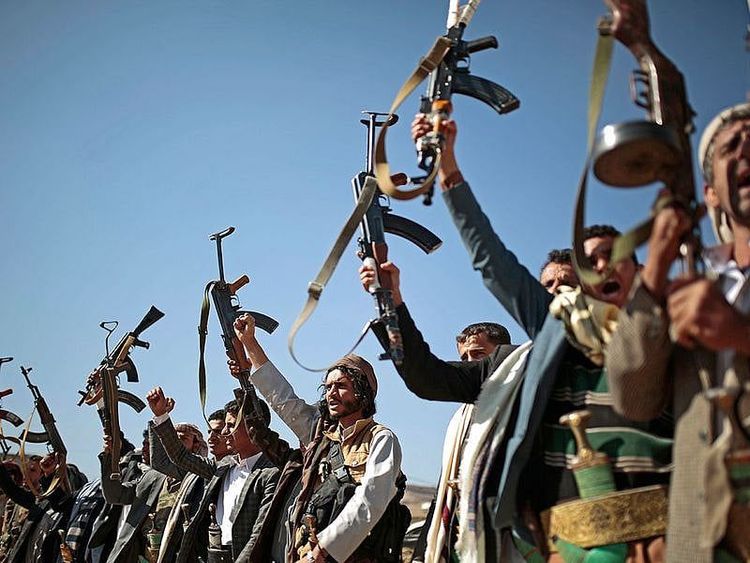
Major General Turki Al-Malki, spokesperson for the Coalition to Restore Legitimacy in Yemen, said the Houthi militia carried out reckless attacks on commercial vessels in the Red Sea, calling them part of a broader pattern of maritime crimes in a critical global shipping corridor. The coalition was formed in March 2015, led by Saudi Arabia and the UAE with support from eight other Arab countries, in response to the Houthi takeover of Yemen's capital Sana'a.
Al-Malki clarified that Hodeidah Port was not struck and confirmed that Yemeni ports, including Hodeidah, Ras Isa and Salif, remain open and operational for commercial shipping. He said the coalition's military response was measured and targeted only legitimate military sites used by the Houthis to threaten Red Sea shipping. The Red Sea shipping route handles approximately 12-15% of international maritime trade and nearly 30% of global container traffic, making it a critical corridor connecting Asia, Europe and Africa via the Suez Canal.
Between November 2023 and October 2025, Houthi forces conducted over 100 separate attacks on commercial vessels in the Red Sea and Gulf of Aden, affecting shipping from more than 60 nations. These attacks caused Suez Canal traffic to drop by approximately 50% in early 2024, with container shipping rates from Asia to Europe surging by 40-60% and insurance premiums climbing steeply.
Security alerts issued in Saudi Arabia
Saudi Arabia's Civil Defence Directorate briefly issued warnings of potential danger for Jazan and Yanbu governorates on Saturday. Minutes later, the directorate announced that the danger had passed in both areas. Authorities did not immediately disclose details about the nature of the reported threats.
Yanbu, home to a major Red Sea port, has an export capacity of approximately 3-5 million barrels per day and serves as a critical alternative route for Saudi oil exports that bypasses the Strait of Hormuz via the East-West Pipeline. The port's strategic importance makes it a potential target in the current regional conflict.
US blockade enforcement continues
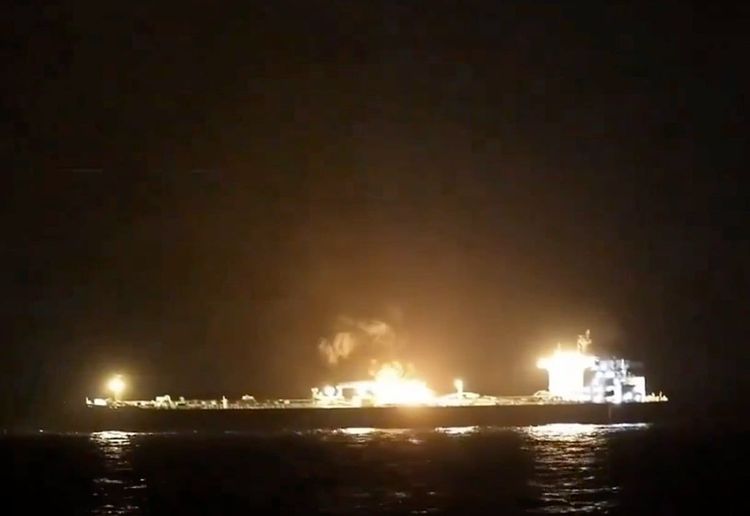
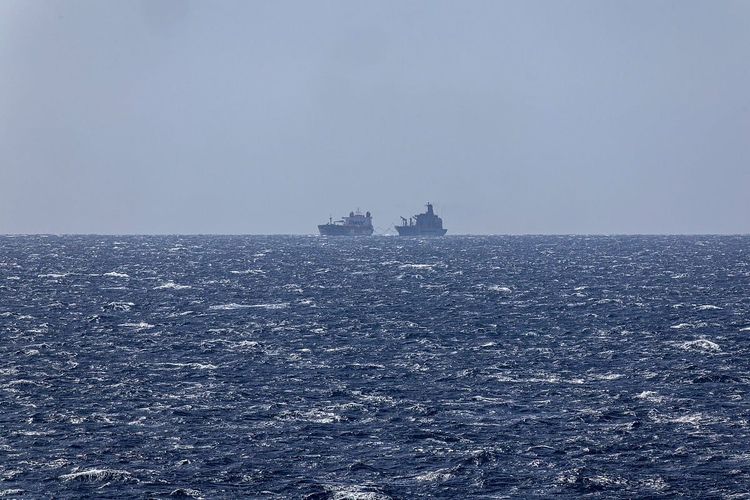
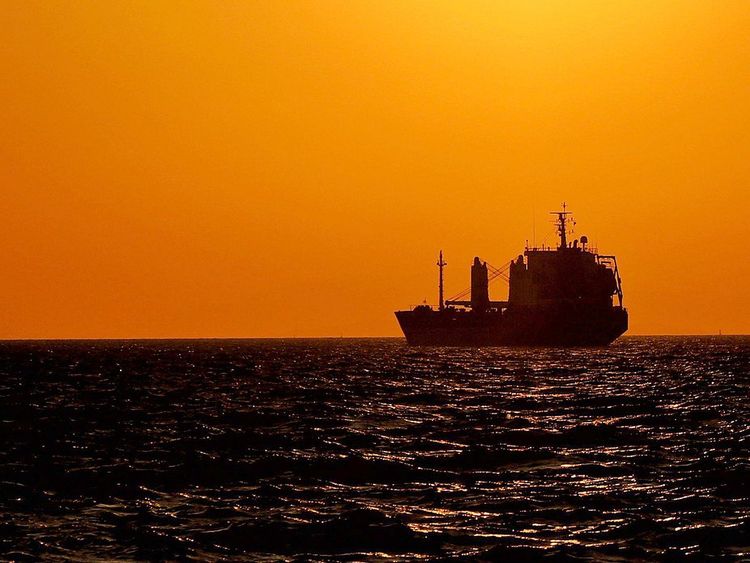
The US military said Friday it had fired on and disabled a tanker ship attempting to evade the American blockade on Iranian ports. Navy Captain Tim Hawkins, spokesman for US Central Command, said the crew was repeatedly warned before US forces disabled the ship by firing into its engine room.
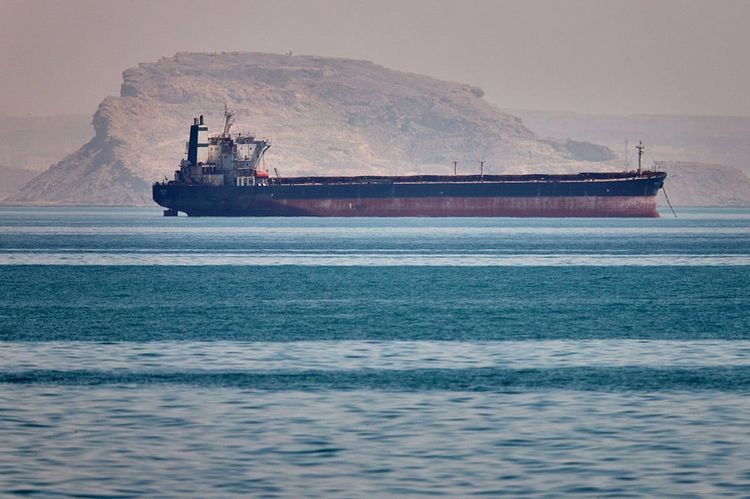
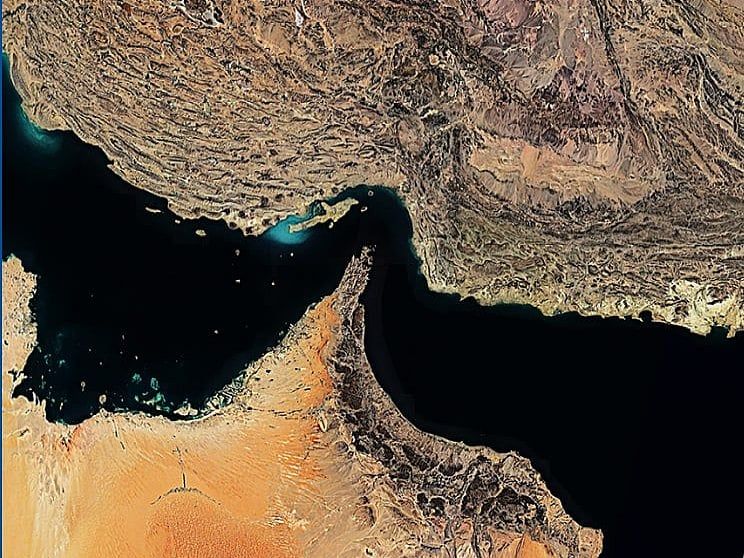
The Strait of Hormuz remains a focal point of tension. Approximately 20-25% of global seaborne oil trade and about one-fifth of world oil consumption passes through the waterway daily, with flows averaging around 20 million barrels per day. Over 30,000 vessels transit the Strait annually, with daily traffic typically ranging from 80 to 130 ships, making it the world's second-busiest maritime oil chokepoint after the Strait of Malacca. Approximately 20% of global liquefied natural gas trade also transits through the Strait, with Qatar and the UAE accounting for the majority of these shipments.
Regional developments
Israeli Prime Minister Benjamin Netanyahu will visit Washington next week for talks with Trump, the president confirmed. The meeting is scheduled for Tuesday at the White House.
In Bahrain, where Iran has been conducting regular strikes, sirens sounded Saturday. The interior ministry urged citizens and residents to remain calm and head to the nearest safe place.
The US and UK are planning a high-level meeting in London next week to form an international coalition to protect commercial shipping in the Strait of Hormuz, according to reports citing European diplomats and sources familiar with the matter. The meeting could gather defence ministers and military leaders from Western and Middle Eastern nations to address ongoing maritime security threats.
Australia raised its travel warning for Bahrain to "Do not travel" due to the deteriorating security situation in the region. The Australian Embassy in Saudi Arabia warned that intensifying military strikes and retaliatory attacks could lead to further escalation, including possible threats to civilian infrastructure.