Trump holds off on major Iran strikes as Tehran signals willingness to negotiate
US President Donald Trump says he has not decided on large-scale military action against Iran as tensions persist over the Strait of Hormuz, while conflict spreads with Saudi strikes on Yemen's Houthis threatening Red Sea shipping.

Trump holds off on major Iran strikes as Tehran signals willingness to negotiate
US President Donald Trump said Friday he has not yet made a decision on launching major strikes against Iran, signaling a potential shift in approach as Tehran shows renewed interest in negotiations over a conflict that has stretched into its fifth month.
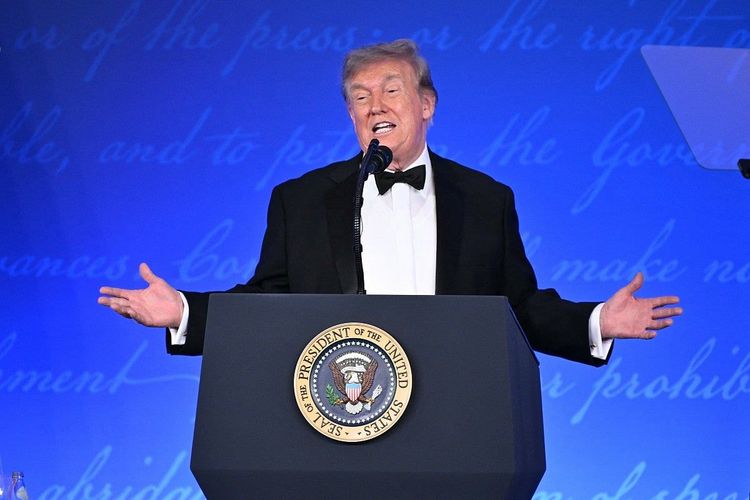
Speaking to journalists in the Oval Office, Trump indicated he would hold off on escalating military operations as Iran appeared to be taking talks more seriously. "No I haven't," Trump said when asked if he had decided to hit Iran hard. "Look, we're talking to them right now. I think they're getting more and more serious as the days go by, for maybe the obvious reason."
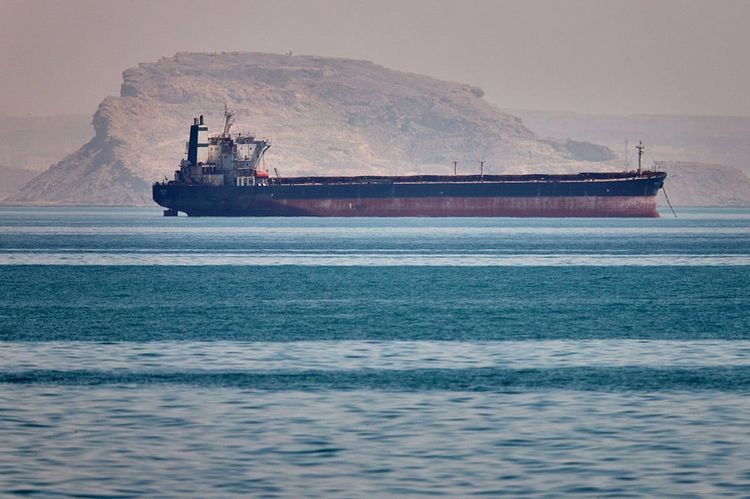
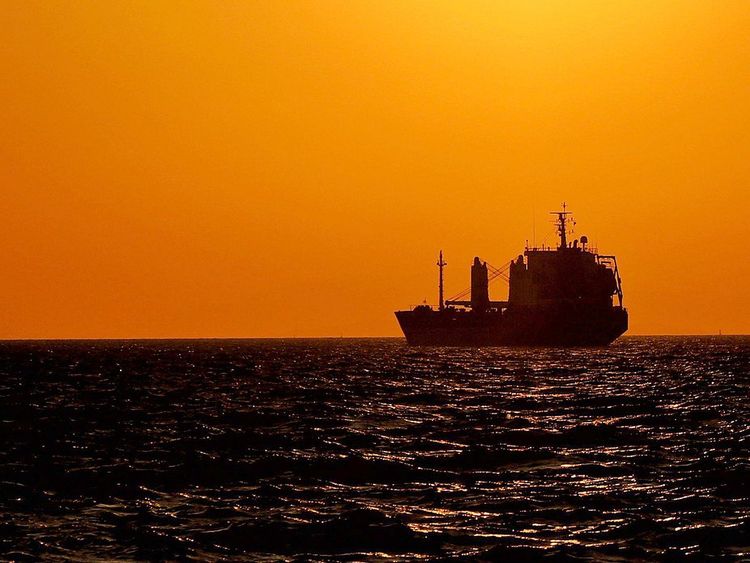
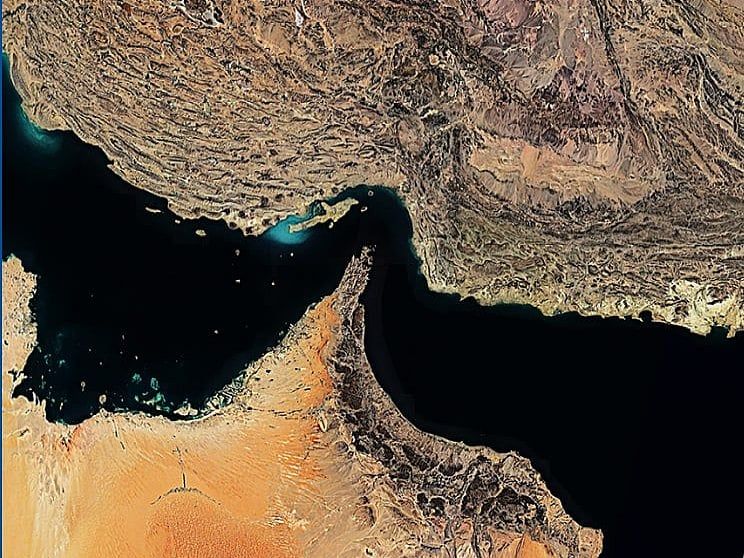
The remarks come as the conflict threatens to widen across the region, with Washington conducting nearly two weeks of strikes that have shattered a previous ceasefire. The United States says its military operations aim to prevent Iran from closing the Strait of Hormuz, a critical waterway through which approximately 20 million barrels per day of crude oil and petroleum products pass, representing about 25 percent of global seaborne oil trade. At its narrowest point, the strait is only 21 nautical miles wide, with two 2-mile-wide navigable shipping lanes separated by a 2-mile buffer zone.
Trump warned that Iran faced a choice between reaching a deal or confronting a "much higher level" of strikes. He reiterated that his red line would be Iran approaching the development of a nuclear weapon, though he declined to specify what would trigger a decision on major military action.
The war, which Trump once predicted would last four or five weeks, is now weighing on the Republican president's approval ratings ahead of crucial US midterm elections in November.
Iranian counterstrikes and regional claims
Iran has responded to US attacks with strikes on American bases that have killed four service members. The Iranian military said Friday it had carried out attacks targeting US military assets in Bahrain, Jordan and Kuwait in retaliation for Washington's latest operations. The United States maintains major installations in the Gulf region including Naval Support Activity Bahrain, headquarters of the US Navy's Fifth Fleet, as well as Camp Arifjan and Ali Al Salem Air Base in Kuwait.
Iran's Revolutionary Guards claimed they had targeted an Amazon data center in Bahrain. Amazon Web Services operates facilities in Bahrain as part of its Middle East region, launched in July 2019, with data centers located in areas including Zallaq. Neither Amazon nor Bahrain has commented on the claim, and the United States has not confirmed any targeting of its facilities or personnel.
In Bahrain, sirens sounded again early Saturday, with the interior ministry urging citizens and residents to remain calm and head to the nearest safe place.
Diplomatic efforts continue
Trump insisted that Russia and China were not arming Iran, despite reports both countries were feeding Tehran intelligence to target US forces. "President Xi (Jinping) said he will not partake, and President (Vladimir) Putin said the same thing... I trust them," Trump told reporters. "I don't think they'd want to have me disappointed."
On the diplomatic front, Chinese Foreign Minister Wang Yi met his Iranian counterpart Seyed Abbas Araghchi in Kyrgyzstan. Wang called for an early resumption of negotiations and implementation of a memorandum of understanding aimed at easing tensions in the Middle East and Gulf region. "The door to negotiations, once opened, should not be closed, and as long as there is hope for peace, it should not be given up," Wang said, referring to a preliminary deal that has collapsed as the parties fight over control of the Strait of Hormuz.
Conflict spreads to Yemen and Red Sea
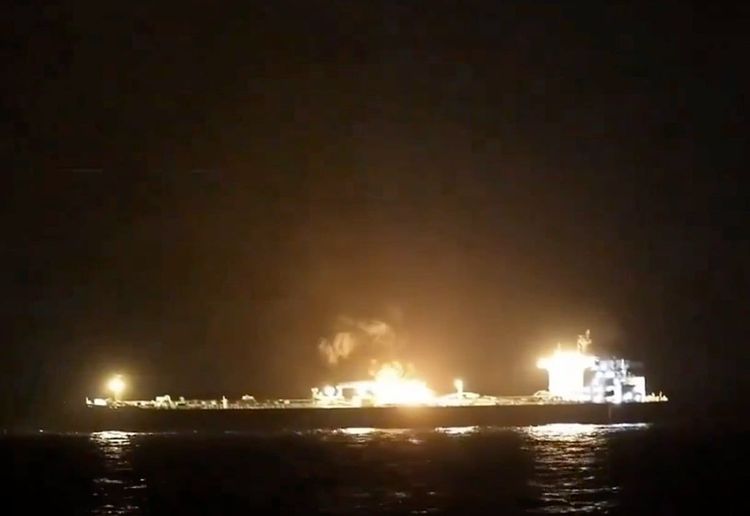
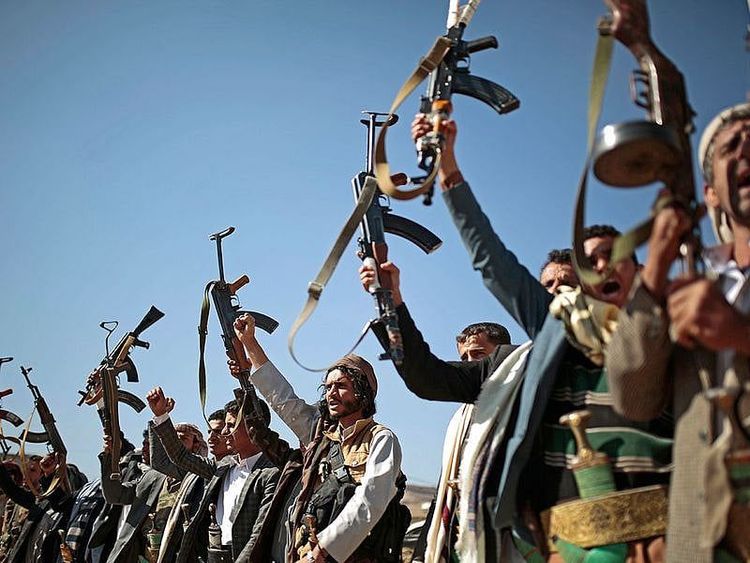
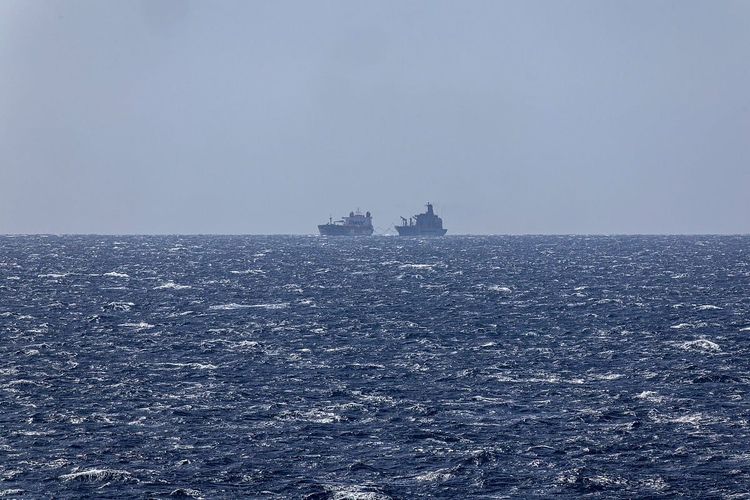
In a new front of the war, Yemen's Iran-backed Houthis have launched attacks on oil tankers in Red Sea shipping lanes after declaring a maritime blockade of Saudi Arabia, a close US ally in the region. The move threatens the ability of the world's top oil exporter to supply global markets, particularly as Iran maintains its parallel blockade of the Strait of Hormuz, Riyadh's only other maritime route.
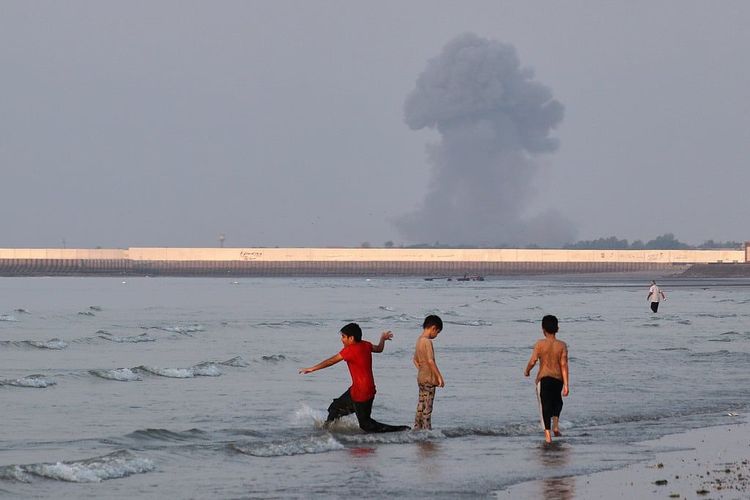
Saudi Arabia responded Friday with strikes on Yemen's Houthi-held Hodeida, according to rebel media and a security source. The port city, Yemen's second-largest port, has been under Houthi control since 2014 and serves as a vital entry point for humanitarian aid and commercial goods. Control of Hodeida provides the Houthis with significant leverage to regulate the flow of resources into Yemen.
"A Saudi aggression targeted Hodeida province," the rebels' Al-Masirah TV channel reported. People in Hodeida heard explosions, with witnesses saying the blasts sounded close to the port.
Turki al-Maliki, a spokesman for the Saudi-led coalition, said on X that "the terrorist Houthi military... targeted commercial ships in the Red Sea." The coalition had "carried out a decisive and strong response," he added.
The escalation follows an attack on a Saudi ship, days after the rebels declared their blockade. Saudi Arabia operates the East-West Pipeline with a capacity of 5 million barrels per day, which can be temporarily expanded to 7 million barrels per day, running from the Abqaiq oil processing center to Yanbu port on the Red Sea to bypass the Strait of Hormuz. However, approximately 88 percent of all oil leaving the Persian Gulf normally transits the Strait of Hormuz, with alternative pipeline routes from Saudi Arabia and the UAE combined offering limited capacity of about 2.6 million barrels per day.
The conflict's impact extends globally, with about 84 percent of crude oil and condensate shipped through the Strait of Hormuz in 2024 headed to Asian markets. China, India, Japan and South Korea are the four largest importers relying on this route.