Iran threatens to block Hormuz transit for ships compensated from frozen assets
Tehran's military command warns it will bar vessels belonging to countries or companies accepting compensation from Iranian frozen funds from using the strategic waterway, escalating tensions over Trump's plan to use seized assets for shipping damage payments.
Iran threatens to block Hormuz transit for ships compensated from frozen assets
Iran's Khatam al-Anbiya Central Headquarters, the unified command coordinating operations between the country's regular armed forces and the Islamic Revolutionary Guard Corps, announced on Tuesday that any vessels belonging to countries or companies accepting compensation from Iran's frozen assets would be prohibited from transiting the Strait of Hormuz.
The warning, broadcast by Iran's state-run IRIB television, represents Tehran's response to US President Donald Trump's statement that ships damaged during recent Gulf conflicts would be compensated using Iranian funds held abroad. Iran maintains frozen assets estimated between $100 billion and $120 billion globally, with major holdings in South Korea, Japan, Qatar, China and Iraq.
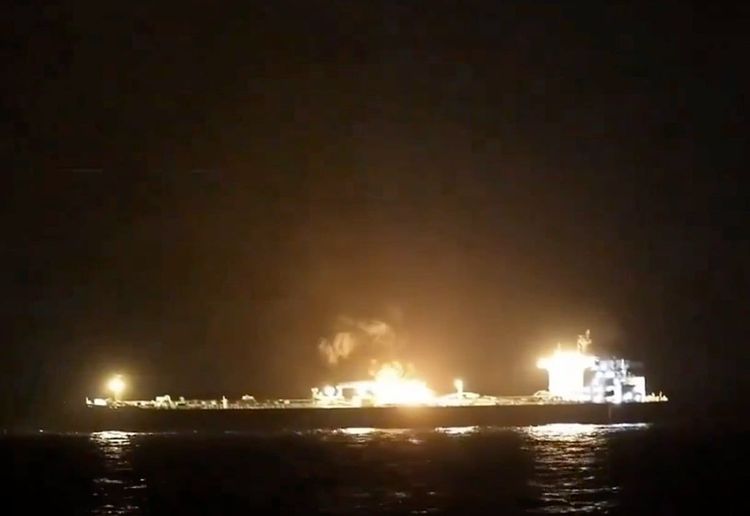
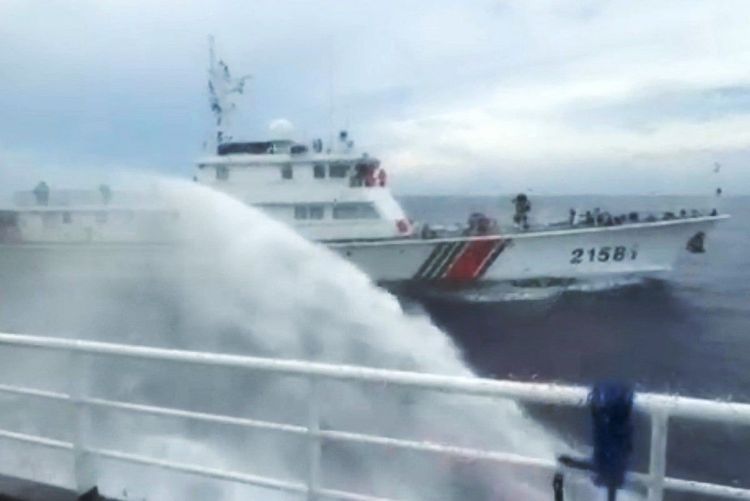
A spokesman for the headquarters rejected Trump's compensation plan and said Iran considers the vessel damage to have resulted from insecurity created by US military presence in the region. He accused American forces of directing ships through what he described as an illegal and unsafe route south of the strait.
Strategic waterway at centre of dispute
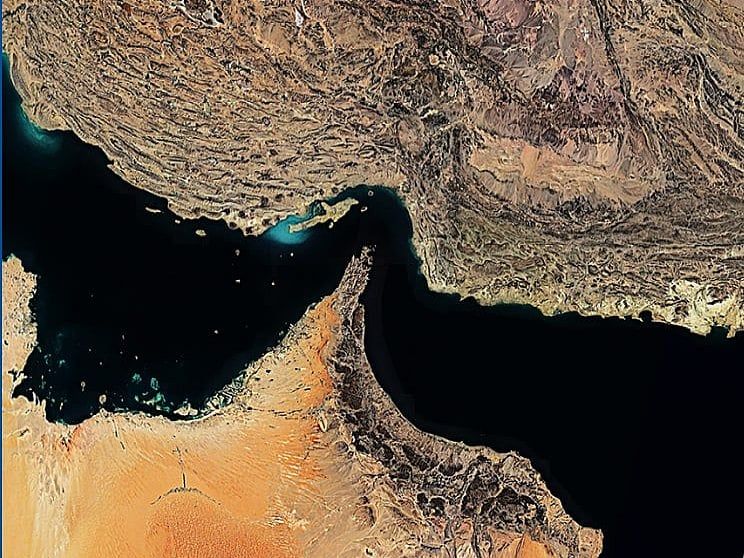
The Strait of Hormuz, measuring just 21 nautical miles at its narrowest point with shipping lanes only two miles wide in each direction, serves as a critical chokepoint for global energy supplies. Approximately 25 percent of the world's seaborne oil trade passes through the waterway, representing nearly 15 million barrels per day of crude oil and about 20 percent of global liquefied natural gas trade.
For the UAE, the strait holds particular significance, with 96 percent of the country's LNG exports depending on passage through the waterway. China, India, Japan and South Korea collectively receive approximately 69 percent of all crude oil flows through the strait, with China alone accounting for 37.7 percent of total flows.
Only Saudi Arabia and the UAE operate crude oil pipelines that can circumvent the Strait of Hormuz, though these alternative routes have limited capacity and cannot fully substitute for maritime passage.
Trump announces compensation plan
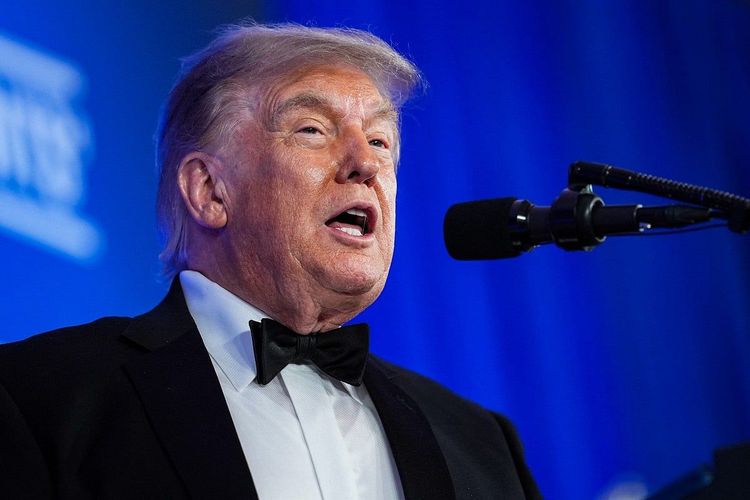
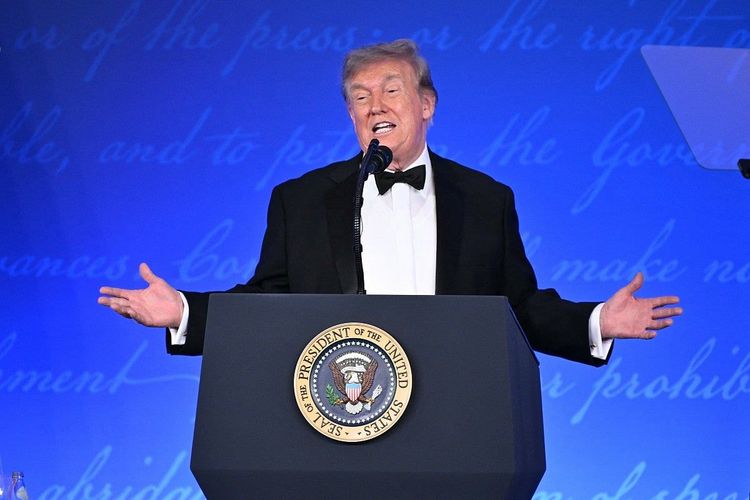
Speaking to reporters aboard Air Force One on Monday, Trump said Iranian funds controlled by Washington would be used to compensate shipping companies for damage sustained in the strait during recent hostilities. When asked whether the United States would pay companies directly, Trump responded:
No. No. We're going to use Iran's money to pay for the damage they did. In other words, Iran money that we control will be used to pay for damages.
The president did not specify the amount of Iranian funds under US control or detail which shipping companies would qualify for compensation. He said conditions in the Strait of Hormuz had improved following US military operations against Iran and indicated that Washington and Tehran were engaged in ongoing discussions.
Trump suggested Iran had requested a pause in attacks as negotiations continued and said the United States could resume military action if no agreement emerged.
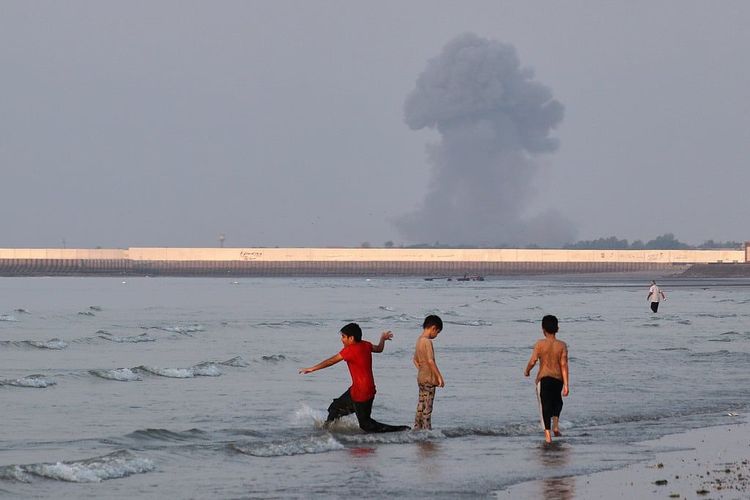
Their whole shoreline is wiped out. The strait is in very good shape now, and we're talking right now,Trump said.
Recent diplomatic developments
The confrontation comes amid complex diplomatic manoeuvring over Iranian assets. In June 2026, negotiations between the two countries discussed releasing approximately $12 billion as part of a preliminary agreement, though implementation has remained contentious.
The current tensions follow the conflict that began on 28 February 2026, when the United States and Israel conducted coordinated airstrikes on Iranian military targets. Iran responded by closing the Strait of Hormuz to Western-allied shipping, prompting US military operations to reopen the waterway.
Iran's latest threat to bar compensated vessels from the strait adds a new dimension to the standoff, potentially complicating efforts to restore normal commercial shipping through one of the world's most vital energy corridors.