Yemen warns Houthis seek Iran-style control over Red Sea shipping
Yemen's first female foreign minister cautions that Houthi rebels are attempting to replicate Iran's strategy in the Strait of Hormuz by imposing a maritime blockade on Saudi Arabia through the Bab el-Mandeb Strait.

Yemen warns Houthis seek Iran-style control over Red Sea shipping
Yemen's government has raised concerns that Houthi rebels are seeking to emulate Iran's recent moves to control the Strait of Hormuz by establishing dominance over the Bab el-Mandeb Strait, a critical shipping chokepoint for Saudi oil exports.
Foreign Minister Afrah al-Zouba, appointed just five days earlier as Yemen's first female foreign minister, told reporters Monday that the Houthis want to replicate Iran's approach in Hormuz. She said the Tehran-backed rebels were operating in coordination with Iranian escalation in the region.
Strategic waterway under threat
The warning comes after the Houthis announced a maritime blockade of Saudi Arabia on July 20, framing the move as retaliation for what they described as a Saudi-imposed blockade on Yemen lasting nearly 12 years. The rebels, who have controlled Yemen's capital Sanaa since 2014 and maintain control over most of northwestern Yemen, stated the blockade was based on the principle of an eye for an eye.
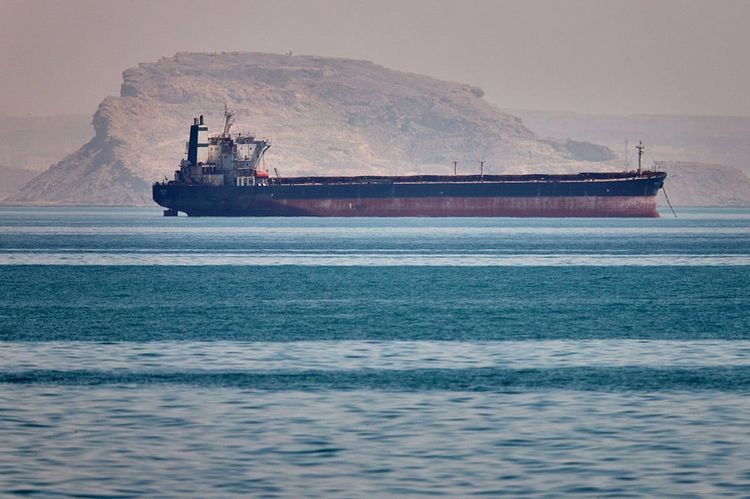
The Bab el-Mandeb Strait, approximately 29 kilometers wide at its narrowest point, connects the Red Sea to the Gulf of Aden and has become increasingly vital for Saudi Arabia's oil exports. Saudi Arabia's oil shipments through the Yanbu terminal on the Red Sea surged to 3.5 million barrels per day in June, compared with just 240,000 barrels per day in the same period the previous year, as the kingdom diverted exports away from the restricted Strait of Hormuz.
Iranian precedent
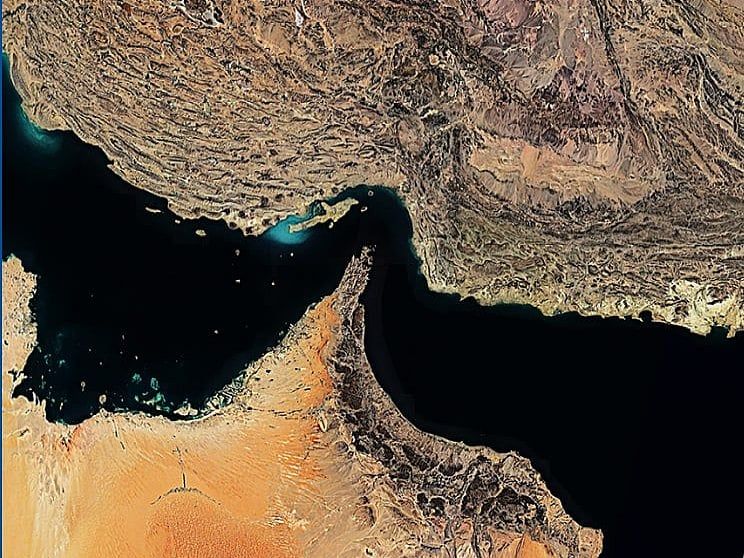
Iran recently submitted documents to the International Maritime Organization claiming authority over parts of the Strait of Hormuz and has proposed imposing tolls or service fees on ships transiting the waterway. The Strait of Hormuz, which carries approximately 20 percent of global seaborne oil trade, has seen oil exports drop to around 4.3 million barrels per day in June, down from more than 15 million barrels per day before the U.S.-Iran conflict.
Al-Zouba, who previously served as minister of planning and international cooperation and brings over 25 years of experience in development and governance, emphasized that the Houthis were acting in harmony with Iranian regional strategy.
Pattern of maritime attacks
The Iran-backed group has a documented history of disrupting maritime traffic. Between November 2023 and October 2025, the Houthis conducted more than 100 attacks on commercial vessels, affecting more than 60 nations, before suspending operations following the Gaza ceasefire in October 2025. The group resumed attacks in 2026, including strikes on Israeli sites in March.
Maritime security authorities are taking the current threat seriously. The Joint Maritime Information Center, a U.S.-led naval coalition headquartered in Bahrain, issued a warning on July 22 that the Houthis have deployed missiles and drones near the Bab el-Mandeb Strait and have completed preparations to attack shipping transiting the southern Red Sea.
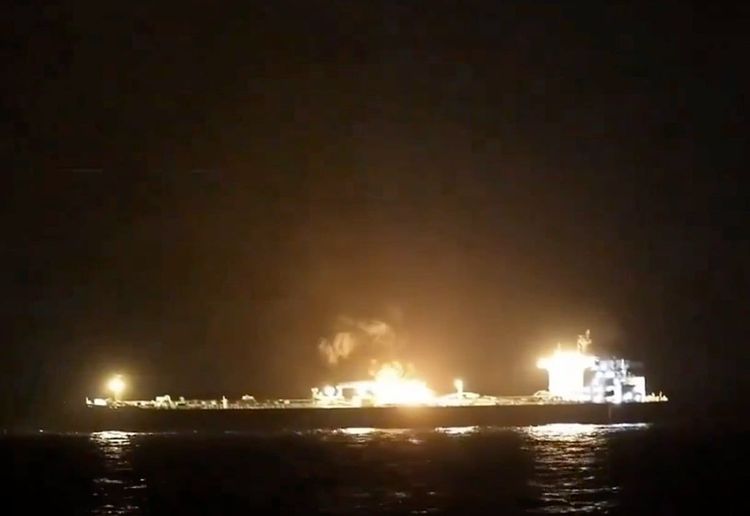
The impact is already visible in shipping data. Following recent Houthi attacks on Saudi oil facilities in late July, ship traffic through the Bab el-Mandeb Strait dropped sharply, with only 11 cargo vessels passing through on one day, the lowest level recorded in months.
The Houthis have been in conflict with Yemen's internationally recognized government and a Saudi-led coalition since 2015, with the civil war showing no signs of resolution as the rebels seek to expand their influence over critical maritime routes.