All 28 Indian crew members safe after missile attack on LPG tanker near Strait of Hormuz
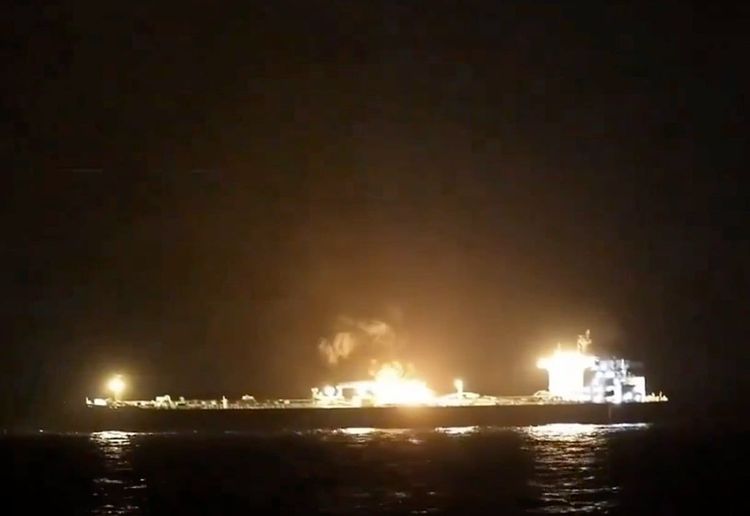
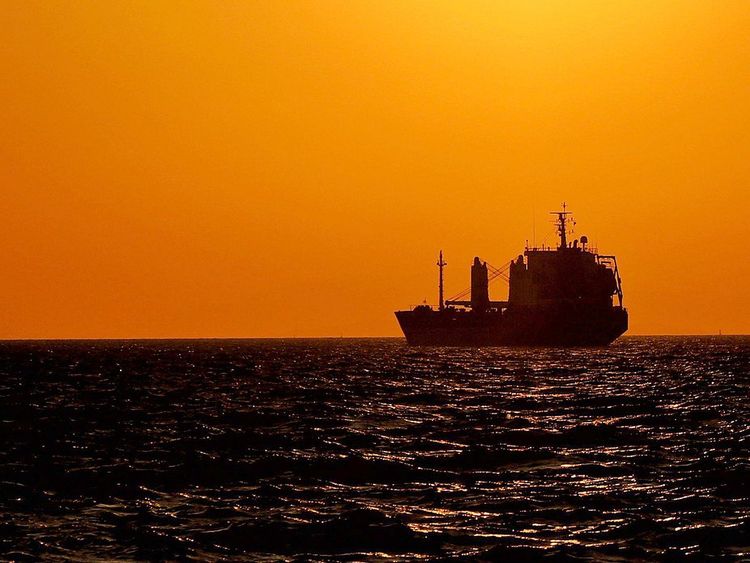
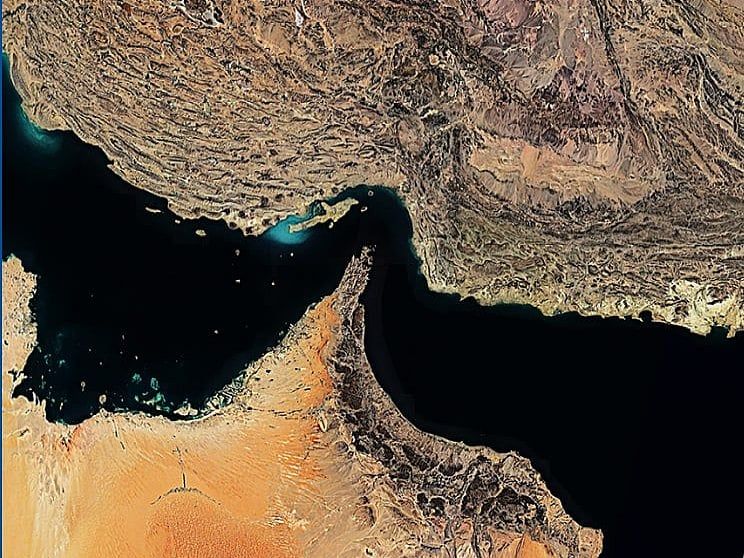
The Indian Embassy in Tehran confirmed the safety of all 28 Indian nationals aboard the Mozambique-flagged LPG tanker DISHA after it came under missile attack near the eastern entrance to the Strait of Hormuz on July 24, amid escalating US-Iran tensions.
All 28 Indian crew members safe after missile attack on LPG tanker near Strait of Hormuz
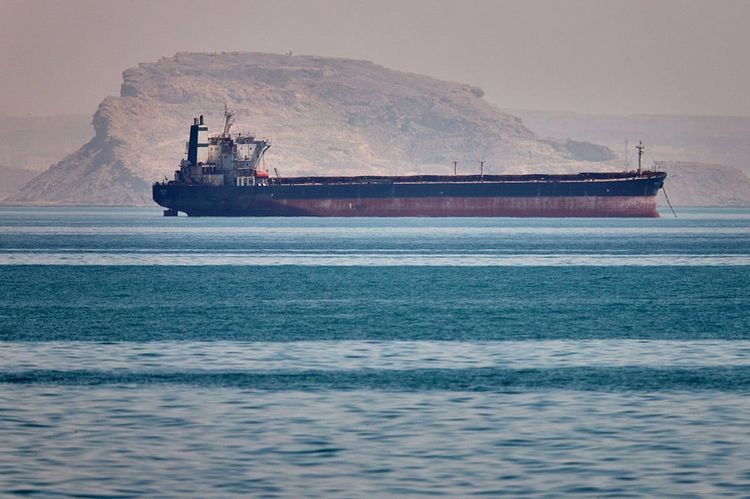
The Embassy of India in Tehran has confirmed that all 28 Indian crew members aboard the Mozambique-flagged LPG tanker DISHA (IMO No. 8818219) are safe following a missile attack near the Strait of Hormuz on July 24.
The vessel reported coming under attack by unknown missiles and issued a distress call near the eastern entrance to the Strait of Hormuz, one of the world's most strategic maritime chokepoints. In a statement issued on July 24, the embassy said it had been in close contact with relevant authorities to confirm the safety of the Indian nationals onboard.
"The Embassy continues to monitor the situation closely and remains in touch with the concerned authorities," the statement said.
The attack occurred just one day after External Affairs Minister S. Jaishankar condemned attacks on seafarers and commercial shipping at the 21st East Asia Summit in the Philippines. Jaishankar stated that attacks on civilian ships are unacceptable and that international sea routes must remain safe and open.
Escalating regional conflict threatens maritime security
The incident comes as the US-Iran conflict, which began on February 28, 2026, continues to intensify. The United States launched strikes on more than 80 targets in Iran on July 7 in retaliation for Iranian attacks on commercial ships near the Strait of Hormuz. By July 17, the US military had completed its seventh consecutive night of strikes, targeting Iranian air defense systems, command networks, and coastal facilities.
India is the world's third-largest supplier of seafarers, with more than 300,000 sailors working across global shipping fleets, representing approximately 12 percent of the global seafarer workforce. This makes Indian nationals particularly vulnerable to maritime incidents in conflict zones.
In mid-July, India ordered shipowners and operators not to deploy Indian seafarers on vessels traveling through the Strait of Hormuz amid renewed hostilities in the region. The attack on DISHA occurred despite these precautionary measures.
Indian seafarers have been disproportionately affected by shipping attacks during the US-Iran conflict, comprising 7 of 16 total deaths in Strait of Hormuz incidents. Over 180 Indian seafarers have been rescued after their ships were attacked in the Strait of Hormuz, Gulf of Oman and Persian Gulf.
Recent deadly attacks on Indian seafarers
The DISHA incident follows two other recent maritime attacks involving Indian nationals. On July 18, the MV OMORFI was attacked while transiting through the Black Sea, reportedly in Russian territorial waters. One Indian crew member was killed in the attack, while two other Indian nationals onboard were safe. At the time, the vessel had 10 crew members total, including three Indian nationals.
The Ministry of External Affairs condemned the attack, calling it a serious threat to maritime safety and international commerce. The Indian mission in Russia contacted relevant authorities and provided assistance to the affected family.
In an even deadlier incident on July 19, the Guinea-Bissau-flagged cargo vessel MV Golden Leo was struck by three cruise missiles while carrying approximately 22,000 tons of wheat. Four Indian crew members were killed and one was critically injured, with a total death toll of 10 crew members. This marked the first instance of Indian seafarer deaths in the Russia-Ukraine conflict.
India summoned the Russian Charge d'Affaires on July 21 to lodge a strong protest over the MV Golden Leo attack, conveying grave concerns that such attacks undermine the safety and stability of international maritime commerce.
The Ministry of External Affairs has urged all parties to uphold international obligations to ensure the safety of commercial shipping and protect civilian crew members amid growing threats to maritime navigation in multiple conflict zones.