Saudi-led coalition launches strikes on Houthi sites after Red Sea shipping attacks
Coalition forces targeted Houthi military installations following attacks on commercial vessels in the Red Sea, marking the first reported exchange of fire in years and threatening a fragile truce that has held since 2022.
Saudi-led coalition launches strikes on Houthi sites after Red Sea shipping attacks
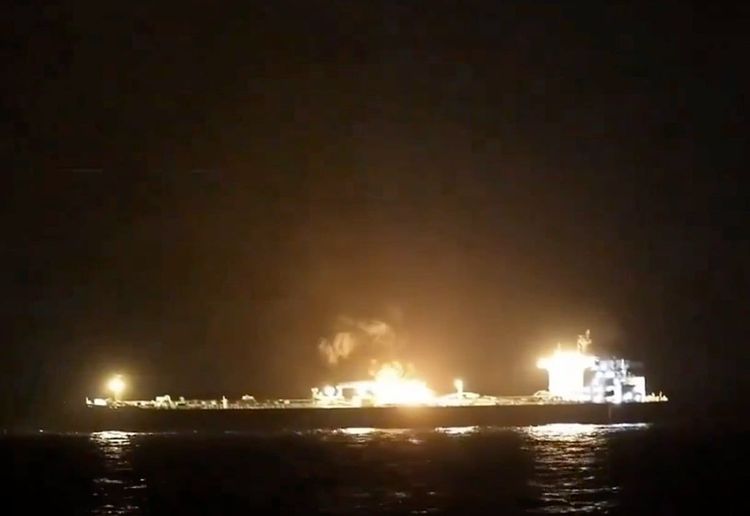
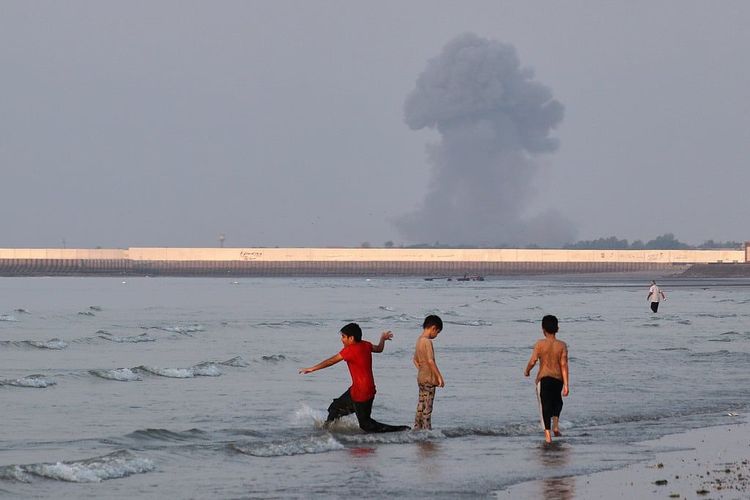
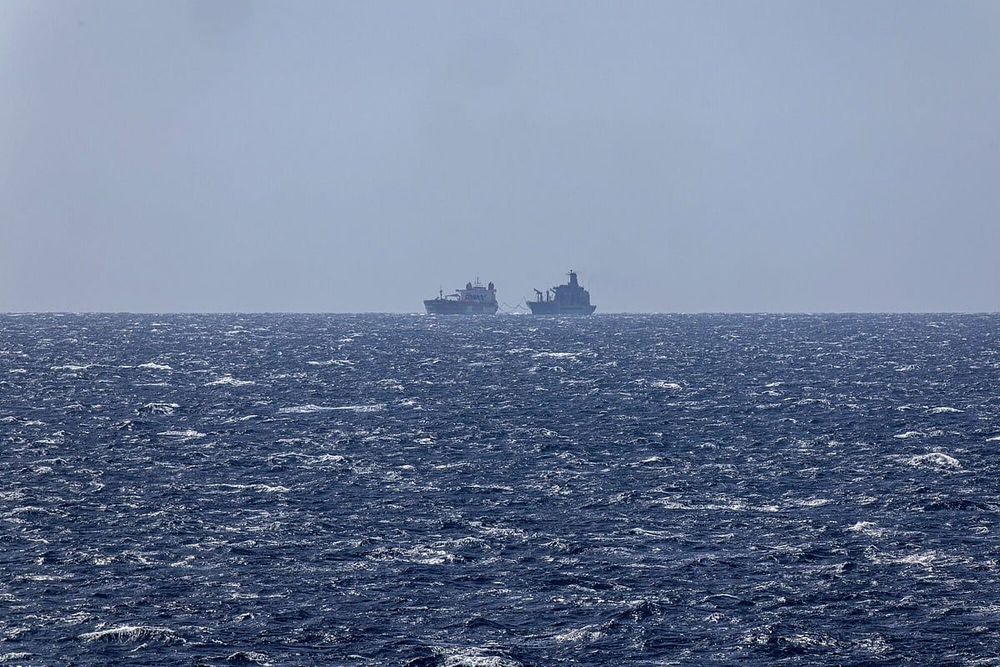
The Saudi-led coalition launched strikes on Houthi military targets in Yemen on July 25, 2026, responding to what officials described as reckless attacks on commercial shipping in the Red Sea. The military action represents the first reported exchange of fire between coalition forces and the Houthis in years, threatening a fragile truce that has largely held since 2022 despite formally expiring.
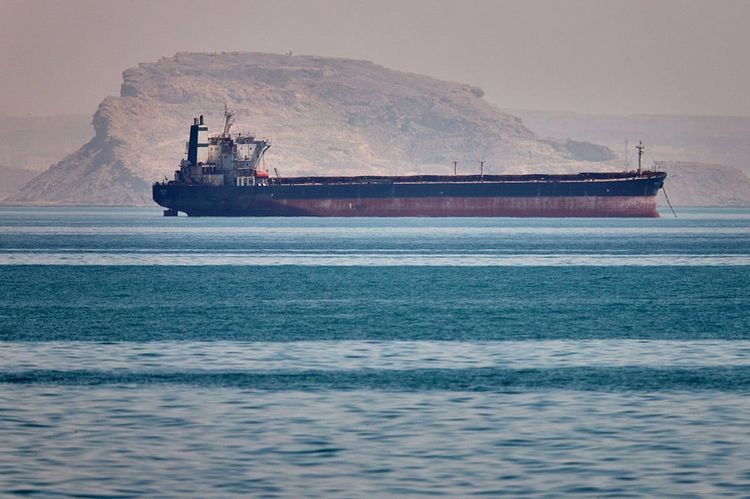
Major General Turki Al-Malki, spokesperson for the Coalition to Restore Legitimacy in Yemen, said the Houthi militia carried out attacks on commercial vessels in a critical global shipping corridor. The Red Sea route handles 12-15% of international maritime trade and nearly 30% of global container traffic, passing through the Bab al-Mandeb Strait—the third busiest oil chokepoint globally, which carries about one-tenth of seaborne oil trade at its narrowest point of 18 miles.
The escalation follows a July 20 announcement by the Houthis that they would impose a maritime blockade on Saudi Arabia, putting at risk the flow of millions of barrels that the kingdom exports via the Red Sea. Three weeks earlier, on July 4, the coalition had pledged to respond with unprecedented determination and force to any attempt to target the kingdom or violate Yemeni sovereignty.
Al-Malki emphasized that the coalition's military response was measured and targeted only legitimate military sites used by the Houthis to threaten Red Sea shipping, and that operations complied with international humanitarian law. He reaffirmed the Kingdom's continued support for Yemen's people and government against the Houthis, describing the attacks as part of a broader pattern of maritime crimes.
Ports remain operational
Al-Malki clarified that Hodeidah Port—one of Yemen's chief ports with modern facilities handling imports and exports including foodstuffs, machinery, metal goods, consumer goods, coffee, cotton, hides, and skins—was not struck in the operation. He confirmed that Yemeni ports, including Hodeidah, Ras Isa, and Salif remain open and operational for commercial shipping of food, goods, fuel, and construction materials.
More than 300 commercial ships entered the Houthi-controlled ports of Hodeidah, Salif and Ras Isa during the first half of 2026, according to coalition sources. Hodeidah Port has been a key point of contention in the Yemeni Civil War because Houthi control of it provided them with access to imports and revenue via cargo taxation.
Air traffic to and from Yemeni airports continues as normal, Al-Malki said, though he noted the Houthis are still blocking flights to Sana'a International Airport, which he described as a siege against the Yemeni people.
Strategic implications
The coalition's Joint Forces Command will keep taking the operational steps needed to protect the Kingdom's interests and vessels, Al-Malki added, warning of a firm response should Houthi hostilities continue. Any prolonged disruption to Red Sea shipping could force vessels to reroute around the Cape of Good Hope, adding approximately 10 or more days of traveling time and an extra 3,500 nautical miles to voyages between Asia and Europe.
The strikes come as the Saudi-led coalition has been navigating a complex security landscape in Yemen throughout 2026, including earlier involvement in southern Yemen during the recapture of Aden in January.