Houthis considering transit fees for Red Sea shipping passage
Yemen's Houthi movement is discussing charging commercial vessels to pass through the Bab al-Mandab Strait, potentially establishing a fee authority with Iranian assistance while exempting Chinese-linked ships.
Houthis considering transit fees for Red Sea shipping passage
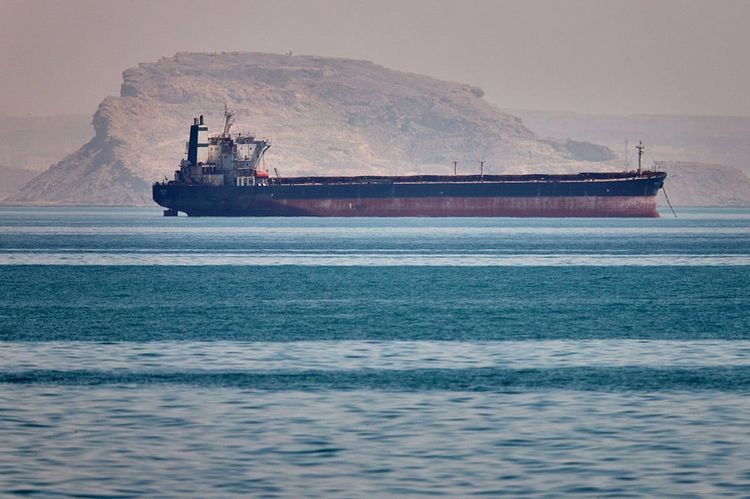
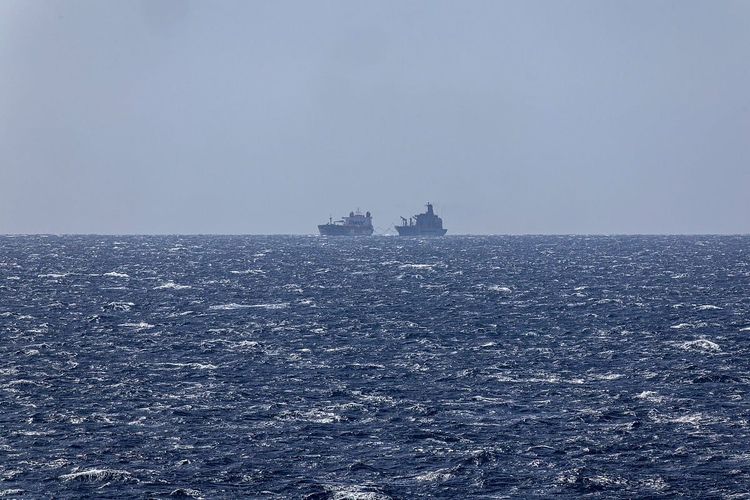
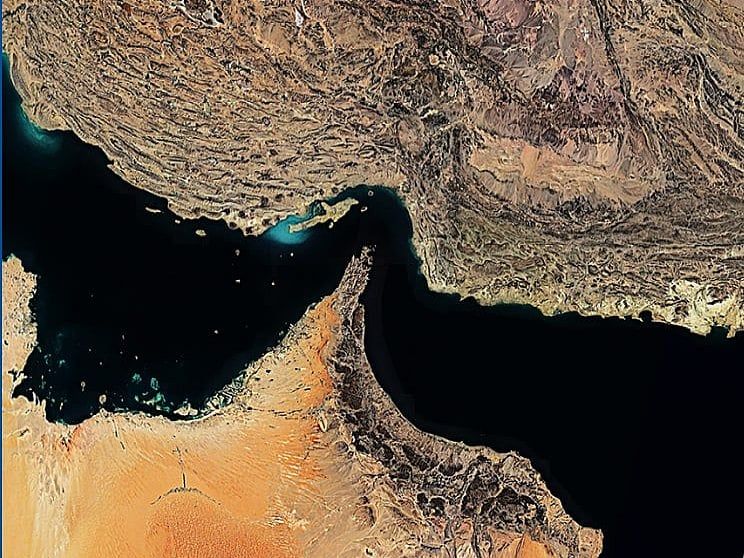
Yemen's Iran-backed Houthi movement is discussing a plan to charge commercial vessels transit fees for passage through the Bab al-Mandab Strait, a critical maritime chokepoint connecting the Red Sea with the Gulf of Aden and the Suez Canal.
The proposal remains under discussion and has not been formally implemented, according to sources familiar with the matter.
Proposed fee structure
The Houthis are considering establishing a regulatory authority to administer the fees, reportedly with assistance from Iranian advisers. The group is also exploring potential exemptions for Chinese-flagged or China-linked vessels following diplomatic contacts between Beijing and the Houthis.
The strait is divided into two channels by Perim Island, with the western channel at 16 miles wide used for international commercial shipping and the narrower eastern channel at 2 miles wide used only by local vessels.
Strategic importance of the waterway
The Bab al-Mandab Strait ranks among the world's busiest shipping lanes. According to UNCTAD's 2024 maritime transport review, approximately 8.7% of total global maritime trade passed through the strait in 2023. The waterway also handles a significant share of oil and liquefied natural gas shipments bound for Europe, Asia, and Africa.
Oil flows through the strait have already declined sharply due to regional disruptions. According to the U.S. Energy Information Administration, daily oil transits fell from approximately 8.7 million barrels in 2023 to nearly 4 million barrels by August 2024.
Context of ongoing disruptions
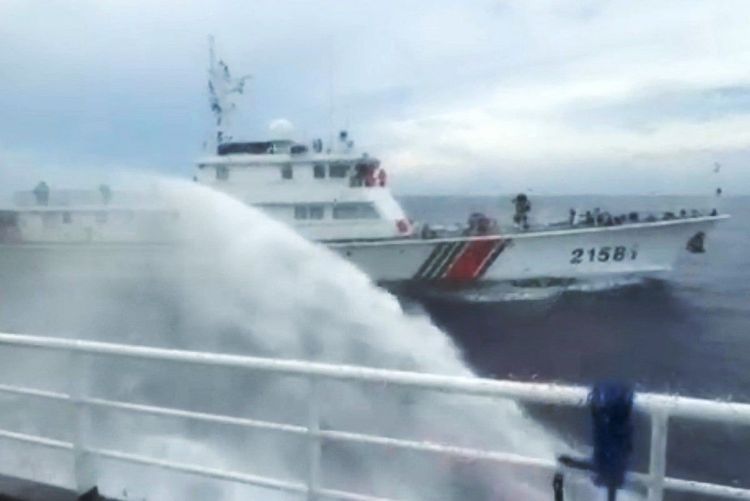
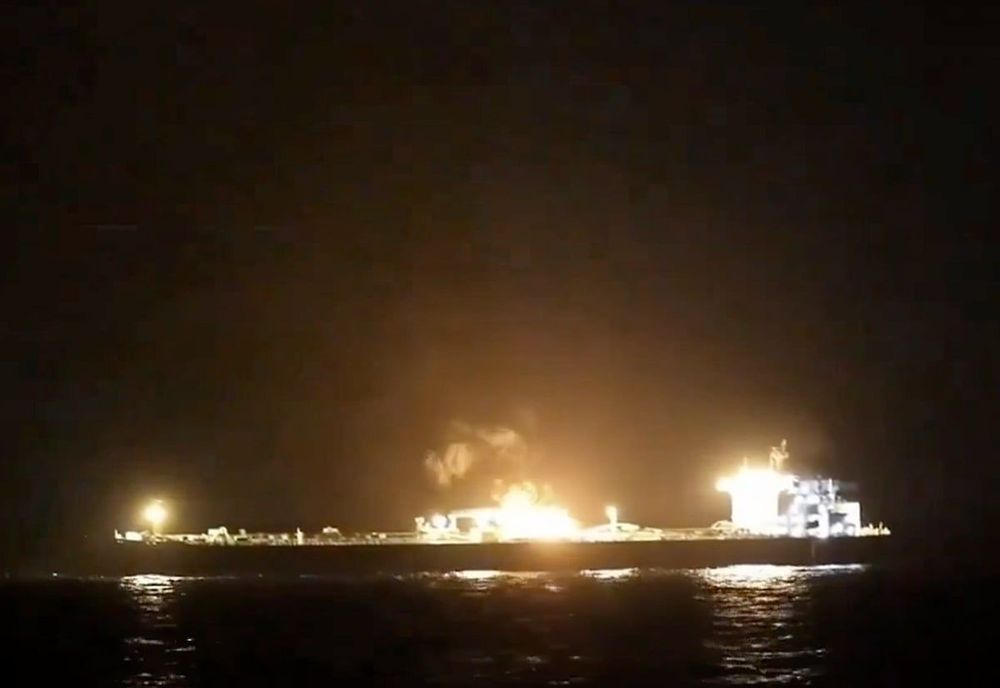
The transit fee proposal comes after sustained instability in the Red Sea region. Attacks on Red Sea shipping began in November 2023, with over 190 attacks documented by October 2024, according to House of Commons Library specialists. These incidents prompted many major shipping companies to avoid the Red Sea altogether.
Container ship transits through the Suez Canal plummeted by 90% between December 2023 and March 2024, according to World Bank analysis, with traffic remaining down over 50% year-over-year through late 2024.
On July 20, the Houthis declared a maritime blockade targeting Saudi Arabia, describing it as retaliation for what the group called a Saudi blockade of Yemen and recent Saudi-linked military action. Houthi military spokesman Yahya Saree framed the move as an
eye-for-an-eyeresponse. Within days of the announcement, ship-tracking data showed multiple vessels reversing course or avoiding the southern Red Sea.
Economic impact on shipping
Any additional costs, restrictions, or security risks in the strait could raise shipping insurance premiums, increase freight rates, and delay deliveries across three continents.
War risk insurance premiums for voyages through the southern Red Sea rose from around 0.3% of vessel value in mid-July 2026 to over 1% by July 23, with some Saudi-linked vessels facing rates as high as 3%. Hull and machinery insurance premiums have increased industry-wide by 15-25% due to the Red Sea crisis, according to maritime insurance brokers.
The prospect of transit fees could push more vessels to reroute around the Cape of Good Hope, adding 10 to 14 days to typical Asia-Europe transit times and requiring an additional 3,500 nautical miles compared to the Suez Canal route. The Cape of Good Hope reroute represents an estimated $7-9 billion in excess shipping costs across the global container fleet for 2025-2026, absorbed partly by carriers and passed on to consumers.
Iranian backing
Iran's support for the Houthis includes advanced weapons systems, military advisers, and training. The relationship dates back to around 2009 and became more overt after the Houthis captured Sanaa in 2014.
The declaration does not necessarily mean the Bab al-Mandab has been physically closed, but shipping companies have little incentive to wait for a blockade to become absolute before changing course. The combination of security threats, rising insurance costs, and potential transit fees could fundamentally reshape commercial shipping patterns through one of the world's most strategic waterways.