US military conducts 11th consecutive night of strikes against Iranian targets
American forces targeted critical infrastructure including the Bidboland gas refinery and Bushehr military airport as part of ongoing operations to counter Iranian threats to commercial shipping in the Strait of Hormuz.

US military conducts 11th consecutive night of strikes against Iranian targets
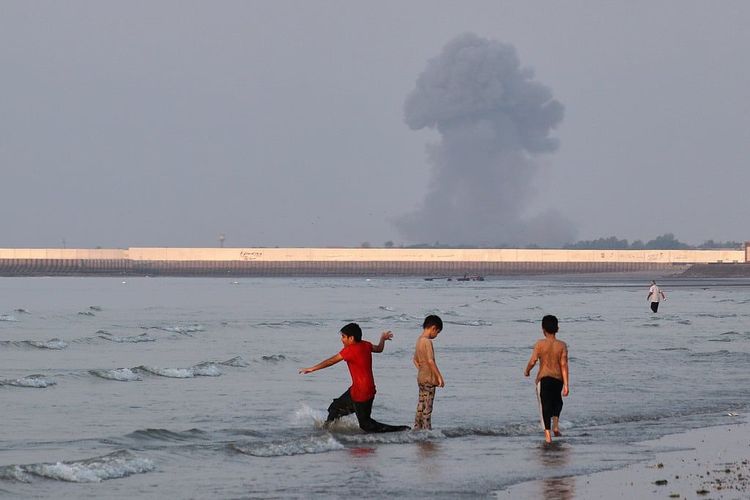
US Central Command confirmed airstrikes against multiple Iranian military and industrial targets for the 11th consecutive night, targeting facilities across the country including the strategically important Bidboland Gas Refinery and the military section of Bushehr Airport.
The strikes hit locations in Bushehr, Parchin, Behbahan, Mahshahr, Bandar Abbas, Chabahar, Urmia, west of Tabriz, Baneh, Sirik and Tehran, according to Iranian media reports. Air defence systems were activated across the Iranian capital, with state broadcaster IRIB reporting activity in the west, east and northeast of Tehran.
Critical energy infrastructure targeted
Among the targets was the Bidboland Gas Refinery in Mahshahr, Khuzestan Province, which processes 56 million cubic meters of gas daily and produces 10.4 million tons of methane and 1.5 million tons of ethane annually. The facility represents a cornerstone of Iran's natural gas processing capabilities in the Persian Gulf region.
US Central Command also confirmed striking the military section of Bushehr Airport, a joint civil-military facility operated by Iran Airports Company and the Iran Air Force, located approximately 750 kilometers south of Tehran.
Countering maritime threats
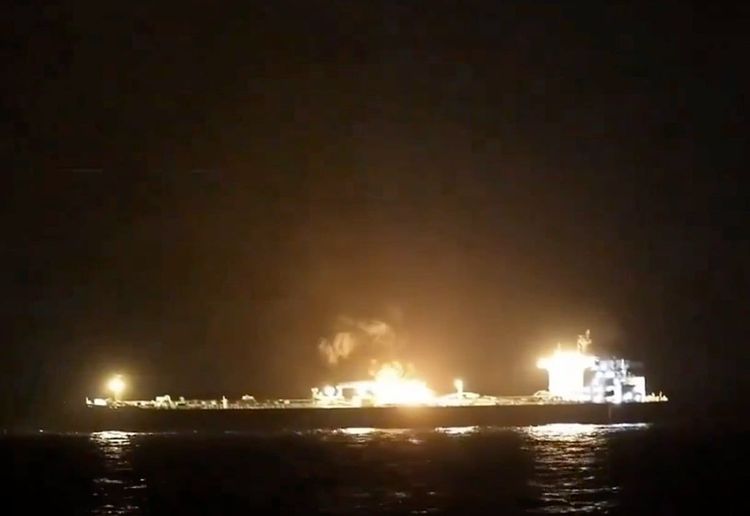
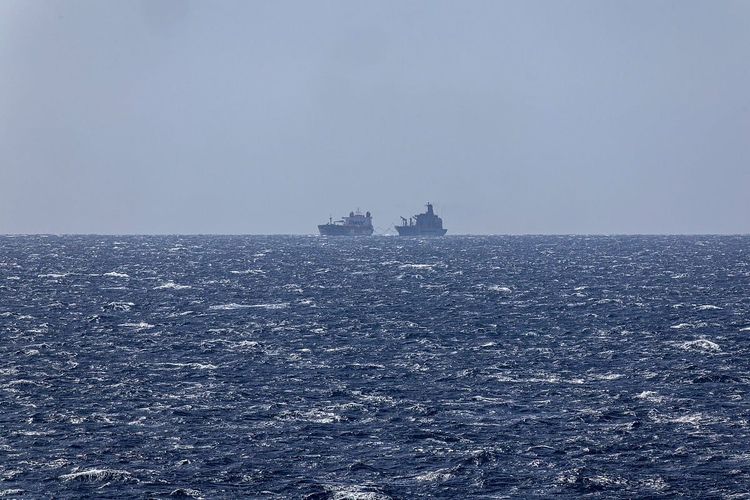
In a statement posted on social media, Central Command said its forces targeted Iranian military operations centres, maritime capabilities, aircraft hangars, drone storage facilities and military logistics infrastructure to degrade Iran's ability to threaten commercial shipping in the Strait of Hormuz.
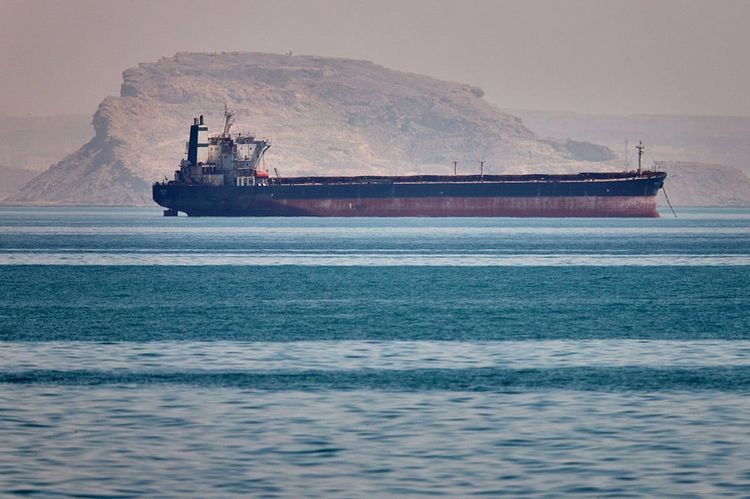
The waterway carries approximately 20 million barrels of oil per day, representing roughly 25% of global seaborne oil trade and 20% of total world oil consumption. The strait's importance extends beyond crude oil, with about 93% of Qatar's liquefied natural gas exports and 96% of the UAE's LNG shipments passing through the narrow channel, accounting for nearly a fifth of global LNG trade.
At its narrowest point, the Strait of Hormuz spans just 21 miles, with two shipping lanes each approximately two miles wide separated by a two-mile buffer zone. Only Saudi Arabia and the UAE maintain operating crude oil pipelines capable of bypassing the strait, with combined capacity of 3.5 to 5.5 million barrels per day.
Regional and global impact
China receives approximately 37.7% of crude oil and condensate flows transiting the strait, making it the largest destination country, followed by India at 14.7% and South Korea at 12.0%. The disruption of this critical shipping route would have immediate consequences for Asian energy markets.
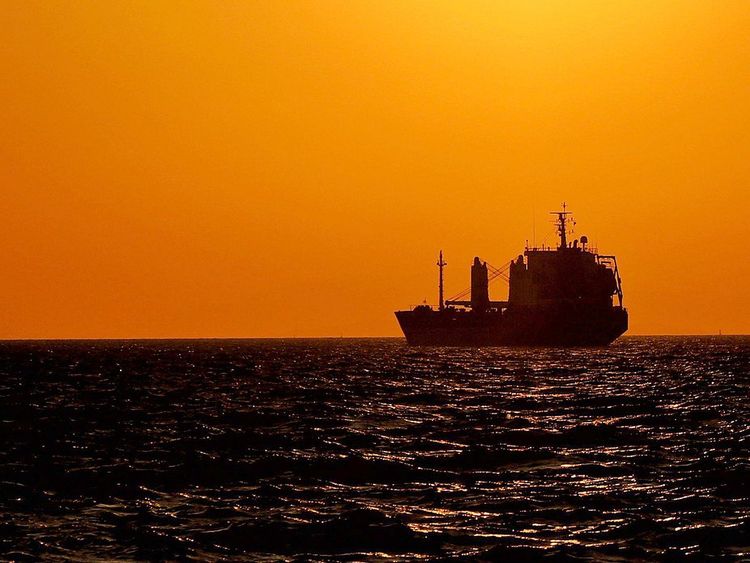
Central Command stated that over the past three months, Iran has attacked more than 30 commercial vessels transiting the international waterway, endangering hundreds of mariners and undermining freedom of navigation. Despite these threats, CentCom said the Strait of Hormuz remains open for commercial vessel transit.
Since early May, Central Command forces have facilitated the transit of approximately 900 commercial vessels carrying 450 million barrels of crude oil through the region.
Air defence activity in Tehran
Residents reported air defence activity in northeastern Tehran, according to Fars, a semi-official news agency with close ties to the Islamic Revolutionary Guard Corps. The Guard's media operations also acknowledged air defence guns firing in the capital. The Sohanak district, located in Tehran's northeast near military and command facilities in the hills above the city, was among the areas where activity was reported.
Military analysts suggest the widespread activation of air defences without confirmed impacts may indicate reconnaissance operations designed to reveal the positions of Iranian radar and anti-aircraft systems. Such tactics are commonly employed to prepare for potential future strikes against defended airspace.
At 8:15 pm Eastern Time on July 21 (4:15 am Gulf time on July 22), Central Command announced it had successfully completed the 11th consecutive evening of strikes against Iran. Washington has previously indicated that restraint regarding Tehran-area targets could change if full-scale Iranian operations resume.