US-Iran conflict intensifies as Kuwait intercepts drones and Houthis strike Saudi tankers
Fighting spreads across the Gulf as US launches fresh strikes on Iranian targets, Kuwait's air defences engage hostile drones, and Houthi rebels claim attacks on Saudi oil tankers in the Red Sea.
US-Iran conflict intensifies as Kuwait intercepts drones and Houthis strike Saudi tankers
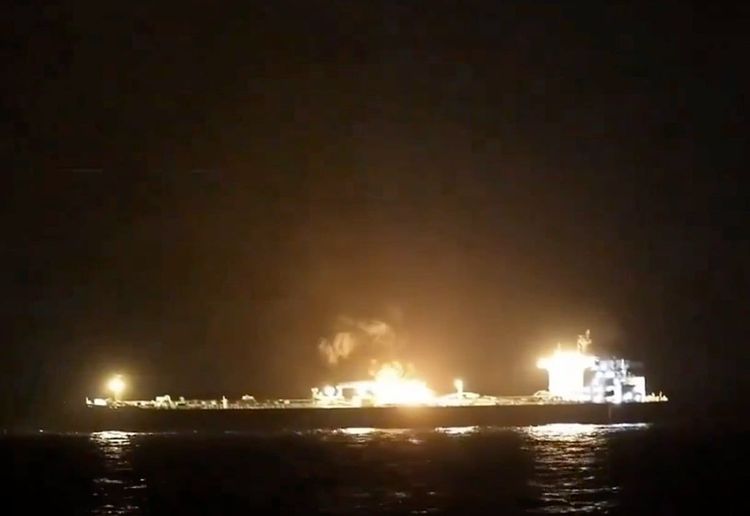
The conflict between the United States and Iran escalated sharply early Thursday as US Central Command launched a fresh wave of airstrikes on Iranian military installations in Ramshir, Ahvaz and Bushehr province. The fighting is now spreading across the Gulf region, with Kuwait reporting that its air defence systems intercepted hostile drones following what it described as an Iranian attack, while Yemen's Houthi rebels claimed missile and drone strikes on two Saudi oil tankers in the Red Sea.
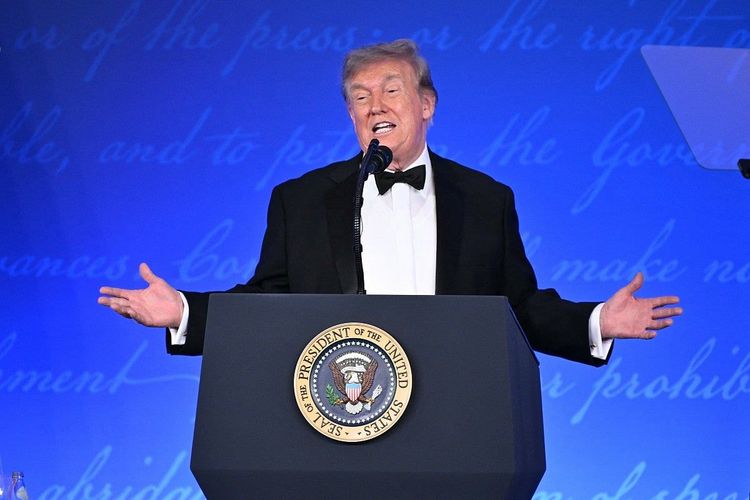
Iranian Foreign Minister Abbas Araghchi issued a stark warning Thursday, vowing an "eye for an eye" response to any attack on Iranian infrastructure. His statement came after President Donald Trump threatened to bomb an Iranian bridge or power plant for every ship targeted in the Strait of Hormuz, the strategic waterway through which approximately 25 percent of global seaborne oil trade passes. Nearly 15 million barrels per day of crude oil—representing 34 percent of global crude oil trade—transit the strait, along with about 20 percent of global liquefied natural gas trade.
Kuwait responds to drone attack
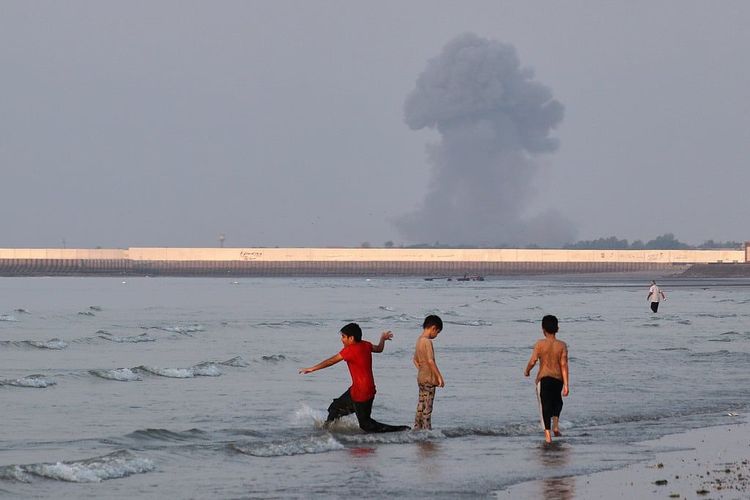
Kuwait's General Staff announced Thursday that its air defence systems were "confronting attacks by hostile drones" and urged residents to remain calm and follow official safety instructions. The military said any explosions heard by the public were the result of interception operations. Kuwait has deployed advanced Patriot PAC-2 and PAC-3 missile systems, which have successfully intercepted Iranian ballistic missiles in the past. However, these systems are expensive and less effective against drones, prompting Kuwait to request $1.98 billion in counter-drone systems in June 2026.
Kuwaiti authorities did not immediately provide details on the number of drones intercepted or whether any damage or casualties had been reported. Iran has not commented on the allegation.
Houthis claim tanker strikes
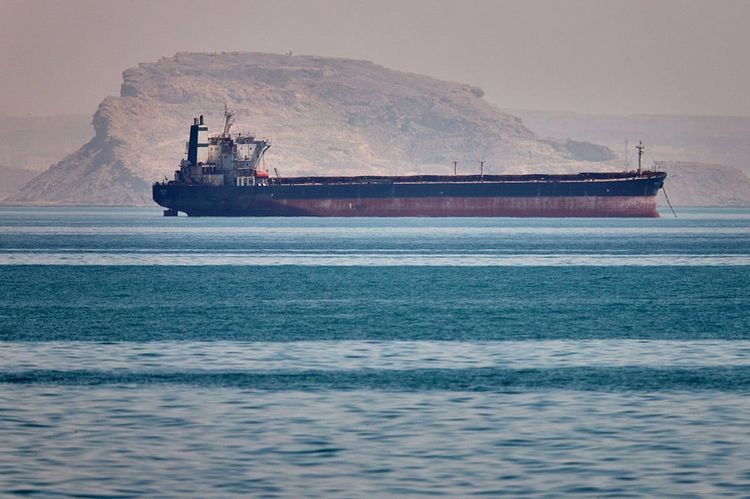
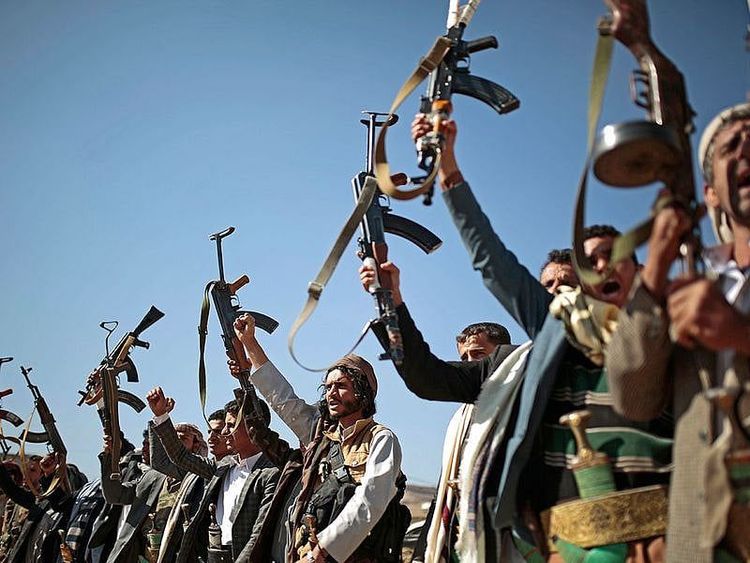
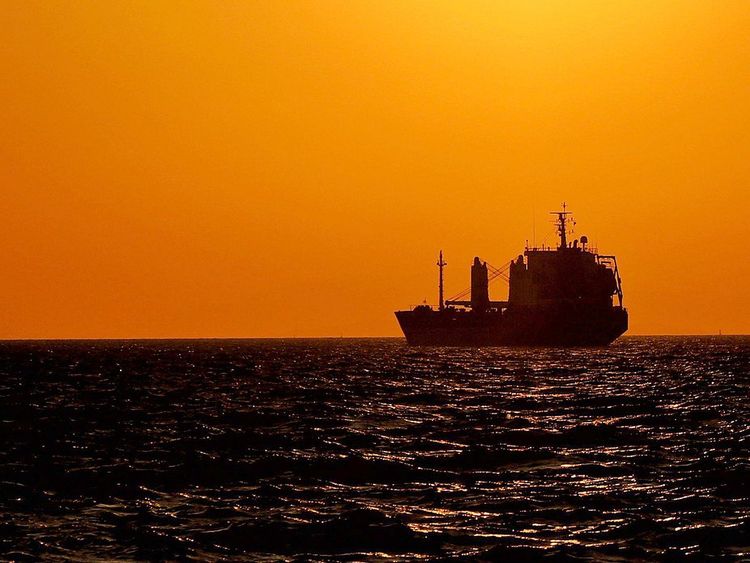
Yemen's Houthi rebels said they carried out missile and drone strikes Wednesday on two Saudi oil tankers in the Red Sea after declaring a maritime embargo on the kingdom. The group identified the targeted vessels as the Encelia and the Layla. The Houthis have previously attacked commercial shipping in the region, sinking two vessels in the southern Red Sea in July 2025 and killing four seafarers. In August 2025, they targeted an Israeli-associated vessel off Yanbu, Saudi Arabia, marking the furthest north the group had struck commercial vessels since launching their Red Sea campaign.
US intensifies strikes
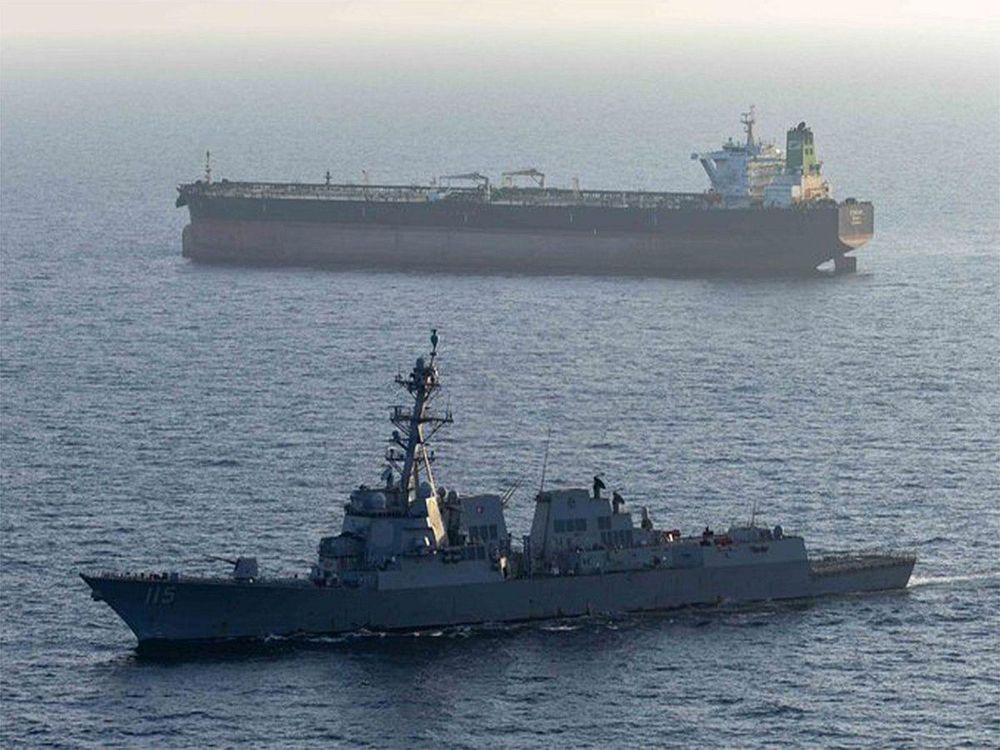
US Central Command said strikes against Iranian military targets began at 5:30 pm Eastern Time Wednesday and would continue "to further degrade Iran's ability to threaten civilian mariners and commercial vessels transiting regional waters." Iran's state media reported that the cities of Ramshir and Ahvaz were under "missile attack by the US terrorist enemy," while authorities in Bushehr province confirmed an attack by US missiles.
The overnight operation marked the 12th consecutive night of US strikes since fighting resumed. CentCom has targeted Iranian command centres, air defences, missile and drone sites, coastal facilities and communications networks in its ongoing campaign.
In a separate development Thursday, a US Air Force E-3B Sentry airborne warning and control aircraft declared a general in-flight emergency while operating over Saudi Arabia, according to flight tracking data. The aircraft, one of only 16 remaining in the US fleet with an average age of 45 years, began squawking the international emergency transponder code 7700 shortly before 1:30 am UTC. The E-3 Sentry's radar can detect and track aircraft, missiles and ships up to 250 miles away, and the aircraft played a critical role in the 1991 Persian Gulf War, where it controlled more than 30,000 air strike sorties. The US Air Force deployed six of its 16 E-3 aircraft to the Middle East in February 2026, representing nearly 40 percent of the total fleet.
Iran vows retaliation
Foreign Minister Araghchi warned Thursday that "any aggression against Iran, including our infrastructure, will compel a powerful and decisive response." He added that "those who contribute to such aggression, whatever the kind of support, will also be considered as legitimate targets."
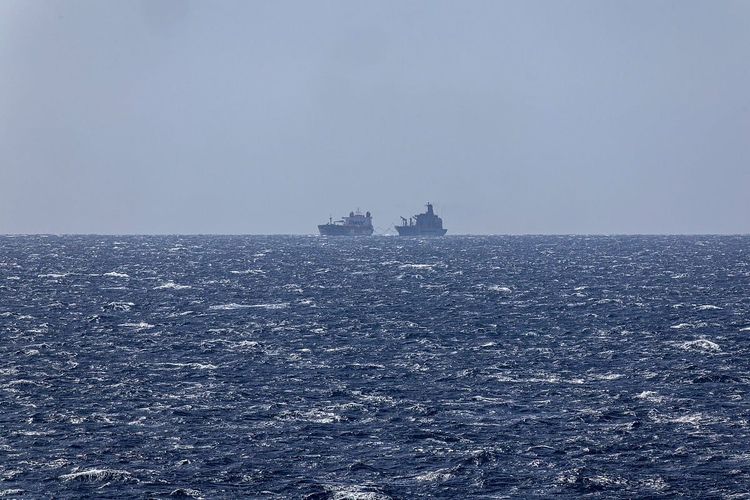
US Central Command rejected Iran's claim that its Islamic Revolutionary Guard Corps controls access to the Strait of Hormuz, calling the assertion "false." CentCom said commercial vessels continue to transit the strait despite IRGC threats and attacks, noting that US forces have assisted more than 900 commercial ships through the waterway since early May. The strait's closure would primarily affect Asian markets, with China, India, Japan and South Korea collectively receiving approximately 69 percent of all crude oil flows through the waterway, and China alone accounting for about 37.7 percent of oil exports transiting the strait.
Trump approves Saudi nuclear deal
President Trump approved a landmark civilian nuclear cooperation agreement with Saudi Arabia on Wednesday, clearing the way for US companies to help develop the kingdom's civilian nuclear energy programme. The US Department of Energy announced that the two countries had signed a so-called "123 Agreement," a legal framework required under the US Atomic Energy Act for civilian nuclear cooperation.
The 30-year accord will allow American companies to supply nuclear technology, equipment and expertise for Saudi Arabia's planned civilian reactor programme. Under Section 123 of the Atomic Energy Act, the agreement must undergo Congressional review for two periods totalling 90 days of continuous session, during which lawmakers could block the deal if both the House and Senate pass disapproval resolutions. The 2009 US-UAE nuclear cooperation agreement established a "Gold Standard" that provided the United States the right to terminate cooperation if the UAE possesses sensitive nuclear facilities or engages in uranium enrichment or reprocessing activities.
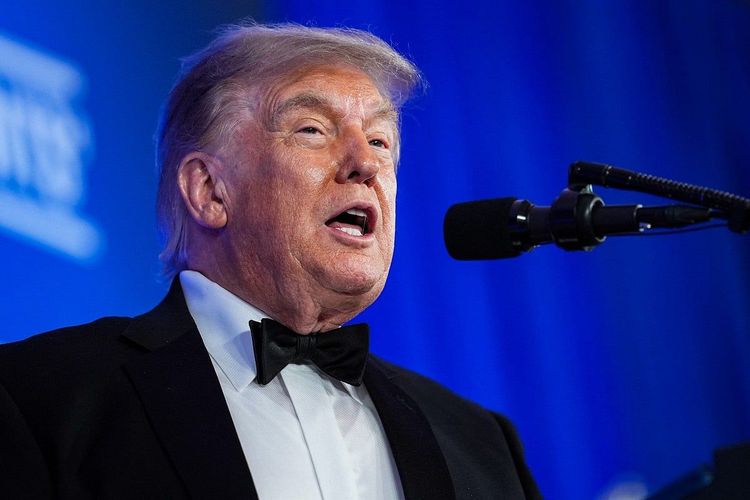
Speaking at a high school in Georgia, Trump addressed the escalating confrontation with Iran. "We don't need the Strait of Hormuz," he said, "but we're doing this because we have to, because we cannot allow Iran to have nuclear weapons. That's how we're also winning in the Islamic Republic of Iran, and ensuring that never, but never, will they have the power to do to us what they did to so many. They killed more than 52,000 protesters."