US-Iran conflict: What UAE residents need to know as Gulf tensions escalate
The US-Iran war has entered a dangerous new phase with 12 consecutive nights of strikes, heightened Gulf security concerns and disrupted air travel affecting UAE residents and regional stability.
Flight disruptions and airline suspensions
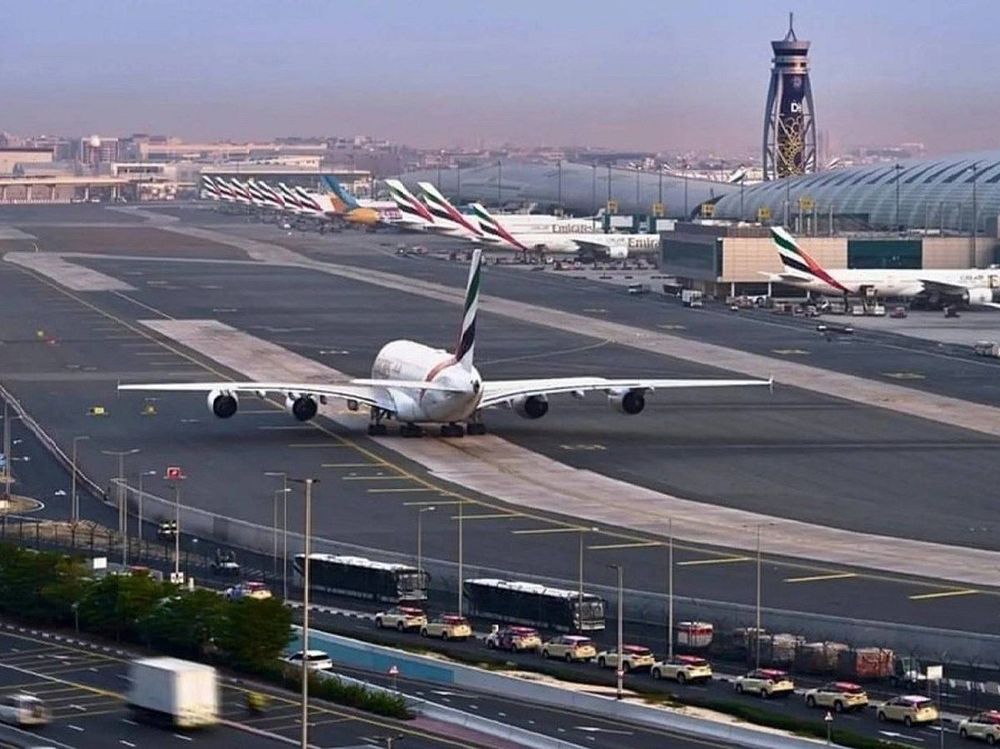
Airspace and airports across the UAE remain operational, although travellers should monitor airline advisories as regional flight paths continue to change. Commercial shipping through Gulf waters continues under heightened security measures.
Several international airlines have extended suspensions or reduced services to the UAE and nearby Middle East destinations due to ongoing security concerns. Many carriers have extended cancellations through late October, while a few have begun restoring services.
Flights suspended until late October include Air Canada, British Airways, Cathay Pacific, Finnair, ITA Airways, Singapore Airlines, and Philippine Airlines on the Dubai route until October 2. Airlines maintaining suspensions through August or September include Aegean Airlines and Air Astana until August 31, KLM until August 23, and Lufthansa Group on Dubai flights until September 13 with several regional destinations suspended until October 24. Scoot has suspended Jeddah services until August 8.
Air France plans to resume Dubai flights on July 27, while Turkish Airlines has resumed services to Dubai, Abu Dhabi, Beirut, Damascus and Amman, though Iran flights remain suspended. Philippine Airlines has resumed Manila–Doha flights. British Airways is reducing frequencies to Doha and Riyadh and has permanently ended its Jeddah route.
Most affected airlines are offering refunds, free rebooking, rerouting or travel credits for cancelled flights. Travellers are advised to check directly with their airline before heading to the airport, as schedules remain subject to change.
US military operations continue
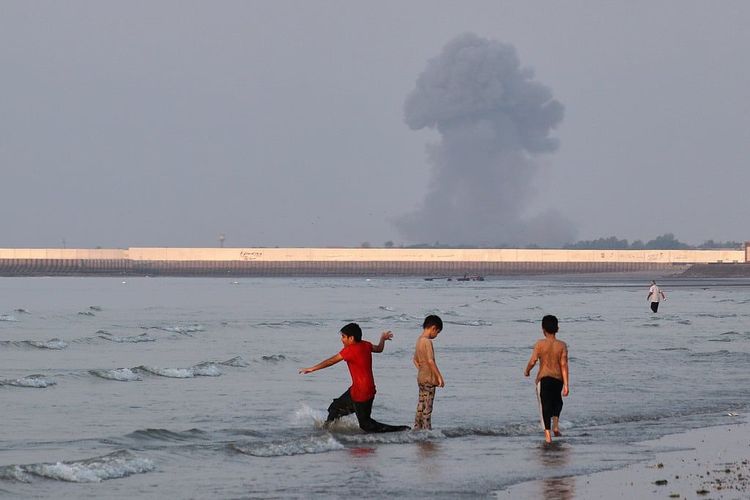
The US military has carried out 12 consecutive nights of strikes on Iranian military targets, according to US Central Command. Iranian state media reported missile strikes in the southwestern cities of Ramshir and Ahvaz, while officials also reported an attack in Bushehr province along the Gulf coast.
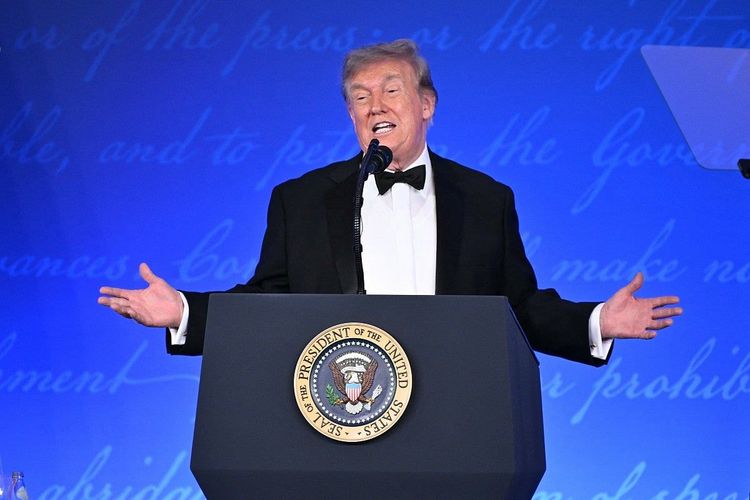
Washington says the campaign aims to degrade Iran's missile, drone and military capabilities after a series of attacks on US forces and commercial shipping. President Donald Trump escalated his warnings, stating that the United States would strike an Iranian bridge or power plant for every commercial vessel attacked in the Strait of Hormuz.
Iranian Foreign Minister Abbas Araghchi responded swiftly, saying Tehran's doctrine remains "eye for an eye" and warning that any attack on Iranian infrastructure would trigger a "powerful and decisive response." The exchange has heightened fears of further escalation around the Gulf.
Regional security incidents
Kuwait's military reported that its air defence systems intercepted hostile drones overnight after several days of Iranian attacks. Authorities warned residents that explosions heard across the country were caused by air defence interceptors engaging incoming aerial threats. The incidents underscore how the conflict is increasingly affecting Gulf neighbours.
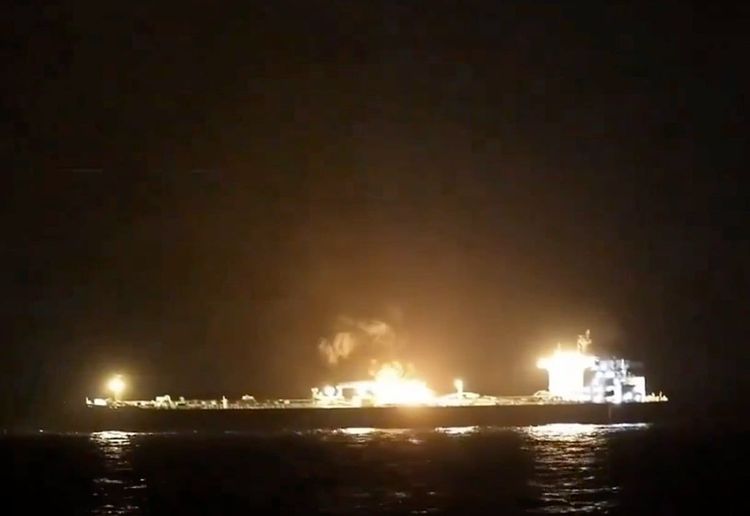
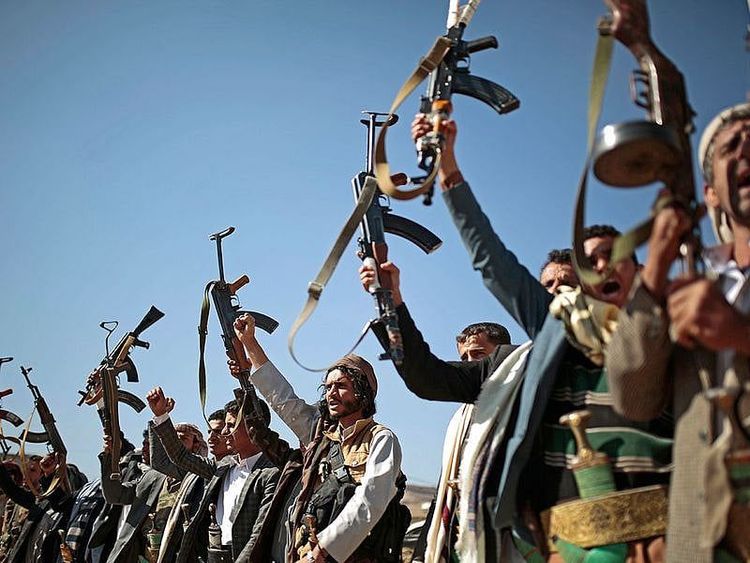
Iran-backed Houthi rebels in Yemen claimed responsibility for attacks on two commercial tankers in the Red Sea after announcing a maritime blockade targeting Saudi Arabia. The UK Maritime Trade Operations said one tanker caught fire after being struck by an unidentified projectile about 70 nautical miles southwest of Al Shuqaiq.
Shipping and energy market impacts
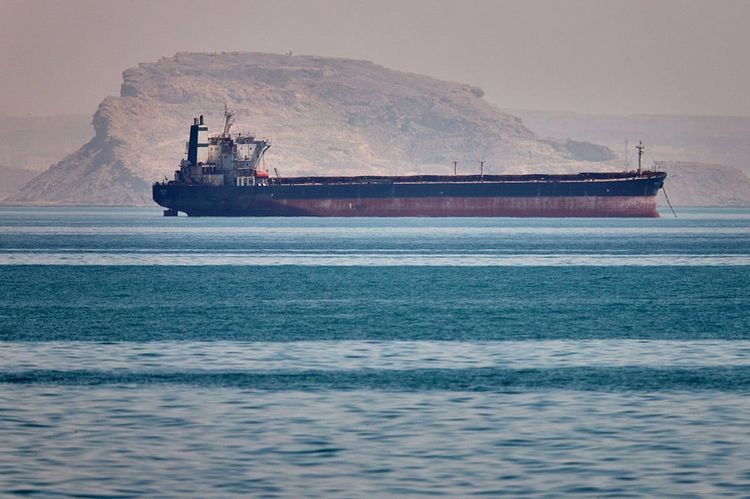
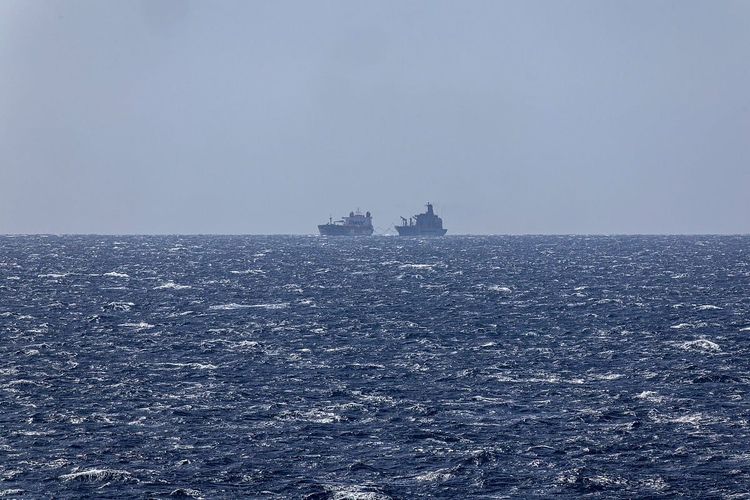
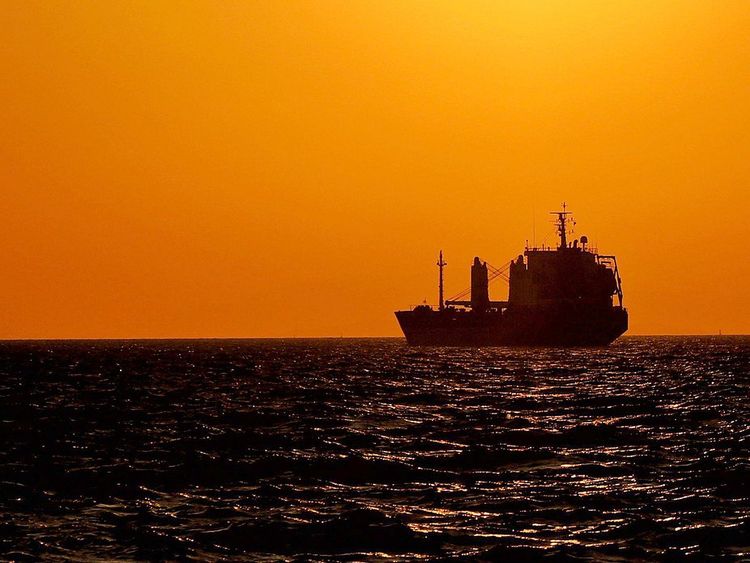
The Strait of Hormuz and the Red Sea remain among the world's most important energy corridors. Although UAE ports continue operating, shipping companies are facing higher insurance premiums, rerouted voyages and increased security risks as attacks on commercial vessels continue. The UAE remains one of the region's major logistics and energy hubs, making freedom of navigation a key concern.
Markets reacted to the heightened tensions as Brent crude briefly rose above $95 a barrel before settling at $94.07, while US benchmark West Texas Intermediate climbed to $86.83. Higher oil prices could eventually feed into increased transportation and travel costs if the conflict persists.
US-Saudi nuclear cooperation agreement
Amid the conflict, Washington announced a civilian nuclear cooperation agreement with Saudi Arabia. The US said the deal establishes the legal framework for a long-term civilian nuclear programme while including safeguards to prevent nuclear weapons proliferation. Officials described the agreement as a strategic partnership that strengthens regional energy cooperation despite ongoing instability.
What residents should know
Authorities continue to monitor developments closely as neighbouring Gulf states strengthen air defences. Residents are advised to rely on official government announcements and avoid spreading unverified information on social media.
UAE residents travelling during the summer peak should monitor airline updates and confirm their flight status before heading to the airport. The Strait of Hormuz and Red Sea shipping routes remain under heightened security, though UAE ports continue normal operations.
Daily life in the UAE continues as normal, but residents should stay informed about regional developments through official channels and verified news sources.